
Art investing is worth considering today because it offers portfolio diversification, a tangible asset, and a market that is now easier to enter. It is not a quick-profit strategy, though. Art rewards patient buyers who do their homework.
For business and finance readers, the appeal is practical. Investors want assets that behave differently from stocks and bonds. Many also want something they can see and enjoy. Art can offer both, but it comes with real costs and risks.
This guide explains why art has caught investors’ attention, how you can invest, and what to watch out for. By the end, you will know whether art fits your financial goals.
Why Art Appeals to Investors Right Now
Art appeals to investors today because it may reduce dependence on traditional markets, and new platforms have lowered the barrier to entry. Several trends explain the growing interest.
A Way to Diversify
Art offers diversification because its prices are driven by different forces than stocks or bonds. Taste, scarcity, and artist reputation matter more than quarterly earnings. As a result, art may not rise and fall in step with public markets.
Diversification has limits, however. Art still reacts to major economic shifts. When wealthy buyers feel cautious, demand can cool. Treat art as one piece of a wider strategy, not a shield against every downturn.
A Tangible Asset
Art is a physical asset you can hold, display, and insure. Some investors like this after years of watching numbers on a screen. A painting hangs on your wall, while a share is only a line in an account.
This tangible quality also brings duties. You must store, protect, and insure the work. Those tasks add cost, and you should plan for them from the start.
Easier Access Than Before
Access has improved because of online marketplaces, digital auctions, and fractional ownership platforms. Ten years ago, most buyers needed gallery contacts or auction-house experience. Today, you can browse works and compare prices from your laptop.
Better access also means more noise. Not every platform is reliable, and not every artist is a sound investment. Always check who runs the platform and how it handles ownership.
How Art Compares With Other Investments
Art differs from stocks and bonds in three key ways: it pays no income, it is hard to sell quickly, and it is difficult to value. Understanding these differences helps you set realistic expectations.
No Regular Income
Art does not pay dividends or interest. Your return comes only when you sell the work for more than you paid. This makes art a long-term play.
Meanwhile, you may pay for insurance, storage, and conservation. Those costs reduce your final return. Include them in your calculations before you buy.
Low Liquidity
Art is illiquid, meaning you cannot sell it at the click of a button. A sale can take months. You may also need to wait for the right auction or the right buyer.
For this reason, never invest money you might need soon. Use funds you can leave untouched for many years.
Hard-to-Measure Value
Art has no single market price. A work is worth what a buyer will pay on a given day. Two similar pieces can sell for very different amounts.
Value depends on several factors:
- The artist’s reputation and career stage
- The work’s condition and size
- Its provenance, or ownership history
- Current demand among collectors
Because of this, research matters more in art than in most asset classes.
The Main Risks to Weigh Before You Buy
The main risks of art investing are high transaction costs, forgery, price swings, and limited exit options. Knowing them upfront helps you avoid costly mistakes.
High Costs
Buying and selling art is expensive. Galleries, auction houses, and platforms charge commissions and fees. Shipping, framing, and insurance add more.
These costs can eat a large part of your gain. As a result, art usually needs to rise meaningfully in value before you profit. Ask for a full fee breakdown before you commit.
Fakes and Weak Provenance
Forgeries exist, and unclear ownership history can make a work hard to sell. Always ask for proof of authenticity. Request documents such as invoices, exhibition records, and certificates from reputable sources.
For expensive pieces, consider an independent expert opinion. The fee is small compared with the risk of buying a fake.
Taste-Driven Price Swings
Art trends change. An artist who is popular today may fall out of favor in ten years. Emerging artists carry the highest risk, since many never gain wide recognition.
Established artists tend to be more stable, but their works cost more. Your budget and risk tolerance should guide your choice.
Tax and Legal Rules
Tax treatment of art varies by country. Rules on capital gains, import duties, and inheritance can differ widely. Speak with a qualified tax advisor before making a significant purchase.
Ways to Invest in Art
You can invest in art by buying original works, buying shares through fractional platforms, or joining an art fund. Each route suits a different budget and level of involvement. Looking to manage potential volatility? Learn what art investing strategies lower risk in 2026?
Buying Original Works
Buying directly gives you full ownership and control. You can purchase from galleries, art fairs, auctions, or artists themselves. This route suits investors who want to enjoy the piece while it grows in value.
It also demands the most effort. You handle research, authentication, storage, and insurance. Start with modest purchases while you learn the market.
Fractional Ownership Platforms
Fractional platforms let you buy a share of an artwork instead of the whole piece. This lowers the entry cost. It also removes the need to store or insure the work yourself.
However, you give up control. You cannot choose when the platform sells, and resale of your shares may be limited. Read the terms carefully, and check fees and exit rules first.
Art Funds
Art funds pool money from many investors to buy a collection. Professional managers select the works and handle the details. This option suits investors who want exposure without becoming experts.
Funds usually charge management fees, and they often lock in your money for years. Ask how the fund values its works and how it plans to return your capital.
Prints and Editions
Limited-edition prints offer a cheaper way in. They cost less than unique works, so you can spread your money across several pieces. Still, prints are more common, and their prices rise more slowly.
How to Start Investing in Art
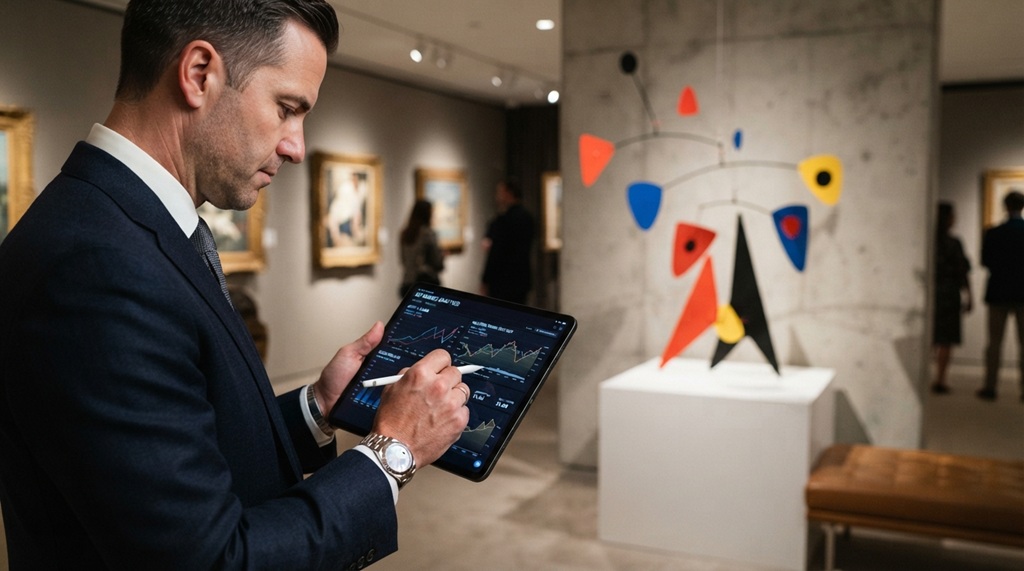
The best way to start is to set a budget, learn the market, and buy from trusted sources. A simple, careful process protects you from beginner errors.
Step 1: Set Your Goals and Budget
Decide why you want to invest. Are you seeking diversification, long-term growth, or personal enjoyment? Your answer shapes what you buy.
Then set a firm budget. Include extra costs such as fees, insurance, and storage. Only use money you can lock away for a long time.
Step 2: Learn the Market
Study artists, price histories, and recent auction results. Visit galleries and art fairs. Talk to dealers and read reputable art market reports.
Focus on a niche at first. For example, you might follow a certain region, medium, or period. Deep knowledge in one area beats shallow knowledge across many.
Step 3: Verify Before You Buy
Check authenticity, condition, and provenance every time. Ask for written documentation. Confirm that the seller has the right to sell the work.
Keep every receipt and certificate. These records protect your ownership and support a future resale.
Step 4: Protect and Manage Your Art
Insure the work and store it in the right conditions. Avoid direct sunlight, damp, and extreme heat. Have the piece appraised from time to time so your insurance stays accurate.
How Much Should Art Be in Your Portfolio?
Most financial advisors suggest keeping alternative assets like art to a small share of your total portfolio. The right figure depends on your wealth, goals, and risk tolerance. There is no universal rule.
A cautious approach works best. Begin with a small allocation and build your knowledge. Increase your exposure only if you understand the market and can afford the illiquidity.
Also keep your core holdings strong. Art should complement your main investments, not replace them. A financial advisor can help you decide on a sensible amount.
Frequently Asked Questions
Is art a good investment?
Art can be a good investment for patient buyers who research carefully. It offers diversification and a tangible asset. However, it carries high costs, low liquidity, and price uncertainty.
How much money do I need to start investing in art?
You can start with a small budget. Prints, works by emerging artists, and fractional platforms all have lower entry points. Serious collecting of established artists requires far more capital.
Does art lose value?
Yes, art can lose value. Tastes change, and some artists fade from the market. Poor condition or weak provenance can also hurt a work’s price.
How long should I hold an artwork?
Most investors hold art for many years. Short-term flipping is risky because of high fees and slow sales. A long-term view gives the market time to recognize an artist’s value.
Is fractional art investing safe?
It can be a convenient option, but safety depends on the platform. Check who owns the artwork, how the platform stores it, and how you can sell your shares. Read all terms before you invest.
Conclusion
Art investing deserves attention today because it can diversify your portfolio and offers a tangible asset. New platforms have also made it easier to enter the market. Still, art pays no income, sells slowly, and costs a lot to trade.
The practical takeaway is simple. Start small, learn the market, verify every purchase, and keep art as a modest part of your wider strategy. If you approach it with patience and care, art can be a rewarding addition to your investments.