

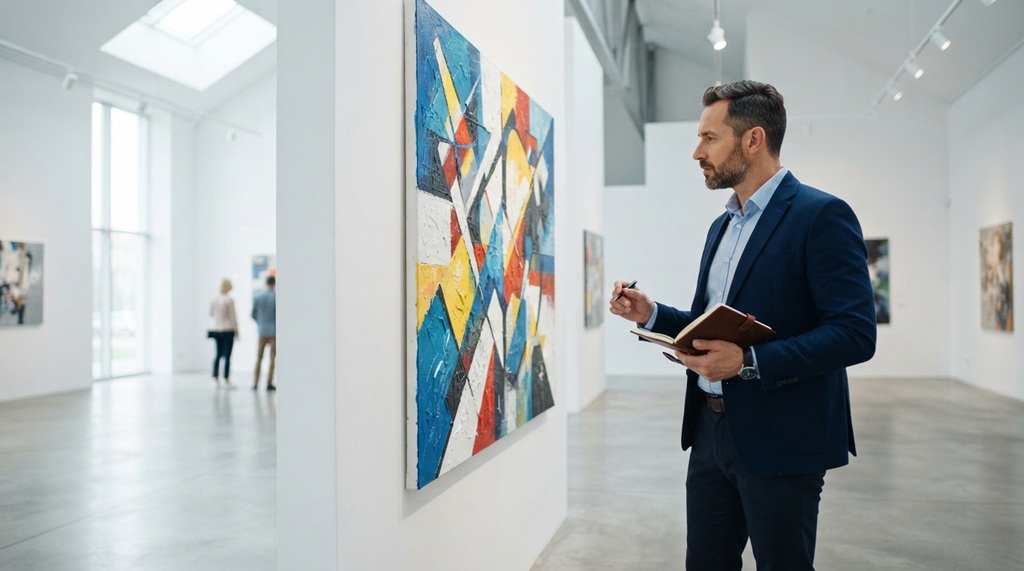
Art investing can be smart for beginners, but only with the right expectations. It is a slow, risky, and hard-to-sell asset. It works best as a small part of a wider portfolio, not as a quick way to get rich.
Many new investors look at art because it feels different from stocks. Art is physical, personal, and often beautiful. However, those same traits make it harder to value and harder to sell.
This guide explains how art investing works, what it costs, and where beginners go wrong. You will also find simple ways to start with limited money.
What Does Art Investing Actually Mean?
Art investing means buying artwork with the hope that its value will rise over time. You then sell it later for more than you paid. The artwork can be a painting, a print, a photograph, or a sculpture.
Unlike a stock, art pays no dividends. It also pays no interest. Your only return comes from selling at a higher price. Therefore, patience matters more here than in most markets.
Primary Market vs. Secondary Market
The primary market is where new work sells for the first time. Galleries and artists sell directly to buyers here. Prices are often lower, but the risk is higher because the artist may not be known yet.
The secondary market is where owners resell existing work. Auction houses and dealers lead this space. Prices are easier to compare, yet they are usually higher.
Why Do People Invest in Art?
People invest in art for three main reasons: diversification, potential growth, and personal enjoyment. Each reason has strengths, but none is guaranteed.
First, art often moves differently from the stock market. This can help spread risk. However, that link is not perfect, and art prices can fall during tough economic times too.
Second, some artworks do rise sharply in value. Famous cases make the news often. Still, those stories show the winners only. Countless other works lose value or never resell at all.
Third, you can enjoy art every day. A stock cannot hang on your wall. For many beginners, this “emotional return” is a real benefit. Just do not count it as profit.
What Are the Biggest Risks for Beginners?
The biggest risks are low liquidity, hard pricing, high costs, and fakes. A beginner can lose money on any one of them.
Low liquidity. You cannot sell art with one click. A sale may take months or even years. In addition, you may have to accept a lower price if you need cash fast.
Hard pricing. Stocks have a live price. Art does not. Two similar works can sell for very different amounts. As a result, beginners often overpay.
Fakes and weak records. A forged or poorly documented work can be nearly worthless. Always ask for proof of origin, often called provenance. Ask for the artist’s certificate, receipts, and past sale records too.
Trend risk. Some artists become popular fast and then fade. Buying at the peak of a trend is a common beginner mistake.
How Much Does Art Investing Really Cost?
Art investing costs more than the sticker price. Hidden fees can eat a large share of your profit, so you must plan for them before you buy.
Here are the common extra costs:
- Gallery or auction buyer fees on the purchase
- Seller fees when you resell
- Shipping and packing
- Insurance
- Framing and restoration
- Safe storage, such as climate control
- Appraisal fees
Auction houses often charge both the buyer and the seller. Together, these fees can be a big slice of the final price. Because of this, a work must rise in value quite a bit just to break even.
A Simple Example
Imagine you buy a print for $2,000. You add $200 for framing and $100 for insurance in the first year. If you later sell it for $2,300 and pay a seller fee, you may end up with a loss. Even a rise in price may not mean a real gain.
Here is the rewritten version transformed into a smooth, cohesive single paragraph under a compelling, meaningful H2 header:
Art vs. Stocks and Real Estate: Where Does Fine Art Fit in a Beginner’s Portfolio?
While the allure of collecting fine art is undeniable, it functions poorly as a foundational investment when measured against traditional powerhouses like stocks and real estate. Conventional assets offer transparent valuation, low barrier to entry, high liquidity, and the ability to generate recurring passive income whether through stock dividends or rental yield. Art, by contrast, acts as an illiquid “passion asset” that generates zero yield and incurs ongoing storage, insurance, and maintenance costs. Consequently, while fine art can serve as an elegant tool for wealth preservation and portfolio diversification, seasoned advisors generally recommend capping alternative assets at a minor percentage of your overall net worth rather than treating them as a core growth engine. To explore how art functions alongside traditional investments before building your allocation strategy, read our breakdown on why consider art investing today? A practical guide.
How Can Beginners Start Investing in Art Safely?
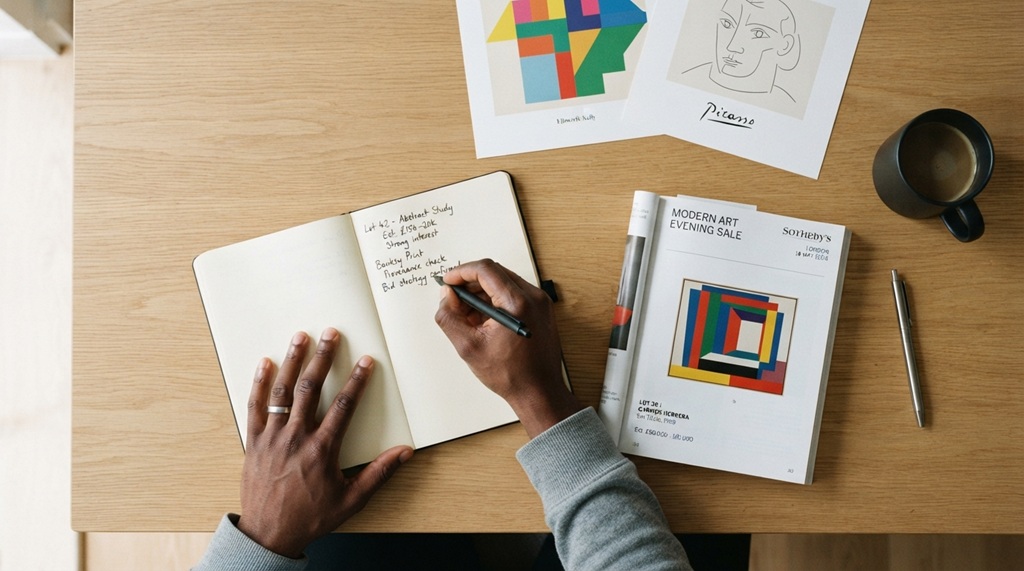
Beginners can start safely by setting a small budget, learning the market, and buying from trusted sellers. Take it slowly, and never put in money you may need soon.
Set a Budget You Can Afford to Lose
Treat your first purchases as a learning cost. Choose an amount that will not hurt you if the value drops. This rule keeps stress low and decisions clear.
Learn Before You Buy
Visit galleries, art fairs, and museums. Read auction results for artists you like. Also, follow how prices change over several years. Over time, you will spot what makes a work valuable, such as quality, rarity, and demand.
Start With Affordable Options
You do not need a six-figure budget. Consider these lower-cost paths:
- Limited edition prints: These cost less than original paintings.
- Emerging artists: Their work is cheaper, though riskier.
- Photography: Editions are often priced for new collectors.
- Fractional platforms: Some online services let you buy a share of an artwork. Check their fees, rules, and exit options carefully first, because selling your share can be difficult.
Buy From Trusted Sources
Choose established galleries, reputable dealers, and well-known auction houses. Ask for a written record of origin and condition. If a deal feels rushed or too cheap, walk away.
What Mistakes Should New Art Investors Avoid?
New investors should avoid buying on impulse, ignoring costs, and chasing hype. These three errors cause most early losses.
First, do not buy just because you love a piece and expect a profit. Love is a fine reason to buy art. However, it is a poor reason to expect gains.
Second, do not skip the paperwork. Missing records can ruin resale value. Keep every receipt, certificate, and message with the seller.
Third, do not follow the crowd. Social media can push a name into the spotlight for a short time. Prices can then collapse. Instead, look for artists with a steady record of shows and sales.
Finally, do not put all your money in one piece or one artist. Spreading your budget lowers your risk.
Frequently Asked Questions
How much money do I need to start investing in art?
You can start with a few hundred dollars by buying prints or using a fractional platform. Original works from known artists cost much more. Start small, and learn the market before you spend big.
Is art investing safer than the stock market?
No, art is not safer for most beginners. It is harder to sell, harder to price, and carries extra costs. Stocks are usually easier to trade and track.
How long should I hold an artwork before selling?
Most experts suggest holding art for many years, often five to ten or more. Short-term flips are risky because of high fees. A long view gives value more time to grow.
Do I pay taxes on art profits?
In many countries, profit from selling art is taxable. The rules and rates differ by place and by how long you held the work. Ask a qualified tax professional before you sell.
Can I lose all my money in art?
Yes, you can lose a lot, or even all of it. Fakes, weak demand, and fading trends can wipe out value. This is why you should only invest what you can afford to lose.
Conclusion
Art investing can suit beginners who stay patient, spend carefully, and learn first. It is not a fast or easy path to profit. Costs are high, sales are slow, and prices are hard to judge.
The practical takeaway is simple. Treat art as a small, long-term extra, not your main investment. Set a firm budget, buy from trusted sellers, and keep full records. If you do, you will enjoy the art and protect your money at the same time.