

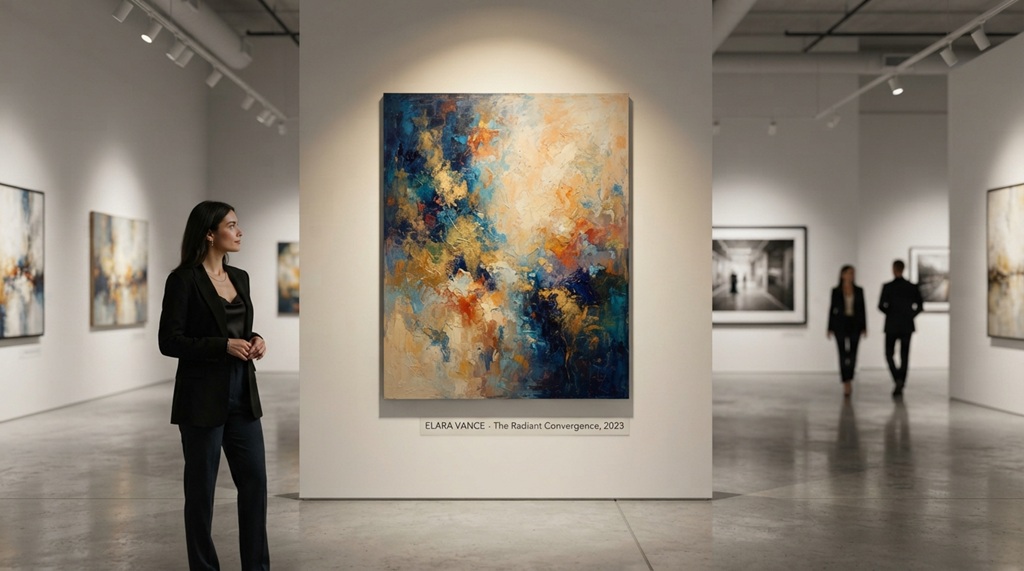
Art investing builds lasting wealth in three main ways: long-term price appreciation, portfolio diversification, and low correlation with stock market swings. Investors who hold quality artwork for 10+ years often see steady returns that rival traditional assets. Unlike stocks or bonds, art also offers tangible enjoyment while it grows in value.
This combination makes art attractive to wealthy families and institutions alike. Art isn’t just a hobby for collectors anymore. It has become a recognized asset class that financial advisors now factor into serious wealth-building strategies.
But art investing isn’t a guaranteed win. It requires patience, market knowledge, and a clear understanding of the risks. This guide breaks down exactly how art builds wealth over time, and what you need to know before buying your first piece.
Art Appreciates Over Long Holding Periods
Art tends to grow in value the longer you hold it. Most successful art investors treat their pieces as 10-to-20-year holdings rather than quick flips.
According to industry experts, blue-chip artworks by established artists have historically outperformed many traditional investments over multi-decade periods. This growth doesn’t happen in a straight line, though. Prices can stay flat for years before a sudden jump in value.
Several factors drive this long-term appreciation:
- Scarcity: A dead artist can’t create new work, so supply stays fixed while demand can grow.
- Reputation growth: Museum shows, critical reviews, and gallery representation build an artist’s market value over time.
- Cultural shifts: Renewed interest in a particular movement or artist often triggers price surges.
The key takeaway is patience. Investors who buy and sell quickly rarely see the same returns as those who hold for the long haul.
Art Diversifies Your Investment Portfolio
Art helps diversify a portfolio because its value doesn’t move in sync with stocks and bonds. This low correlation means art can hold or even gain value during market downturns.
Financial advisors often recommend allocating a small percentage of a portfolio to alternative assets like art. Common recommendations for this fall between 5% and 15% of total investable wealth, though this varies based on individual risk tolerance and net worth. This allocation cushions the overall portfolio when traditional markets get volatile.
Why Low Correlation Matters
Traditional assets often react to the same economic news. Interest rate changes, inflation reports, and earnings season can move stocks and bonds together.
Art markets follow a different rhythm. They respond more to cultural trends, auction results, and collector demand. This disconnect from broader economic cycles gives art a defensive quality that many other assets can’t offer.
Combining Art with Other Alternative Assets
Smart investors don’t put all their diversification eggs in one basket. Many pair art with other alternatives like real estate, private equity, or collectibles.
This layered approach spreads risk across multiple uncorrelated assets. Each asset class reacts differently to economic shifts, so a downturn in one area rarely tanks the entire portfolio.
Art Provides Tax Advantages for Investors
Art ownership can offer meaningful tax benefits, particularly around estate planning and charitable giving. These advantages often get overlooked by first-time investors.
Donating artwork to a qualified museum or nonprofit can generate a charitable deduction based on the piece’s appraised value. This strategy works well for collectors who want to reduce their taxable estate while supporting cultural institutions.
Art also transfers differently than cash or securities during estate planning. Family trusts and foundations frequently use art to preserve wealth across generations while managing estate tax exposure. A qualified tax attorney or estate planner should always guide these decisions, since art tax rules vary by jurisdiction and change over time.
Understanding the Real Risks of Fine Art Investment
Art investing offers exceptional wealth-building potential, yet navigating its core risk illiquidity requires a realistic strategy. Unlike traditional equities that liquidate in seconds, fine art operates on an extended timeline where identifying qualified buyers, negotiating valuations, and finalizing sales often spans months or years. Successfully balancing this long-term commitment with your financial goals depends on structured execution, making it essential to explore the best art investment strategies for beginners and collectors before committing capital to a portfolio.
Authentication and Provenance Risks
Fake or misattributed artwork destroys value instantly. Every serious art purchase needs verified provenance, meaning a documented history of ownership.
Buyers should work with reputable galleries, auction houses, or independent authenticators before any major purchase. Skipping this step is one of the most common mistakes new art investors make.
Market Volatility for Emerging Artists
Established, blue-chip artists tend to hold value more reliably than emerging ones. Younger or trending artists can see dramatic price swings based on shifting tastes.
Investors chasing quick gains in emerging art markets take on significantly more risk than those focused on established names. This doesn’t mean emerging art can’t pay off. It just means the volatility runs much higher.
Where Wealthy Investors Actually Buy Art

Most serious collectors don’t rely on a single buying channel. They spread purchases across auction houses, private dealers, and increasingly, digital platforms.
Major auction houses like Sotheby’s and Christie’s remain the gold standard for high-value pieces with strong provenance. Private dealers offer more discretion and often surface works before they hit public auction. Meanwhile, fractional art investing platforms have opened the market to investors who can’t afford six-figure pieces outright, letting them buy shares in a single artwork alongside other investors.
This shift matters because it changes who can participate in art wealth-building. Art investing used to require significant upfront capital. Now, smaller investors can gain exposure to blue-chip art markets through these newer platforms, though they should research fees and liquidity terms carefully before committing.
How to Start Building Wealth Through Art
Getting started with art investing doesn’t require millions of dollars. A structured approach protects you from costly early mistakes.
Begin with these steps:
- Set a clear budget. Only invest money you can afford to lock up for years.
- Educate yourself on a specific category. Focus on one art movement or medium instead of trying to master the entire market.
- Work with credentialed experts. Appraisers, advisors, and reputable dealers reduce your risk of buying fakes or overpaying.
- Start small. Consider fractional platforms or lower-priced works before committing to major purchases.
- Track your collection’s value. Regular appraisals help you understand your portfolio’s real performance over time.
Following these steps builds a foundation for sustainable, long-term art wealth rather than speculative, short-term bets.
Frequently Asked Questions
Is art a good investment for building long-term wealth?
Art can build long-term wealth when investors buy quality pieces and hold them for extended periods. It works best as part of a diversified portfolio rather than a standalone strategy. Success depends heavily on research, patience, and working with credible experts.
How much money do you need to start investing in art?
You don’t need a large fortune to start. Fractional art investing platforms allow entry with much smaller amounts than traditional auction purchases. Traditional gallery or auction purchases, however, often require thousands of dollars minimum.
What type of art holds value best over time?
Blue-chip art from established, historically significant artists tends to hold value most reliably. These artists have a proven track record across multiple market cycles. Emerging artists can offer higher potential returns but carry significantly more price volatility.
How is art investing taxed?
Art investment taxation varies by country and depends on factors like holding period and sale structure. Many jurisdictions treat art sales as collectibles, which can carry different capital gains rates than stocks. A tax professional should always review your specific situation before you buy or sell.
Can you lose money investing in art?
Yes, art investing carries real risk of loss. Prices can decline due to shifting tastes, authentication issues, or poor initial purchase decisions. Illiquidity also means you might need to sell at a lower price than expected if you need cash quickly.
Final Thoughts
Art builds lasting wealth through long-term appreciation, portfolio diversification, and strategic tax planning. It rewards patient investors who do their research and avoid chasing short-term trends.
That said, art investing isn’t a shortcut to riches. It demands real due diligence, credible expert guidance, and a long time horizon. Investors who approach it the way they’d approach any serious asset class, with discipline and realistic expectations, position themselves to benefit from what art investing does best: building wealth that lasts.