

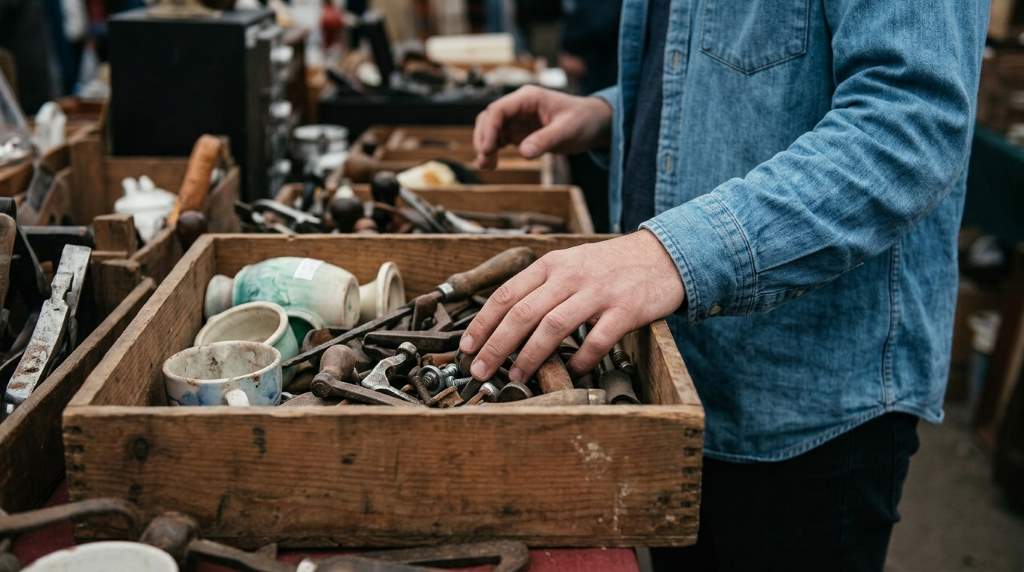
Learning how to make money flipping random items can turn everyday bargains into reliable income with very little startup capital. According to the National Retail Federation, resale shopping continues growing as consumers look for better value. Meanwhile, online marketplaces attract millions of buyers searching for affordable products every day. Therefore, flipping random items offers an accessible way to earn extra cash while developing valuable buying and selling skills.
Why Flipping Random Items Is a Smart Side Hustle
Many successful resellers begin with inexpensive household finds instead of expensive inventory. As you gain experience, your confidence and profits naturally increase through smarter purchasing decisions.
Start by focusing on items with consistent demand instead of chasing every opportunity. For example, someone interested in service based income can also explore start mobile knife sharpening opportunities that complement local flipping activities.
Unlike traditional businesses, flipping requires limited investment and flexible working hours. As a result, many beginners build steady monthly income while keeping their regular jobs.

Understand What Makes an Item Profitable
Not every cheap product creates profit after resale. Instead, successful flippers evaluate demand, condition, competition, and selling costs before purchasing anything.
Always compare completed listings instead of active listings on major marketplaces. This simple habit reveals what buyers actually pay rather than unrealistic asking prices.
Calculate every expense before making a purchase decision. Include shipping, marketplace fees, taxes, cleaning supplies, and packaging materials in your estimates.
Look for High Demand Categories
Popular categories usually sell faster than niche products with limited audiences. Consequently, faster inventory turnover creates healthier cash flow and reduces storage needs.
- Small kitchen appliances
- Power tools
- Video games
- Collectible toys
- Brand name clothing
- Sporting equipment
- Furniture
- Vintage electronics
Where to Find Random Items Worth Flipping
Profitable inventory exists almost everywhere when you know what to search for. Therefore, experienced flippers regularly visit multiple sourcing locations every week.
Garage sales often provide the highest profit margins because sellers want quick cash. Likewise, estate sales frequently contain valuable collectibles, antiques, and quality household goods.
While growing your income, maintain emotional discipline because fear and excitement affect every investment decision. Likewise, understanding how to deal with crypto FOMO teaches useful lessons about avoiding impulsive purchases during flipping.
Best Places to Source Inventory
- Garage sales
- Estate sales
- Thrift stores
- Flea markets
- Facebook Marketplace
- Storage unit auctions
- Discount retailers
- Clearance sections
- Community giveaway groups
How to Research Item Value Before Buying
Research separates profitable flippers from people who simply collect clutter. Therefore, spend several minutes verifying value before spending your money.
Search sold listings using exact product names, model numbers, and condition details. Additionally, review several recent sales to estimate realistic pricing accurately.
Strong financial habits also improve long term success beyond flipping alone. Some entrepreneurs later explore use cash value life insurance concepts while building broader wealth strategies.
Important Research Factors
- Brand reputation
- Product condition
- Average selling price
- Shipping costs
- Marketplace fees
- Seasonal demand
- Local competition
Clean and Prepare Items Before Selling
Presentation strongly influences buyer confidence and final selling price. Therefore, clean every product carefully before taking listing photos.
Replace missing screws, tighten loose parts, and remove old price stickers whenever possible. Small improvements often produce significantly higher selling prices.
Keep original packaging whenever available because collectors frequently pay premium prices for complete products. Likewise, organize accessories neatly before photographing everything.
Create Listings That Attract Buyers
Professional listings receive more attention than vague descriptions with poor images. Consequently, investing extra effort increases both visibility and buyer trust.
Use natural lighting when photographing products from several different angles. Moreover, include close up images showing important details and any imperfections honestly.
Write detailed descriptions using accurate measurements, model numbers, and condition notes. Transparency reduces returns while improving customer satisfaction and positive reviews.
Listing Checklist
- Clear title with important keywords
- High quality photos
- Accurate measurements
- Honest condition description
- Competitive pricing
- Fast response time
Choose the Right Selling Platform
Different products perform better on different marketplaces depending on buyer preferences. Therefore, match each item with its most suitable selling platform.
Local marketplaces work well for furniture because shipping remains expensive. Meanwhile, collectible items often perform better on specialized online platforms.
- eBay for collectibles and electronics
- Facebook Marketplace for local sales
- Mercari for household goods
- Poshmark for clothing
- OfferUp for larger items
Pricing Strategies That Increase Profit
Competitive pricing attracts buyers without sacrificing reasonable profit margins. Instead of copying competitors blindly, analyze recent completed sales carefully.
Leave room for negotiation when selling on platforms where buyers expect discounts. However, avoid unrealistic pricing because listings may remain unsold for months.
Bundle related products together whenever possible because larger orders often create higher average profits. Buyers also appreciate convenient package deals.
Common Mistakes Beginners Should Avoid
Many beginners purchase items because prices seem extremely low without researching demand first. Unfortunately, cheap inventory becomes expensive when nobody wants it.
Another common mistake involves ignoring shipping costs before listing heavy products online. Consequently, unexpected expenses quickly reduce overall profitability.
Successful flippers stay patient and continue learning from every transaction. Consistency usually produces better results than chasing quick profits.
How to Scale Your Flipping Business
Reinvest a portion of every profit into higher value inventory with stronger margins. As your experience grows, you can confidently handle larger transactions.
Create simple spreadsheets tracking purchases, expenses, profits, and inventory turnover. Organized records reveal which product categories consistently generate the best returns.
Build relationships with local thrift stores, estate sale organizers, and repeat sellers. Reliable sourcing connections provide valuable inventory before competitors discover it.
Final Thoughts
Anyone willing to research carefully, negotiate wisely, and present products professionally can learn how to make money flipping random items. Start small, focus on consistent profits, and improve your skills after every sale. Take action today by visiting local thrift stores or garage sales because your next profitable flip could already be waiting.
Frequently Asked Questions
How much money do I need to start flipping random items?
You can start with as little as twenty to one hundred dollars.
What items sell the fastest?
Small electronics, tools, kitchen appliances, and branded clothing usually sell quickly.
Should I clean items before selling?
Yes, clean products usually attract more buyers and better prices.
Where should beginners sell flipped items?
Facebook Marketplace and eBay are excellent starting platforms for most beginners.
Can flipping become a full time business?
Yes, many consistent flippers eventually build full time income through disciplined buying and selling.