

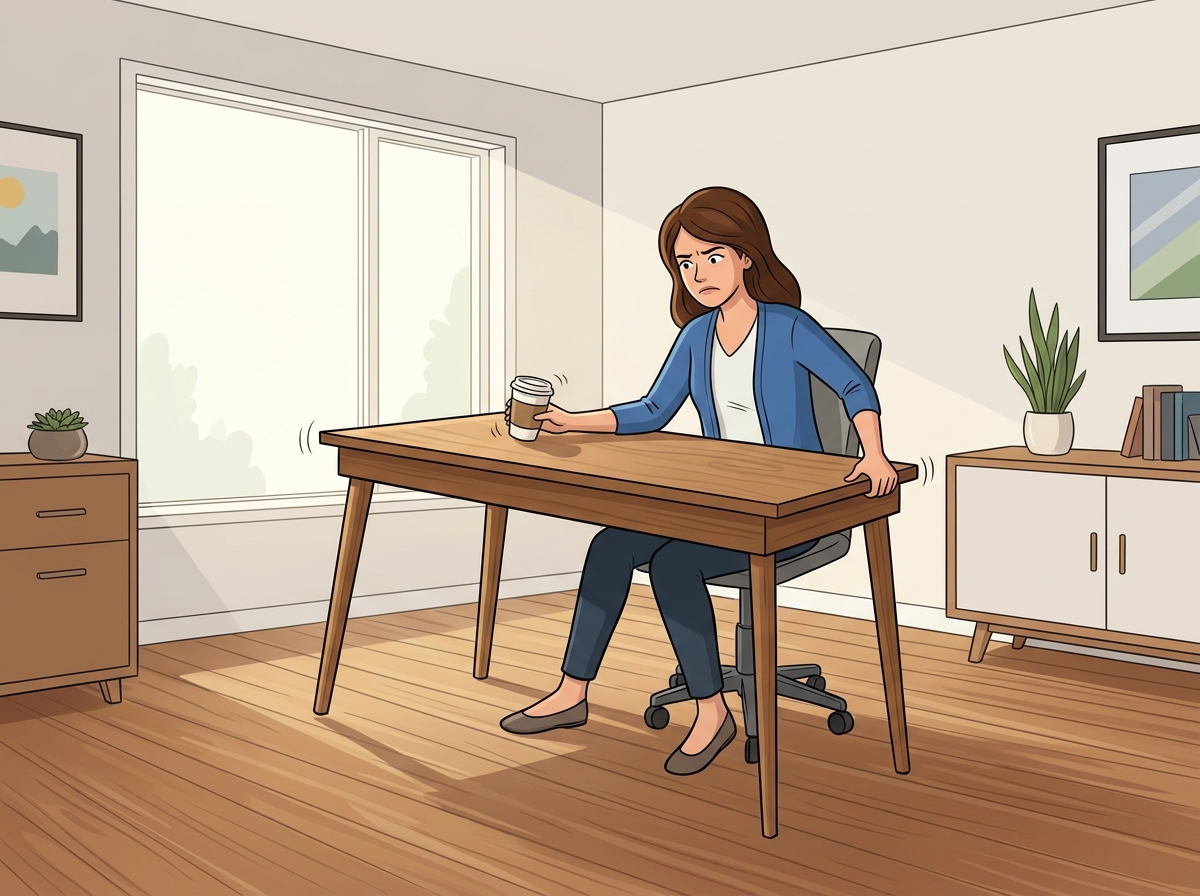
A stable office desk supports better focus, safer equipment placement, and improved daily comfort. Research shows that ergonomic workspaces can increase productivity by up to 17%, while poor workstation stability contributes to unnecessary workplace frustration. If your desk shakes during typing, every task becomes more difficult. Many people also search for an office chair wobble fix because both issues often reduce workspace comfort. Fortunately, most desk stability problems have simple solutions that require basic tools and careful inspection.
Understand Why an Office Desk Starts Wobbling
Every desk depends on balanced support across all legs. However, loose hardware, uneven flooring, or damaged components often create unwanted movement. You should also review your complete workspace because the right home vs office projector screens setup keeps equipment distributed more evenly.
Houston offices often experience changing humidity throughout the year. Therefore, wooden desks may slightly expand or contract, causing joints to loosen over time. Regular inspections help prevent larger stability problems before they develop.
Common Causes of Desk Wobble
- Loose screws or bolts
- Uneven office flooring
- Bent or damaged desk legs
- Warped desktop panels
- Poor weight distribution
- Missing support braces
Inspect the Desk Before Making Repairs
Begin with a complete visual inspection before tightening anything. Small cracks, missing fasteners, or damaged brackets usually explain the movement. Likewise, offices using heavy equipment should consider energy efficient refrigerator office electricity savings planning because balanced office layouts reduce unnecessary stress on nearby furniture.
Move the desk gently from different directions to identify the unstable section. Next, watch each leg closely while another person applies light pressure across the desktop. This simple test quickly reveals the weak connection.
Tools You May Need
- Screwdriver set
- Allen wrench
- Adjustable wrench
- Spirit level
- Furniture shims
- Wood glue if required
- Replacement screws
Tighten Every Connection Carefully
Loose hardware remains the most common reason for unstable desks. Tighten each bolt evenly instead of focusing on one corner first. Growing businesses investing in quality furniture often explore carryback financing business growth strategies to improve long term workplace efficiency.
Avoid overtightening because excessive force may damage wooden frames. Instead, apply steady pressure until each fastener feels secure. Afterward, test the desk again before making further adjustments.
Level the Desk on Uneven Floors
Many office buildings contain floors that appear flat but include small height differences. Consequently, one desk leg may never contact the floor correctly. Even expensive desks can wobble because of this issue.
Use a spirit level across the desktop in several directions. Then place furniture shims beneath the shortest leg until the desk remains completely steady. Trim excess shim material for a cleaner appearance.
Strengthen Weak Desk Joints
Repeated movement slowly weakens connecting joints over several years. Wooden desks especially benefit from additional reinforcement when the frame begins shifting. Secure joints restore stability without replacing the entire desk.
Apply quality wood glue inside loose wooden joints before clamping them tightly. Meanwhile, replace damaged corner brackets with stronger metal versions whenever possible. Allow sufficient drying time before using the desk again.
Redistribute Heavy Office Equipment
Uneven weight creates constant stress on one side of the desk. Large printers, monitors, and storage boxes often overload specific support points. Balanced placement improves both stability and furniture lifespan.
Keep heavier equipment close to the center whenever practical. Store less frequently used supplies inside nearby cabinets instead of stacking everything across the desktop. This adjustment noticeably reduces frame movement.
Replace Damaged Components
Some desk parts cannot deliver reliable performance after years of wear. Bent legs, cracked braces, and stripped bolts require replacement instead of temporary repairs. Fresh hardware provides better long term stability.
Purchase replacement components that match the manufacturer’s specifications whenever possible. Compatible parts fit correctly and maintain the desk’s original structural strength. Quality replacements also reduce future maintenance needs.
Prevent Future Desk Wobble
Routine maintenance keeps office furniture performing properly throughout the year. Simple monthly inspections often prevent expensive repairs later. Preventive care always costs less than replacing damaged furniture.
Create a regular maintenance checklist for every workstation. Tighten hardware, clean joints, inspect leveling feet, and remove unnecessary weight during each inspection. Consistent attention preserves stability for many years.
Maintenance Checklist
- Inspect bolts every month
- Check floor contact regularly
- Clean dust around joints
- Balance desktop equipment
- Replace worn hardware quickly
- Inspect support braces twice yearly
When to Replace the Entire Desk
Some desks become unsafe despite repeated repairs. Large structural cracks or severe frame damage usually indicate replacement offers better value. Continuing repairs may waste both time and money.
Select a desk with reinforced steel framing and adjustable leveling feet. Durable construction minimizes movement while supporting modern office equipment more effectively. Quality furniture also delivers better long term reliability.
Conclusion
Learning how to stop a wobbly office desk in Houston, TX begins with careful inspection and regular maintenance. Most stability problems result from loose hardware, uneven floors, or poor weight distribution. By following these practical steps, you can restore a firm, comfortable workspace without major expense. Inspect your desk today, complete the necessary repairs, and enjoy a safer and more productive office environment.
Frequently Asked Questions
Why does my office desk wobble even after tightening the screws?
An uneven floor or damaged frame usually causes the remaining movement.
Can furniture shims permanently fix a wobbly desk?
Yes, quality furniture shims provide a reliable long term solution for uneven flooring.
Should I replace bent desk legs?
Yes, replacing bent legs restores proper support and improves overall stability.
How often should I inspect my office desk?
Inspect your desk at least once each month for loose hardware and damage.
Is replacing the desk better than repairing it?
Replace the desk when major structural damage makes repairs unsafe or uneconomical.