


Starting a mobile knife sharpening business for local chefs can turn a simple skill into a high-margin venture. With over 80% of professional chefs reporting dissatisfaction with dull knives, the demand for sharp, reliable tools is ever-growing. This business requires minimal startup costs but offers significant returns, especially in culinary hubs. By focusing on quality and convenience, you can build a loyal client base quickly.
Why a Mobile Knife Sharpening Business Is a Smart Investment
A mobile knife sharpening business stands out because it fills a gap in the market. Many chefs and restaurants lack the time or expertise to maintain their knives properly. By offering a mobile service, you bring the solution directly to their doorstep, saving them time and ensuring their tools are always in top condition.
The profit margins in this niche are impressively high. With low overhead costs and the ability to charge premium rates for specialized services, you can achieve a strong return on investment. Additionally, repeat business is common, as chefs require regular sharpening to maintain the quality of their work.
Another advantage is the scalability of the business. You can start small, serving local restaurants and home cooks, and gradually expand to cater to larger clients, such as hotels and catering companies. The flexibility of a mobile business also allows you to adapt to different locations and schedules.
Understanding the Needs of Local Chefs
Local chefs rely on sharp knives to deliver precision and efficiency in their work. Dull knives not only slow down their workflow but also pose safety risks. Understanding these pain points will help you tailor your services to meet their specific needs.
Chefs often work in high-pressure environments where every second counts. A mobile sharpening service that operates outside of peak kitchen hours can be a game-changer. Additionally, offering quick turnaround times and reliable results will make your service indispensable.
It is also important to recognize the different types of knives used in professional kitchens. From chef’s knives to paring knives, each requires a unique approach to sharpening. Being knowledgeable about these differences will set you apart from competitors.
Essential Equipment for Your Mobile Knife Sharpening Business
Investing in the right equipment is crucial for delivering high-quality results. A portable sharpening station with a variety of whetstones is a must. These stones come in different grits, allowing you to handle everything from rough shaping to fine polishing.
In addition to whetstones, consider investing in a guided sharpening system. This tool helps maintain consistent angles, which is especially important for chefs who demand precision. A portable workbench or table will also provide a stable surface for sharpening on the go.
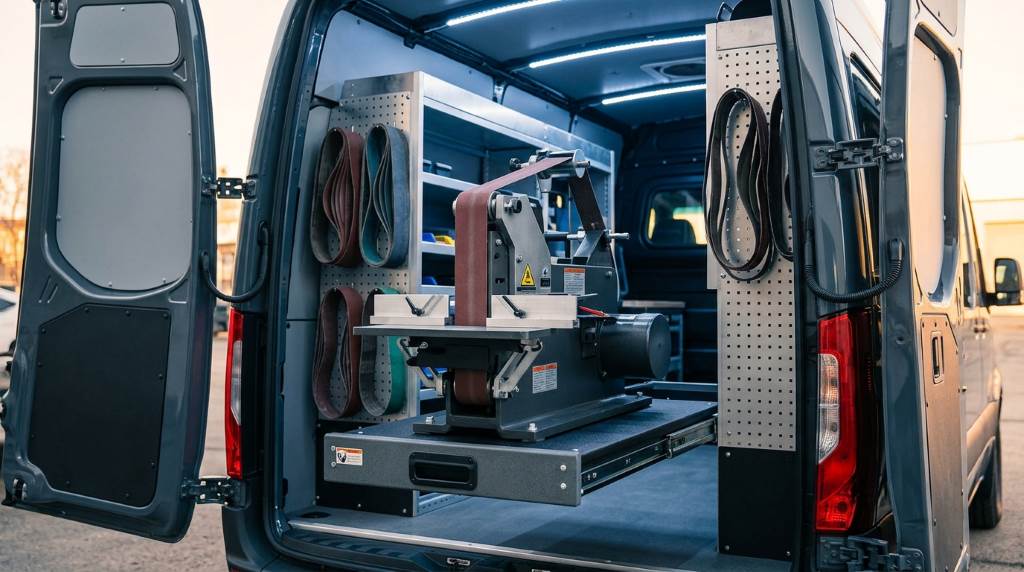
Do not overlook the importance of safety gear. Gloves, goggles, and aprons will protect you from injuries while working. Additionally, a reliable vehicle equipped with storage solutions will help you transport your equipment efficiently.
Step-by-Step Guide to Launching Your Business
Research and Planning
Begin by researching your local market to identify potential clients. Visit restaurants, catering companies, and culinary schools to understand their needs. This will also help you determine the best pricing strategy for your services.
Create a business plan that outlines your goals, target market, and financial projections. This plan will serve as a roadmap for your business and can be useful if you seek funding or partnerships. Additionally, consider the legal requirements, such as business registration and insurance.
Invest in Quality Equipment
Purchase high-quality sharpening equipment that can handle the demands of professional chefs. While it may be tempting to cut costs, investing in durable tools will pay off in the long run. Look for equipment that is easy to transport and set up.
Test your equipment thoroughly before offering services to clients. This will ensure that you can deliver consistent, high-quality results. Additionally, familiarize yourself with the maintenance and care of your tools to extend their lifespan.
Develop Your Sharpening Skills
Sharpening knives is both an art and a science. Take the time to practice and refine your skills. Watch tutorials, attend workshops, or apprentice under an experienced sharpener to learn the best techniques.
Experiment with different types of knives and sharpening methods to build your expertise. The more versatile your skills, the more clients you can attract. Additionally, consider offering specialized services, such as repairing damaged blades or customizing edges.
Set Up Your Mobile Operation
Choose a vehicle that can comfortably accommodate your equipment and provide a workspace. A van or trailer with custom storage solutions can work well. Ensure that your setup is organized and efficient to maximize productivity.
Develop a schedule that allows you to visit clients at convenient times. Many chefs prefer early morning or late evening appointments to avoid disrupting their workflow. Additionally, consider offering emergency services for clients who need immediate assistance.
Market Your Services Effectively
Create a professional website and social media profiles to showcase your services. Use high-quality images and testimonials to build credibility. Additionally, consider offering promotions or discounts to attract your first clients.
Networking is key in the culinary industry. Attend local food festivals, culinary events, and trade shows to connect with potential clients. Building relationships with chefs and restaurant owners can lead to repeat business and referrals.
Another effective marketing strategy is to offer free demonstrations. Visit local restaurants and offer to sharpen a few knives for free. This will give chefs a taste of your skills and encourage them to book your services.
Unique Strategies to Stand Out in the Market
To differentiate your business, consider offering additional services that complement knife sharpening. For example, you could provide knife maintenance workshops for chefs and their staff. This not only adds value but also positions you as an expert in the field.
Another unique approach is to offer a subscription-based model. Chefs can sign up for regular sharpening services, ensuring their knives are always in top condition. This provides a steady income stream and builds long-term relationships with clients.
You can also partner with local culinary schools or cooking classes. Offering your services to students and instructors can help you reach a broader audience. Additionally, consider collaborating with knife manufacturers to offer exclusive deals or promotions.
For those looking to start baking business from home, diversifying your offerings can open new revenue streams. However, focusing on your core sharpening service will ensure you maintain a high standard of quality.
Pricing Your Services for Maximum Profit
Pricing your services appropriately is crucial for attracting clients while ensuring profitability. Research the rates charged by competitors in your area and consider the quality of your work. Chefs are willing to pay a premium for reliable, high-quality sharpening.
Offer tiered pricing based on the type of knives and the level of service required. For example, a basic sharpening package could include standard chef’s knives, while a premium package could include specialized knives and additional services, such as blade repairs.
Consider offering discounts for bulk services or long-term contracts. This can encourage clients to commit to regular sharpening schedules. Additionally, transparent pricing and clear communication about what is included in each package will build trust with your clients.
Building Long-Term Relationships with Clients
Building strong relationships with your clients is essential for the success of your business. Always deliver on your promises and provide exceptional customer service. A satisfied client is likely to become a repeat customer and refer others to your services.
Follow up with clients after each service to ensure they are happy with the results. This also provides an opportunity to address any concerns and gather feedback. Additionally, consider sending reminders for their next sharpening appointment to keep your services top of mind.
Loyalty programs can also encourage repeat business. Offer rewards, such as free sharpening after a certain number of services, to show appreciation for their continued support. Additionally, consider hosting exclusive events or workshops for your loyal clients.
For entrepreneurs looking to compete with retail giants direct to consumer brand strategy, focusing on personalized service can set you apart from larger competitors.
Overcoming Common Challenges in the Business
One of the biggest challenges in a mobile knife sharpening business is managing your schedule efficiently. Balancing multiple clients and locations can be complex, but using scheduling software can help streamline the process. Additionally, always confirm appointments in advance to avoid no-shows.
Another challenge is ensuring consistent quality across all your services. To address this, develop standardized procedures for sharpening different types of knives. Additionally, regularly maintain and calibrate your equipment to ensure optimal performance.
Handling difficult clients can also be a challenge. Always remain professional and address any concerns promptly. Clear communication and a willingness to go the extra mile can turn a dissatisfied client into a loyal one.
For those exploring home based food entrepreneurs Miami organic orders, adapting to the unique needs of the culinary industry will be key to success.
Scaling Your Business for Growth
Once your business is established, consider expanding your services to reach a wider audience. Hiring additional sharpeners can allow you to take on more clients and increase your revenue. Additionally, investing in a larger vehicle or additional equipment can improve your efficiency.
Expanding into new markets is another way to grow your business. Research areas with a high concentration of restaurants and culinary professionals. Additionally, consider offering your services to home cooks who value high-quality knives.
Franchising your business model is another option for growth. By licensing your brand and methods to others, you can expand your reach without managing every aspect of the business yourself. Additionally, consider developing a line of sharpening products to sell alongside your services.
Conclusion
Starting a high-margin mobile knife sharpening business for local chefs is a rewarding venture. By understanding the needs of your clients, investing in quality equipment, and delivering exceptional service, you can build a successful and sustainable business. The demand for sharp, reliable knives in the culinary industry ensures a steady stream of potential clients.
Take the first step today by researching your local market and developing a business plan. With dedication and a focus on quality, your mobile knife sharpening business can thrive. Do not wait to turn your passion into a profitable enterprise.
FAQ
How often should chefs get their knives sharpened?
Chefs should get their knives sharpened every 2-3 months, depending on usage and knife quality.
What types of knives can you sharpen?
We can sharpen all types of kitchen knives, including chef’s knives, paring knives, and specialty blades.
Do you offer emergency sharpening services?
Yes, we offer emergency services for clients who need immediate assistance.
How do I schedule an appointment?
You can schedule an appointment by calling us or booking online through our website.
What is the average cost for knife sharpening?
The average cost varies based on the type of knife and service package, but typically ranges from $5 to $20 per knife.