

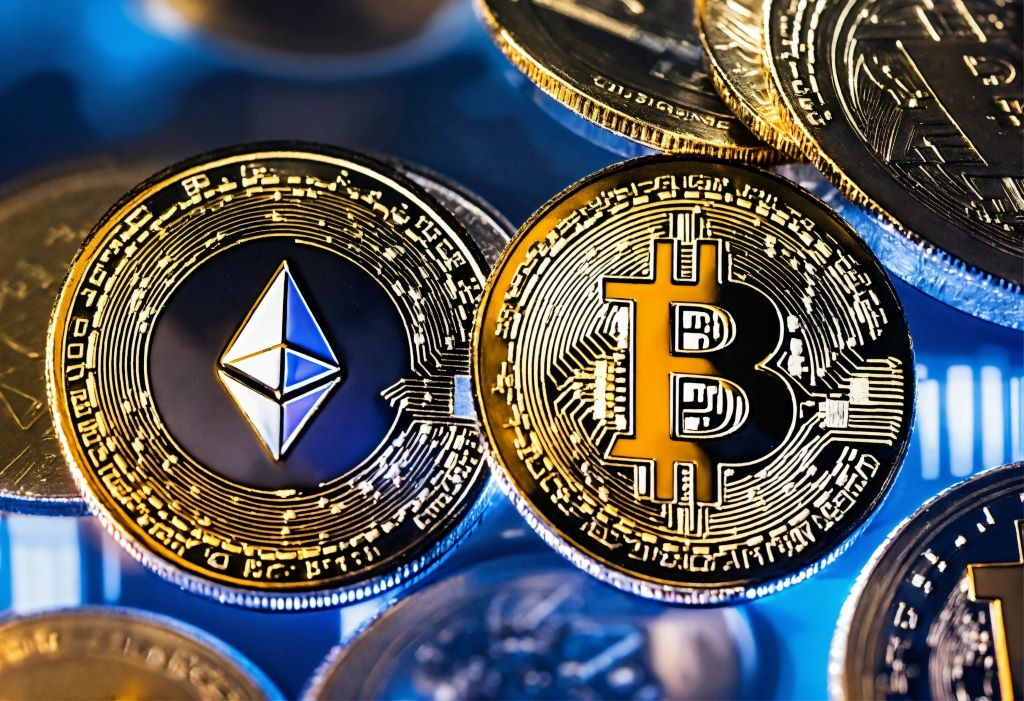
Introduction: The Digital Gold Rush
The world of digital finance sparks curiosity and confusion in equal measure. Bitcoin and cryptocurrency dominate headlines, yet many struggle to grasp their differences. Understanding the difference between Bitcoin and cryptocurrency unlocks the door to informed investing and savvy financial decisions. Bitcoin, launched in 2009, ignited a financial revolution, while thousands of cryptocurrencies followed, each with unique purposes. This article dives deep into their distinctions, offering clarity with expert insights, real-world examples, and actionable tips. Expect a rollercoaster of facts, stats, and opinions to keep you hooked. Ready to demystify the crypto craze? Let’s dive in.
What Is Cryptocurrency? The Big Picture
Cryptocurrency refers to digital or virtual currencies secured by cryptography, operating on decentralized networks called blockchains. Unlike traditional money, no central bank or government controls cryptocurrencies, making them immune to manipulation. Blockchain technology ensures transparent, tamper-proof transaction records. As of April 2025, over 25,000 cryptocurrencies exist, with a market cap exceeding $2.76 trillion. Ethereum, Ripple, and Dogecoin are popular examples, each serving distinct roles like smart contracts or meme-based trading. Cryptocurrencies enable fast, low-cost global transactions, but their volatility—Bitcoin’s price swung from $30,000 to $70,000 in 2021—raises risks. Critics argue they fuel speculation, while supporters see them as the future of finance.
Bitcoin: The Pioneer of Crypto
Bitcoin, created by the pseudonymous Satoshi Nakamoto in 2009, birthed the cryptocurrency movement. It functions as a decentralized digital currency, allowing peer-to-peer transactions without intermediaries like banks. Bitcoin’s blockchain, secured by proof-of-work mining, ensures robust security. With a capped supply of 21 million coins, Bitcoin mimics gold’s scarcity, earning the “digital gold” moniker. Its value surged from pennies to over $60,000 by 2025, driven by institutional adoption. However, high transaction fees—averaging $20 in 2025—and slow processing times hinder its use as everyday money. Proponents view Bitcoin as a hedge against inflation, while skeptics highlight its volatility and energy-intensive mining, consuming as much power as Argentina.
Key Differences: Bitcoin vs. Cryptocurrency
Understanding the difference between Bitcoin and cryptocurrency hinges on scope and purpose. Bitcoin is a single cryptocurrency, while cryptocurrency is the broader category encompassing thousands of coins. Bitcoin focuses on being a store of value and payment method, whereas other cryptocurrencies like Ethereum power smart contracts or decentralized apps. Bitcoin’s unmatched decentralization—no founder or corporation controls it—sets it apart. Other blockchains, like Ethereum, often rely on proof-of-stake, which critics argue risks centralization. Bitcoin’s fixed supply contrasts with coins like Dogecoin, which have unlimited issuance. Data shows Bitcoin holds 50% of the crypto market cap, underscoring its dominance. Yet, altcoins offer innovation, sparking debates over long-term value.
Use Cases: Bitcoin’s Niche vs. Crypto’s Versatility
Bitcoin shines as a store of value, with companies like MicroStrategy holding $10 billion in Bitcoin by 2025. Its real-world use includes cross-border payments, bypassing hefty bank fees. El Salvador’s 2021 adoption as legal tender, though only 15% of citizens used it by 2023, showcases its potential. Conversely, cryptocurrencies like Ethereum fuel decentralized finance (DeFi), enabling lending and trading without banks. Ripple’s XRP streamlines international banking, processing $70 billion in transactions yearly. Critics note Bitcoin’s limited scalability—handling seven transactions per second versus Visa’s 24,000—while altcoins like Solana boast faster networks. This versatility makes cryptocurrencies appealing for developers, but Bitcoin’s brand recognition keeps it king.
Investment Potential: Risk vs. Reward
Investing in Bitcoin versus other cryptocurrencies involves weighing risks and rewards. Bitcoin’s historical returns—12,000% since 2009—outshine most assets, yet its volatility scares conservative investors. Ethereum’s 92,000% growth since 2015 highlights altcoins’ potential, but 90% of crypto traders lose money, per eToro data. Bitcoin’s established network and institutional backing make it a safer bet for long-term holders. Altcoins, however, offer higher upside with greater risk, as meme coins like Dogecoin soar on hype alone. Experts advise diversifying across top coins and researching use cases to mitigate losses. The crypto market’s $1.5 trillion valuation in 2025 signals growth, but caution remains key.
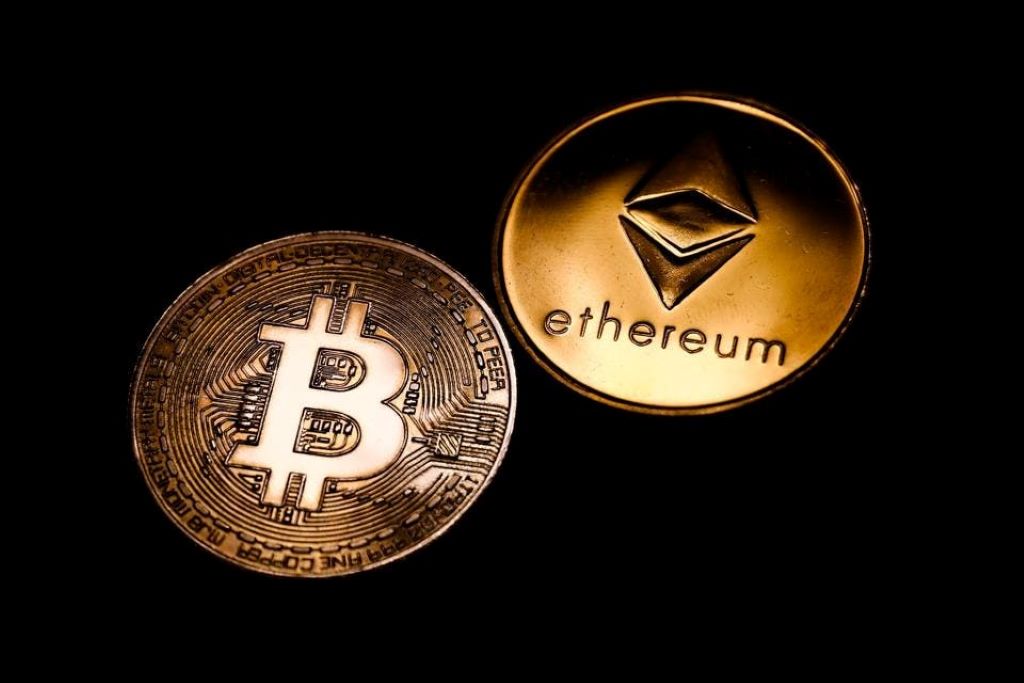
Security and Decentralization: Bitcoin’s Edge
Bitcoin’s decentralization is unmatched, with no central authority or founder controlling its protocol. Miners, incentivized by block rewards, secure the network, consuming vast energy but ensuring censorship resistance. Other cryptocurrencies, like Ethereum, use proof-of-stake, which critics say favors wealthier validators, risking oligarchy. Bitcoin’s pseudonymous nature offers privacy, though not full anonymity, as seen in the FBI’s tracking of ransomware payments. Chainalysis reports only 0.15% of crypto transactions involve illicit activity, debunking crime myths. Still, scams plague altcoins, with $1.3 million lost in a 2021 NFT phishing attack. Bitcoin’s robust security makes it a gold standard, but altcoins’ complexity invites vulnerabilities.
Regulatory Landscape: Navigating the Rules
Governments grapple with regulating Bitcoin and cryptocurrencies, balancing innovation and risk. The U.S. classifies cryptocurrencies as property, subjecting them to capital gains taxes. President Trump’s 2025 executive order for a Strategic Bitcoin Reserve signals growing acceptance, yet no legislation has passed. China’s 2021 crypto ban contrasts with El Salvador’s embrace, highlighting global divides. The SEC’s 2024 approval of Bitcoin ETFs marks a milestone, boosting mainstream adoption. Altcoins face stricter scrutiny, especially stablecoins, after 2022’s market crashes. Experts predict tighter regulations by 2030, potentially stifling smaller coins while cementing Bitcoin’s legitimacy. Investors must stay informed to navigate this shifting landscape.
Environmental Impact: The Energy Debate
Bitcoin’s energy consumption, rivaling Norway’s, sparks heated debates. Proof-of-work mining requires massive computing power, producing electronic waste from outdated machines. Critics argue this undermines sustainability, while defenders note that 40% of mining uses renewable energy. Ethereum’s 2022 shift to proof-of-stake slashed its energy use by 99.9%, setting a precedent for altcoins. Still, Bitcoin miners argue their operations drive renewable energy innovation. Environmental concerns influence investor sentiment, with 60% of 2024 crypto investors prioritizing green projects. Choosing eco-friendly coins or supporting Bitcoin’s renewable push offers solutions for eco-conscious investors. The debate underscores the need for balance in crypto’s growth.
Real-World Examples: Successes and Failures
Bitcoin’s success stories inspire awe. MicroStrategy’s $10 billion Bitcoin bet yielded 200% returns by 2025. El Salvador’s experiment, despite low adoption, reduced remittance costs for citizens. Conversely, altcoin failures like FTX’s 2022 collapse, wiping out $18 billion, highlight risks. Dogecoin’s 2021 surge, fueled by Elon Musk’s tweets, crashed soon after, burning late investors. These cases show Bitcoin’s resilience versus altcoins’ volatility. Researching projects, avoiding hype-driven coins, and using secure wallets protect investors. Learning from history ensures smarter decisions in the crypto wild west.
Expert Tips for Navigating Bitcoin and Cryptocurrency
-
Start Small: Invest only what you can afford to lose, given crypto’s volatility.
-
Research Use Cases: Prioritize coins with strong fundamentals, like Bitcoin or Ethereum.
-
Use Secure Wallets: Hardware wallets like Ledger protect against hacks.
-
Diversify Wisely: Spread investments across top coins to reduce risk.
-
Stay Updated: Follow regulatory changes to anticipate market shifts.
-
Avoid Hype: Ignore meme coin frenzies; focus on long-term value.
-
Learn Blockchain: Understanding the tech behind crypto boosts confidence.
Featured Snippet: Trending Question
What’s the main difference between Bitcoin and other cryptocurrencies?
Bitcoin is a single cryptocurrency focused on being a store of value and payment method, with a fixed 21 million coin supply. Other cryptocurrencies, like Ethereum or Ripple, serve diverse purposes, such as powering smart contracts or facilitating banking transactions. Bitcoin’s unmatched decentralization and market dominance—holding 50% of the $2.76 trillion crypto market—set it apart. Altcoins offer innovation but often lack Bitcoin’s security and recognition.
FAQs: Your Burning Questions Answered
-
Is Bitcoin the same as cryptocurrency?
No, Bitcoin is one type of cryptocurrency. Cryptocurrency is the broader category, including thousands of coins.
-
Why is Bitcoin more valuable than other cryptocurrencies?
Bitcoin’s scarcity, decentralization, and first-mover advantage drive its 50% market share and high value.
-
Can I use Bitcoin like other cryptocurrencies?
Bitcoin is mainly a store of value, while coins like Ethereum power apps or smart contracts.
-
Is Bitcoin safer than other cryptocurrencies?
Bitcoin’s robust blockchain and decentralization make it more secure than many altcoins prone to scams.
-
How do I start investing in Bitcoin or cryptocurrency?
Use reputable exchanges like Coinbase, start small, and store coins in secure wallets.
-
What are the risks of investing in cryptocurrencies?
Volatility, scams, and regulatory changes pose risks; 90% of traders lose money, per eToro.
-
Will Bitcoin replace other cryptocurrencies?
Unlikely. Bitcoin dominates, but altcoins serve unique roles, fostering a diverse crypto ecosystem.
Conclusion: Your Path to Crypto Clarity
Understanding the difference between Bitcoin and cryptocurrency empowers you to navigate the digital finance frontier. Bitcoin, the trailblazing store of value, contrasts with the versatile, innovative world of cryptocurrencies. From investment risks to regulatory shifts, this guide equips you with knowledage to make informed choices. Whether you’re drawn to Bitcoin’s stability or altcoins’ potential, research and caution are your allies. Dive into the crypto revolution with confidence, armed with insights to seize opportunities and dodge pitfalls. The future of money awaits—will you join the ride?
Read More: