

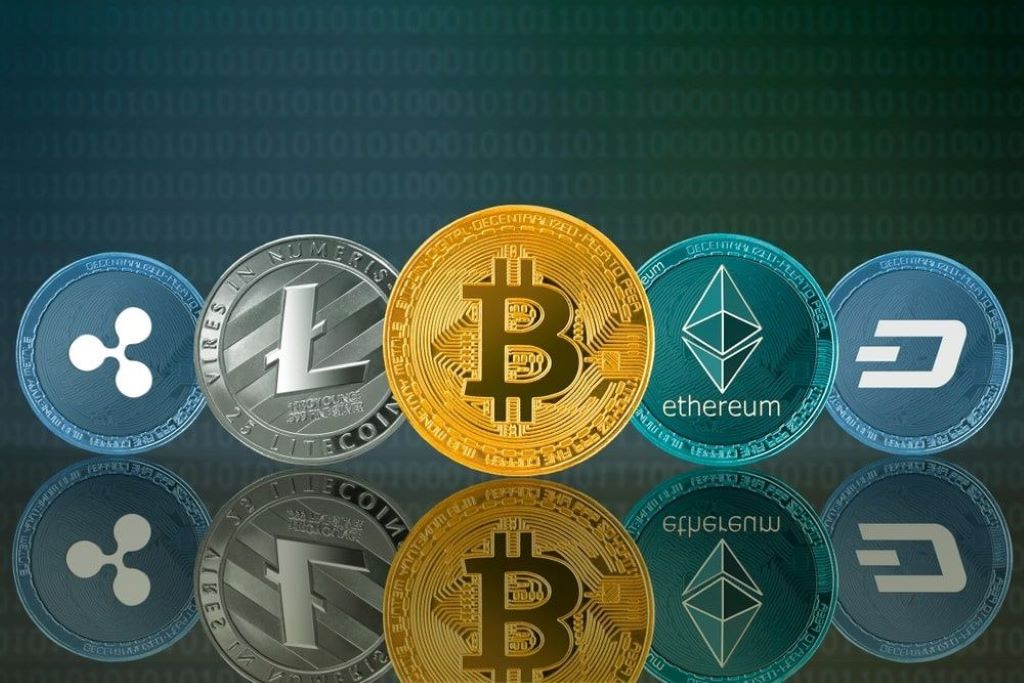
Cryptocurrency has become a buzzword, promising a new era of finance. But what is it, and how does it work? This guide simplifies the concept for beginners, offering clear insights into its mechanics, benefits, and risks.
Key Points
- Definition: Cryptocurrency is digital money using cryptography for secure, decentralized transactions.
- Operation: It relies on blockchain, a public ledger ensuring transparency and security.
- Controversy: While praised for innovation, crypto faces criticism for volatility and regulatory gaps.
- Accessibility: Anyone with internet access can use it, but caution is needed due to risks.
What is Cryptocurrency?
Cryptocurrency is a digital currency that operates without banks or governments. It uses cryptography to secure transactions, making fraud difficult. Bitcoin, launched in 2009, was the first, followed by thousands of others like Ethereum and Tether.
How Does It Work?
Cryptocurrencies run on blockchain, a decentralized ledger recording all transactions. When you send crypto, the network verifies it, and miners or validators add it to the blockchain. This ensures secure, transparent transfers without intermediaries.
Why Consider It?
Crypto offers fast, low-cost global transactions and privacy. However, its price swings and security risks, like exchange hacks, require careful consideration. Research suggests it’s a high-risk, high-reward investment, so start small and stay informed.

Cryptocurrency Decoded: A Beginner’s Guide to Digital Money
Cryptocurrency has revolutionized the way we think about money and transactions. From its mysterious origins to its potential to reshape global finance, crypto has captured the imagination of millions. But for beginners, the world of digital currency can feel overwhelming. Fear not—this guide will break it down step by step, explaining what cryptocurrency is, how it works, and how you can get started.
What is Cryptocurrency?
Cryptocurrency is a digital or virtual form of money that uses advanced cryptography for security. Unlike traditional currencies like the US dollar or euro, which are issued and regulated by governments and central banks, cryptocurrencies operate on decentralized networks. This means no single entity controls them, making them immune to government interference or manipulation.
The most famous cryptocurrency is Bitcoin, created in 2009 by an anonymous figure (or group) known as Satoshi Nakamoto. Since then, thousands of other cryptocurrencies, often called “altcoins,” have emerged, each with unique features and purposes. Cryptocurrencies exist purely in digital form and are stored in digital wallets, not physical banks.
Key Points:
- Decentralized: No central authority controls it.
- Secure: Uses cryptography to protect transactions.
- Digital: Exists only online, no physical form.
- Transparent: Transactions are recorded on a public ledger called a blockchain.
As of April 2025, over 18,000 cryptocurrencies exist, with Bitcoin alone holding a market cap of $1.63 trillion (CoinMarketCap).
How Does Cryptocurrency Work?
At the heart of cryptocurrency is blockchain technology, a revolutionary way of recording transactions. Think of a blockchain as a digital ledger that’s spread across a network of computers worldwide. Each “block” contains a list of transactions, and once a block is filled, it’s added to the chain, creating a permanent and unalterable record.
Here’s how it works:
- Transaction Initiation: When you want to send cryptocurrency, you create a transaction request.
- Network Verification: This request is broadcast to a network of computers (nodes). For proof-of-work systems like Bitcoin, miners use powerful computers to solve complex math problems to validate the transaction. For proof-of-stake systems like Ethereum, validators are chosen based on the amount of cryptocurrency they “stake.”
- Block Addition: Once verified, the transaction is grouped into a block and added to the blockchain.
- Completion: The transaction is now permanent and visible to everyone on the network.
This process ensures:
- Security: Cryptography makes it nearly impossible to counterfeit or double-spend.
- Transparency: All transactions are public, but users remain pseudonymous.
- Decentralization: No single entity controls the network, reducing the risk of failure or manipulation.
Why It Matters: Blockchain’s decentralized nature makes it resistant to fraud and censorship, but it can also be slow and energy-intensive, especially for proof-of-work systems like Bitcoin. For example, a single Bitcoin transaction consumes energy equivalent to hundreds of thousands of VISA transactions (Statista).
Types of Cryptocurrency
There are over 18,000 cryptocurrencies, but not all are created equal. Here are some of the most popular:
| Cryptocurrency | Description | Market Cap (April 2025) |
| Bitcoin (BTC) | The first and most valuable, seen as “digital gold.” | $1.63T |
| Ethereum (ETH) | Known for smart contracts and decentralized apps (dApps). | $215.67B |
| Tether (USDT) | A stablecoin pegged to the US dollar for stability. | $144.17B |
| Cardano (ADA) | Focuses on sustainability and scalability. | $22.61B |
| Solana (SOL) | Known for fast transactions and low fees. | $59.30B |
Key Distinction:
- Coins: Have their own blockchain (e.g., Bitcoin, Ethereum).
- Tokens: Built on existing blockchains (e.g., Tether on Ethereum).
Each serves different purposes, from investment to enabling complex financial applications.
How to Buy and Store Cryptocurrency
Getting started with cryptocurrency is easier than you might think, but it requires careful steps:
-
Choose a Platform:
- Use a reputable cryptocurrency exchange like Coinbase, Binance, or Kraken.
- Alternatively, some traditional brokers like Robinhood offer crypto trading.
-
Create and Fund Your Account:
- Sign up and complete the verification process (KYC).
- Deposit funds using methods like bank transfer, credit card, or debit card (note: credit card purchases can be risky due to high fees and potential fraud).
-
Buy Cryptocurrency:
- Select the cryptocurrency you want (e.g., Bitcoin) and specify the amount.
- Place your order through the exchange’s web or mobile platform.
-
Store Your Cryptocurrency:
- Hot Wallets: Online wallets (e.g., Coinbase Wallet) are convenient but more vulnerable to hacks.
- Cold Wallets: Offline hardware devices (e.g., Ledger, Trezor) offer maximum security but require more setup.
Pro Tip: For long-term storage, always use a cold wallet. For frequent trading, a hot wallet is more practical.
Advantages and Disadvantages of Cryptocurrency
Cryptocurrency offers exciting benefits but also comes with significant challenges.
Advantages:
- Decentralization: No central authority means less risk of manipulation or control.
- Global Access: Anyone with an internet connection can use it, regardless of location.
- Lower Fees: International transfers can be cheaper and faster than traditional banking.
- Privacy: Transactions are pseudonymous, though not entirely anonymous.
Disadvantages:
- Volatility: Prices can swing wildly, making it risky for short-term investments. For instance, Bitcoin hit $100,000 in December 2024 but later fell (NerdWallet).
- Regulatory Uncertainty: Laws vary by country, and regulations are still evolving.
- Security Risks: While blockchain is secure, exchanges and wallets can be hacked. Notable hacks include Coincheck ($534M) and BitGrail ($195M) in 2018 (Investopedia).
- Complexity: Learning how to use and store crypto can be daunting for beginners.

Is Cryptocurrency a Good Investment?
Cryptocurrency can be a lucrative investment, but it’s not for everyone. Here’s why:
- High Returns: Some cryptocurrencies have seen exponential growth. For example, Bitcoin has increased over 12,000% since 2009, and Ethereum has risen 92,000% since 2015 (Coursera).
- Diversification: Crypto can add a new asset class to your portfolio.
- Risks: Volatility, lack of regulation, and potential for fraud make it high-risk.
Investment Tips:
- Research: Understand the project’s whitepaper and goals.
- Diversify: Don’t put all your money into one cryptocurrency.
- Risk Management: Only invest what you can afford to lose.
- Stay Informed: Follow market trends and news closely.
Expert Insight: Financial advisors often recommend limiting crypto to 10% of your total portfolio due to its high-risk nature (NerdWallet).
Common Misconceptions and Risks
Misconceptions:
- Cryptocurrency is Anonymous: While transactions are pseudonymous, they are traceable on the blockchain.
- It’s Only for Tech-Savvy People: With user-friendly platforms, anyone can start using crypto.
Risks:
- Scams: Fake exchanges, Ponzi schemes (e.g., BitClub Network raised $700M), and romance scams are common (Kaspersky).
- Hacks: Exchanges like Coincheck and BitGrail have lost millions to hackers. Use secure wallets and enable two-factor authentication (2FA).
- Volatility: Prices can plummet as quickly as they rise. Don’t invest money you need for short-term expenses.
How to Protect Yourself:
- Use hardware wallets for long-term storage.
- Be skeptical of high-return promises.
- Never share your private keys or seed phrases.
The Future of Cryptocurrency
Cryptocurrency’s future is both exciting and uncertain. Key trends include:
- Increased Adoption: More businesses, like Microsoft and AT&T, are accepting crypto for payments.
- Regulatory Clarity: Governments are working on frameworks to balance innovation and consumer protection (Investopedia).
- Technological Advancements: Proof-of-stake systems (like Ethereum 2.0) are reducing energy consumption, addressing environmental concerns.
Challenges remain, such as scalability, energy use, and integrating crypto with traditional finance. However, blockchain’s potential extends beyond currency to areas like supply chain management, voting systems, and digital art (NFTs).

Featured Snippet: What’s the Difference Between Cryptocurrency and Traditional Money?
Cryptocurrency and traditional money differ in several ways:
- Issuance: Traditional money is issued by governments; crypto is created through mining or consensus mechanisms.
- Control: Traditional money is centralized (banks, governments); crypto is decentralized.
- Form: Traditional money can be physical (cash) or digital (bank transfers); crypto is purely digital.
- Transaction Speed: Crypto can be faster for international transfers but slower during network congestion.
- Anonymity: Traditional money often requires personal info; crypto is pseudonymous but traceable.
Understanding these differences helps beginners grasp why crypto is both revolutionary and risky.
Expertise/Professional Tips
- Diversify: Spread your investments across multiple cryptocurrencies.
- Secure Storage: Use hardware wallets for long-term holdings.
- Stay Updated: Follow reputable sources like CoinDesk or Investopedia.
- Be Cautious: Always verify projects and avoid get-rich-quick schemes.
Reviews
When choosing an exchange:
- Coinbase: User-friendly, great for beginners; higher fees (Coinbase).
- Binance: Wide range of coins, lower fees; more complex for newbies (Binance).
- Kraken: Strong security, good for advanced users; less intuitive interface (Kraken).
For wallets:
- Ledger Nano X: Top hardware wallet for security; pricey but worth it (Ledger).
- Trezor: Another secure hardware option; slightly easier to use than Ledger (Trezor).
Examples
- Bitcoin as an Investment: Many hold Bitcoin long-term, hoping for price appreciation.
- Ethereum for dApps: Developers use Ethereum to create decentralized apps like DeFi platforms.
- Stablecoins for Stability: Tether (USDT) is used for trading due to its peg to the US dollar.
FAQs
-
What is a blockchain?
A decentralized ledger that records all transactions across a network of computers.
-
How do I buy cryptocurrency?
Use an exchange like Coinbase; create an account, deposit funds, and place an order.
-
What is a wallet?
A digital tool to store, send, and receive crypto. Hot wallets are online; cold wallets are offline.
-
Is cryptocurrency legal?
It depends on the country. Some embrace it (e.g., El Salvador), others ban or restrict it (Investopedia).
-
Can crypto be hacked?
The blockchain is secure, but exchanges and wallets can be vulnerable. Use secure practices.
-
What is mining?
The process of validating transactions and creating new crypto by solving complex math problems.
-
Why is crypto volatile?
Supply and demand, regulatory news, and market sentiment drive price swings.
Conclusion
Cryptocurrency represents a paradigm shift in how we handle money and transactions. It’s decentralized, secure, and global—but it’s not without risks. By understanding its basics, you can navigate this new financial landscape with confidence. Whether you’re looking to invest, use it for payments, or simply learn more, cryptocurrency offers a world of possibilities.
Final Tip: Start small, educate yourself, and always prioritize security. The crypto world is evolving rapidly, so staying informed is key.
Reference:
- Coursera: How Does Cryptocurrency Work? A Beginner’s Guide
- NerdWallet: Cryptocurrency Basics: Pros, Cons and How It Works
- Kaspersky: What is Cryptocurrency and How Does it Work?
- Investopedia: Cryptocurrency Explained With Pros and Cons for Investment
- Britannica Money: What Is Cryptocurrency? Definition & How It Works
- CoinMarketCap: Cryptocurrency Prices, Charts And Market Capitalizations
- Statista: Bitcoin Energy Consumption Compared to VISA Transactions
- Coinbase: What is Cryptocurrency? A Beginner’s Guide
- Binance: Cryptocurrency Exchange Platform
- Kraken: Secure Cryptocurrency Exchange
- Robinhood: Commission-Free Investing and Crypto Trading
- Ledger: Secure Hardware Wallets for Cryptocurrency
- Trezor: Hardware Wallets for Secure Crypto Storage
- CoinDesk: Cryptocurrency News and Insights
- Investopedia: Cryptocurrency Regulations Around the World
- FutureLifeNetwork: Cryptocurrencies and Blockchain
Read More: Why Crypto is Emerging as a Popular Alternative Investment