


Are collectibles a safe alternative investment? This question intrigues many looking to diversify their portfolios. Collectibles, like rare coins, art, or vintage toys, offer a unique way to invest beyond stocks or bonds. They blend passion with potential profit, appealing to hobbyists and investors alike. However, their value can fluctuate wildly, raising concerns about safety. According to a 2023 Knight Frank Luxury Investment Index, collectibles like classic cars outperformed traditional assets, but risks remain. This blog explores the pros and cons of investing in collectibles, helping you decide if they’re a smart choice. Read on to uncover key insights and make informed decisions.
What Are Collectibles as Investments?
Collectibles are tangible items valued for rarity, historical significance, or cultural appeal. Examples include stamps, sports cards, fine art, and antique furniture. Unlike stocks, collectibles don’t generate dividends, relying solely on appreciation. Their allure lies in combining personal passion with financial potential, making them an alternative investment.
However, collectibles are speculative. Their value depends on market trends, collector demand, and condition. For instance, a 2022 Sotheby’s auction saw a rare Pokémon card sell for $900,000, showing high potential returns. Yet, not all items appreciate. My own experience selling vintage comics taught me that timing and market knowledge are crucial. Researching trends and authenticity is vital before investing.
Pros of Investing in Collectibles
High Potential Returns
Collectibles can yield impressive profits. Rare items often appreciate over time, especially those with historical or cultural significance. According to Knight Frank’s 2023 report, classic cars rose 185% in value over a decade, outpacing stocks. Items like first-edition books or limited-edition sneakers can also skyrocket in price.
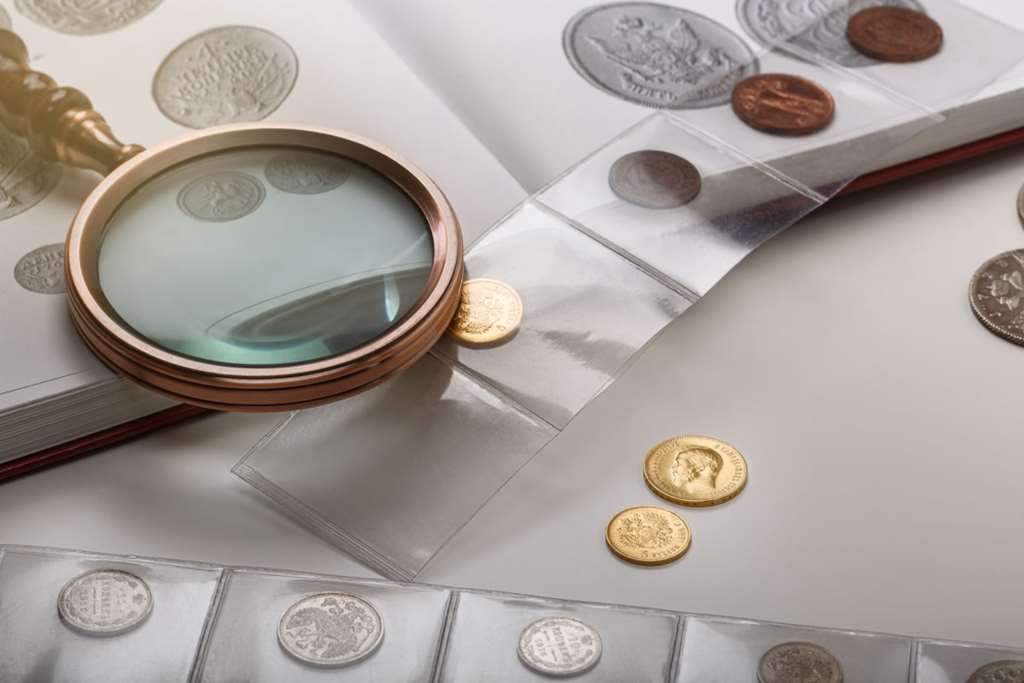
Additionally, collectibles thrive in niche markets. Passionate collectors drive demand, pushing prices higher. My friend’s rare coin collection doubled in value after a surge in numismatic interest. However, success requires patience and expertise. Identifying undervalued items and holding them long-term maximizes returns, making collectibles appealing for savvy investors.
Diversification Benefits
Collectibles offer portfolio diversification, reducing reliance on traditional assets. Unlike stocks or bonds, their value often moves independently of financial markets. During economic downturns, collectibles like gold coins or fine art may hold or increase in value, acting as a hedge.
Moreover, they add a tangible asset to your portfolio. This physical nature provides a sense of security, unlike volatile digital investments. However, diversification requires balance. Over-investing in collectibles can expose you to market whims. Spreading investments across asset classes, as advised by financial experts, ensures stability while leveraging collectibles’ unique benefits.
Personal Enjoyment
Investing in collectibles is fun. Unlike stocks, you can display or use your investments, like showcasing art or wearing vintage watches. This emotional connection enhances their appeal, blending hobby with finance. For me, collecting vinyl records brought joy while their value grew steadily.
Furthermore, passion fuels knowledge. Enthusiasts often research their niche deeply, gaining insights that improve investment decisions. However, emotional attachment can cloud judgment, leading to overpaying. Balancing enjoyment with financial discipline is key to reaping both personal and monetary rewards from collectibles.
Cons of Investing in Collectibles
High Risk and Volatility
Are collectibles a safe alternative investment? Not always. Their value is unpredictable, driven by trends and collector sentiment. A hot item today may plummet tomorrow. For example, Beanie Babies, once a craze, are now nearly worthless. This volatility makes collectibles riskier than bonds.
Additionally, economic shifts impact demand. During recessions, luxury spending drops, affecting collectibles’ prices. My attempt to sell sports cards during a market dip resulted in losses. Thorough research and timing can mitigate risks, but uncertainty remains a significant drawback for cautious investors.
Lack of Liquidity
Collectibles are illiquid, meaning they’re hard to sell quickly without losing value. Unlike stocks, which trade instantly, finding buyers for niche items takes time. Auction houses or online platforms like eBay help, but fees and delays reduce profits.
Moreover, market conditions affect liquidity. If demand for your collectible drops, you may wait months for a fair offer. This lack of flexibility can be frustrating, especially in emergencies. Therefore, collectibles suit long-term investors comfortable with holding assets until the right buyer emerges.
Maintenance and Storage Costs
Collectibles require careful upkeep. Art needs climate-controlled storage, while comics demand protective sleeves. These costs add up, eroding profits. For instance, insuring a valuable watch collection can cost thousands annually, per 2024 insurance data.
Furthermore, improper storage risks damage, slashing value. My neglected vinyl records warped, rendering them unsellable. Professional appraisals and authentication also incur fees, especially for high-value items. Therefore, budgeting for maintenance is essential to protect your investment and avoid unexpected expenses.
How to Invest in Collectibles Safely
Research and Expertise
Knowledge is power when investing in collectibles. Study market trends, historical sales, and authenticity markers. Resources like auction records or industry reports provide valuable insights. For example, Sotheby’s 2023 market analysis highlighted rising demand for contemporary art.
Additionally, connect with experts or collectors’ communities. Their advice can prevent costly mistakes. My early comic investments flopped due to poor research, but joining a collectors’ forum improved my choices. Therefore, dedicating time to learning ensures smarter, safer investments in collectibles.
Set a Budget
Financial discipline is crucial. Set a clear budget to avoid overspending on trendy items. Collectibles’ emotional appeal can tempt impulse buys, but restraint preserves your portfolio. Financial advisors recommend allocating only 5-10% of your wealth to alternative investments.
Moreover, factor in hidden costs like insurance or storage. My budget misstep with coins taught me to plan comprehensively. By sticking to a budget, you minimize risks and maintain balance, ensuring collectibles complement, not dominate, your investment strategy.
Verify Authenticity
Fakes plague the collectibles market. Counterfeit art or sports cards can lead to significant losses. Always verify authenticity through reputable appraisers or certification services like PSA for cards. A 2024 report by Artnet noted a rise in art fraud, underscoring this risk.
Furthermore, buy from trusted sources like established auction houses or verified dealers. My experience with a dubious online seller cost me hundreds. Therefore, prioritizing authenticity safeguards your investment, ensuring you acquire genuine, valuable collectibles.
Conclusion
Are collectibles a safe alternative investment? They offer high returns, diversification, and personal enjoyment, making them attractive for passionate investors. However, risks like volatility, illiquidity, and maintenance costs demand caution. By researching thoroughly, setting budgets, and verifying authenticity, you can mitigate pitfalls. My journey with collectibles taught me that knowledge and discipline are key to success. Whether you’re a hobbyist or investor, weigh the pros and cons carefully. Ready to explore collectibles? Share your thoughts or experiences in the comments below or spread the word by sharing this article!
FAQs
Are collectibles a safe alternative investment for beginners?
Collectibles can be risky for beginners due to volatility and expertise needed. Start small, research thoroughly, and consult experts to minimize losses.
What are the best collectibles to invest in?
Rare coins, fine art, and vintage watches often hold value. However, trends vary, so research market demand before investing.
How do I know if a collectible is authentic?
Use reputable appraisers or certification services like PSA. Buy from trusted dealers or auction houses to ensure authenticity.
Can collectibles protect against inflation?
Some collectibles, like gold coins or art, may hedge against inflation, but their value depends on market demand and economic conditions.
How much should I invest in collectibles?
Limit collectibles to 5-10% of your portfolio, as advised by financial experts, to balance risk and maintain diversification.