


The collectible market is no longer just a hobbyist’s playground—it’s a serious investment vehicle. As traditional investments face volatility, more investors are turning to rare collectibles as an alternative asset class. But the golden question remains: how do you identify valuable collectibles for long-term investment? The answer isn’t always about rarity; it’s a blend of demand, authenticity, condition, and cultural relevance.
Understanding the Psychology Behind Collectibles
Emotions often drive collectible markets. Items tied to nostalgia, history, or pop culture tend to hold more perceived value. For instance, a 1979 Star Wars Boba Fett action figure recently sold for $236,000. Why? Because collectors emotionally associate the toy with a cultural era, making it irreplaceable.
However, emotional value must intersect with market demand. According to Statista, the global collectibles market was valued at over $458 billion in 2023, with continued growth projected. This upward trend underscores one thing—collectibles are becoming legitimate investment vehicles.
Rarity Isn’t Enough: Supply vs. Demand
Many assume rare items are automatically valuable. This is a half-truth. Rarity only increases value when combined with demand. A one-of-a-kind item that no one wants holds no market value. For example, Beanie Babies once fetched thousands during their peak in the late ’90s. Today, many are worthless because the bubble burst once demand evaporated.
A wise investor analyzes trends and evaluates if the collectible has a cult following or growing demand. Using Google Trends and auction results from platforms like Heritage Auctions can help forecast future interest.
Evaluate Condition and Provenance
Condition is everything in the collectibles world. A baseball card graded 10/10 by PSA can sell for 10x the price of a card rated 8/10. The same applies to comic books, vintage watches, and fine art. Scratches, discoloration, or tampering drastically lower value.
Provenance—or the item’s history—is another essential factor. Collectibles with documented ownership by a celebrity or historical figure fetch premiums. Always request authentication certificates, and, when possible, third-party grading.
Categories That Outperform
Certain collectible categories consistently outperform others. Here are some that have shown strong long-term gains:
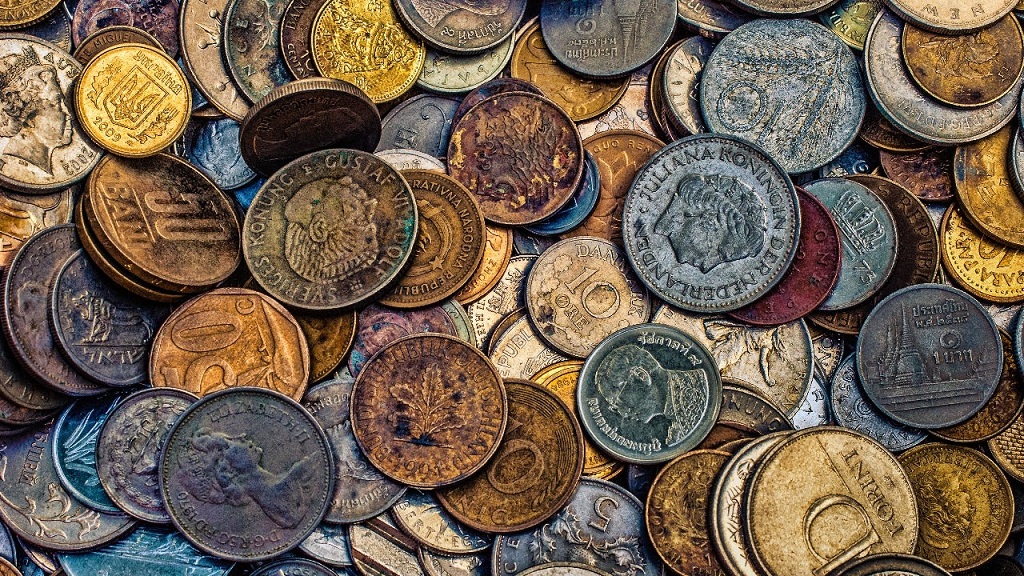
- Rare Coins and Bullion: Numismatic coins often appreciate in value due to historical relevance and precious metal content.
- Vintage Watches: Brands like Rolex and Patek Philippe retain or grow in value. A 1971 Rolex Daytona sold for over $1 million at auction.
- Sports Memorabilia: Michael Jordan’s game-worn jersey fetched $10.1 million in 2022.
- Comics and Cards: A copy of Action Comics No. 1 sold for $3.2 million.
- Classic Cars: Vintage Ferraris and Porsches continue to rise in auction prices.
Each category has its own ecosystem and set of variables. Deep knowledge is crucial, so specialize in one or two sectors to avoid costly mistakes.
Expert Tips: How to Identify Valuable Collectibles
Identifying valuable collectibles involves a structured approach:
- Research Extensively: Follow niche blogs, forums, and social channels. Platforms like Reddit and Collectors Weekly offer invaluable insights.
- Monitor Auction Sales: Sites like Sotheby’s provide real-time data on what collectors are paying.
- Authenticate Everything: Use services like PSA, Beckett, or CGC for grading and authenticity.
- Network with Experts: Join collector groups, attend trade shows, and engage with seasoned investors.
Professional collectors often state that the best deals are found through relationships, not just listings.
The Power of Timing
Just like stock markets, collectibles have cycles. The comic book market saw exponential growth during the COVID-19 lockdown as people reconnected with childhood passions. Knowing when to buy—and when to hold—is crucial.
Additionally, pop culture events can drive value. For example, the release of a new Marvel film can spike interest in related memorabilia. Long-term investors should monitor upcoming events to anticipate price movements.
Tech-Driven Tools for Collectible Investors
Technology is changing the game. Platforms like Alt, Rally, and Otis allow fractional investing in collectibles. AI-based pricing tools like Card Ladder and Market Movers help track values and trends. Blockchain and NFTs also add new dimensions to provenance and ownership tracking.
These tools give average investors access to markets once reserved for high-net-worth individuals.
Featured Snippet: How Can You Tell if a Collectible is a Good Investment?
The key to identifying a valuable collectible lies in its authenticity, demand, condition, and cultural relevance. Start by researching its historical performance using auction results and price guides. Authenticate the item through a third-party service to confirm its legitimacy. Examine the market demand through social media buzz, collector forums, and recent sales. Finally, consider its long-term cultural relevance. Items associated with enduring brands, iconic events, or influential people often retain or gain value over time. As a rule of thumb, invest only in what you understand, and avoid hype-driven purchases.
FAQs
What are the safest collectibles to invest in long term?
Rare coins, fine art, luxury watches, and vintage comic books are among the most stable long-term assets.
How do I start collecting with a limited budget?
Start small. Focus on niche markets, attend local auctions, and prioritize condition over quantity.
Is grading necessary for collectibles?
Yes. Grading provides authenticity and value estimation, helping you avoid scams and improve resale potential.
Where can I sell valuable collectibles?
Auction houses, collector forums, eBay, and platforms like Heritage Auctions or Sotheby’s are great places.
What drives collectible value more: rarity or popularity?
Both matter, but popularity (demand) usually trumps rarity when it comes to market value.
How do I store collectibles safely?
Use climate-controlled storage, acid-free materials, and UV-resistant display cases to prevent damage.
Can collectibles be insured?
Absolutely. Specialized insurers like Collectibles Insurance Services offer coverage tailored for rare items.
Read More Also: How to Stay Calm During Market Volatility
Final Thought
Identifying valuable collectibles for long-term investment is part science, part art. It demands a blend of research, passion, and patience. While the market offers immense upside, it’s also riddled with hype and misinformation. By focusing on condition, demand, provenance, and timing, investors can turn seemingly trivial items into generational wealth. As with all investments, diversification and due diligence remain critical. So whether it’s a vintage Rolex or a mint-condition comic book, know what you own—and why it matters.