

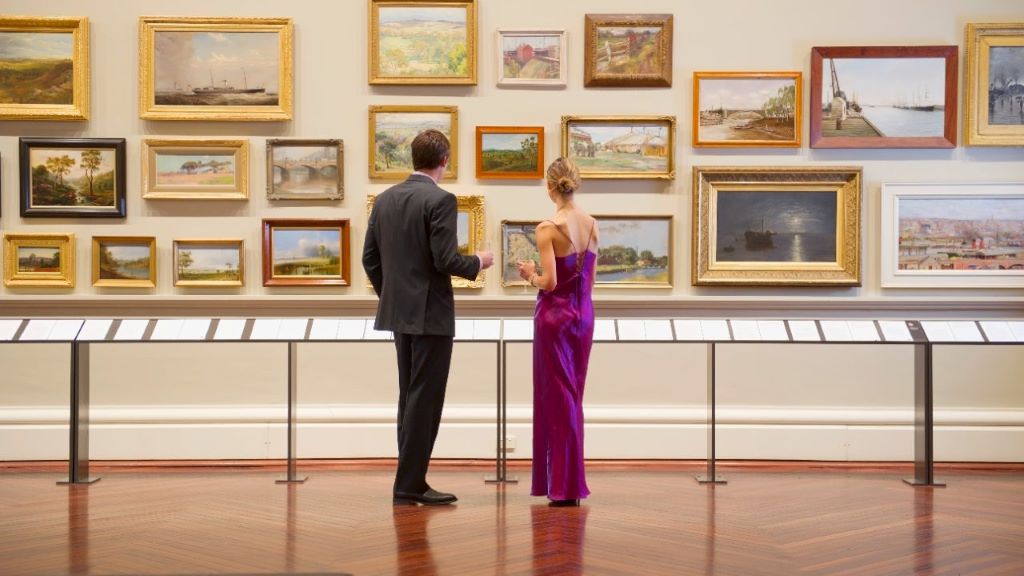
Art has long been more than just a source of beauty; it is a powerful investment vehicle that continues to attract savvy investors worldwide. Over the last decade, the global art market has shown resilience, with a 7% increase in sales in 2023 alone, reaching an estimated $70 billion according to the Art Basel and UBS Global Art Market Report. This growth presents unique opportunities for those interested in investing in art: how to buy, sell, and profit from fine art effectively.
Why Invest in Art?
Unlike stocks or bonds, fine art offers both aesthetic enjoyment and financial gain. Art can serve as a hedge against inflation and market volatility because its value often appreciates independently of traditional markets. Moreover, investing in art diversifies a portfolio, reducing overall risk. However, unlike traditional investments, art requires a deep understanding of market trends, artist reputations, and provenance.
Some experts argue art is a luxury good whose prices can be volatile. For example, Christie’s auction house reported a staggering $1 billion sale for a single piece by Beeple, highlighting the booming digital and contemporary art markets. On the other hand, critics warn about the illiquidity of art investments and the high costs involved in maintenance and insurance.
How to Buy Fine Art
Purchasing art is not just about picking what looks good. To make profitable investments, collectors should follow several key steps:
- Research Artists and Trends: Start with emerging artists or established names showing steady appreciation. Websites like Artsy and Sotheby’s provide valuable market insights.
- Evaluate Provenance and Authenticity: Confirm artwork provenance to avoid counterfeits. Documentation and expert appraisals are essential.
- Buy Through Reputable Channels: Galleries, auction houses, and art fairs are the safest places. Online platforms are rising but come with risks.
- Consider Condition and Restoration Costs: Condition affects resale value significantly. Budget for restoration when needed.
- Understand Market Cycles: Art markets fluctuate; for example, post-pandemic, contemporary art saw an explosion in demand.
Additionally, diversification is crucial even within art investments. Investing across different styles and periods can hedge risks better than focusing on a single niche.
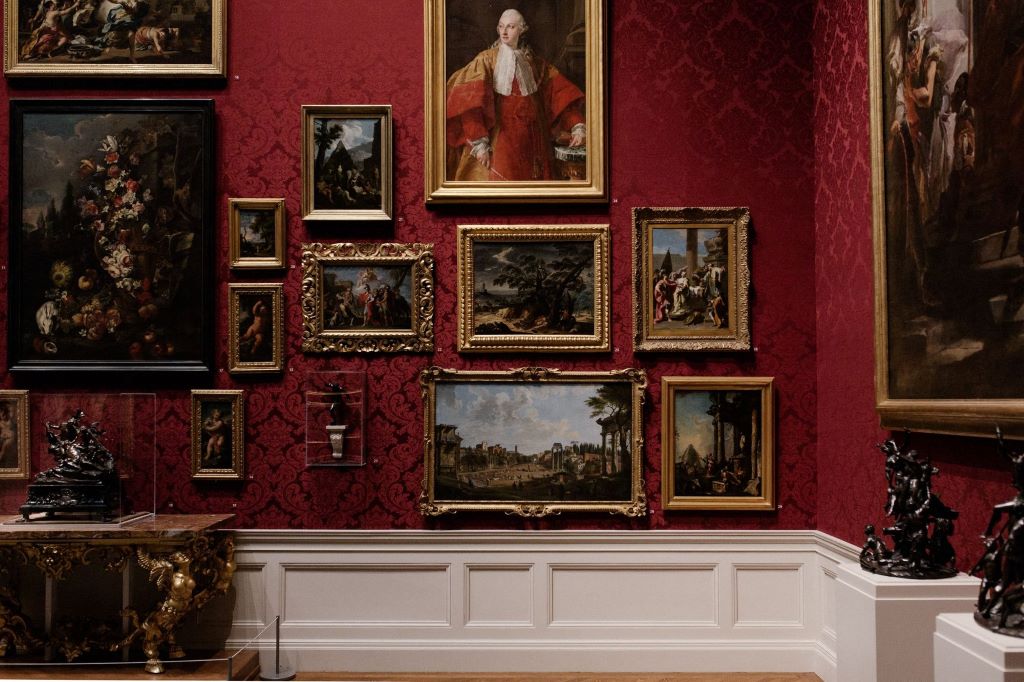
How to Sell Art for Maximum Profit
Selling art profitably requires timing, knowledge, and strategic planning. Here are proven tips:
- Choose the Right Platform: High-end art sells best through major auction houses like Sotheby’s or Christie’s, while mid-tier pieces might perform better in galleries or online.
- Timing is Everything: Sell during market peaks or when an artist gains popularity to maximize value.
- Leverage Marketing and Provenance: Present detailed provenance and market history to build trust with buyers.
- Use Expert Appraisals: Certified appraisals justify pricing and increase buyer confidence.
- Stay Updated on Market Trends: Monitor shifts like the rising interest in NFTs and digital art, which have transformed traditional markets.
According to the TEFAF Art Market Report, sellers who invest in professional marketing and legal advice often outperform others by 15-20% in sale prices. Therefore, employing experts can significantly increase profits.
Profiting from Fine Art: Strategies That Work
Profiting from art isn’t just about buying low and selling high. It involves understanding the nuances of the art world, including artist reputation, art history, and market psychology.
One successful approach is investing in blue-chip artists—those whose work consistently appreciates. For instance, artworks by Picasso or Warhol have increased in value over decades. Alternatively, investing in emerging artists offers high reward potential but comes with higher risks.
Art flipping, or buying and quickly reselling for profit, is popular but demands acute market awareness and connections. Long-term holding allows appreciation and tax advantages in some regions.
Additionally, art investment funds have emerged, enabling diversification without owning physical pieces, making art accessible to more investors.
Expert Tips on Investing in Art
- Build relationships with gallery owners and auctioneers; insider knowledge often leads to better deals.
- Keep a close eye on auction results for similar works.
- Document every transaction meticulously for tax and resale purposes.
- Consider art insurance and secure storage to protect your assets.
- Follow major art fairs like Art Basel to spot trends and network.
Featured Snippet
How can I start investing in art and ensure I make a profit?
Start by researching artists whose works show steady appreciation and buy through reputable galleries or auction houses. Confirm provenance and authenticity before purchase. Diversify your investments across different styles and periods to reduce risk. When selling, time the market carefully and use expert appraisals to maximize profit. Networking with industry professionals and staying updated on market trends are key to success.
Frequently Asked Questions
- Is investing in art a safe investment?
Art can diversify your portfolio but carries risks such as illiquidity and market fluctuations. - How do I verify an artwork’s authenticity?
Use expert appraisals, provenance documentation, and consult galleries or auction houses. - What is the best way to sell fine art?
Choose reputable auction houses or galleries and consider timing market demand. - Can I invest in art without buying physical pieces?
Yes, through art investment funds and fractional ownership platforms. - How long should I hold art before selling?
Typically, a longer hold period increases value; however, market conditions can justify quicker sales. - Are there tax benefits to investing in art?
Some jurisdictions offer capital gains advantages for long-term art investments. - What are the costs involved in art investment?
Besides purchase price, include insurance, storage, restoration, and transaction fees.
Final Thought
Investing in art blends passion with financial savvy, offering unique rewards for those willing to learn the market’s complexities. The path to profit requires thorough research, expert guidance, and strategic buying and selling. By understanding artist reputations, market cycles, and leveraging proven selling platforms, investors can unlock significant returns. Art’s intangible allure, combined with its potential as a financial asset, makes it a compelling investment worth exploring. For anyone ready to dive in, the art market’s evolving landscape promises both challenges and exciting opportunities.