


A poor credit score can feel like a financial death sentence. In the United States, over 30 percent of adults have credit scores below 600, which lenders often view as high risk. In Bangladesh, where credit systems are rapidly evolving, many individuals also face similar challenges. The good news is that credit repair is always possible with the right strategy and discipline.
Understand the Root Causes of Your Credit Damage
The first step in fixing your credit is identifying what went wrong. Late payments, high credit card balances, and collections are common culprits. Each of these issues impacts your credit score differently, so it is important to pinpoint the exact problems.
For example, a single 30-day late payment can drop your score by 100 points or more. Collections and charge-offs have an even greater impact. Review your credit reports from all three major bureaus to see what is dragging your score down.
In some cases, errors on your credit report may be to blame. A study by the Federal Trade Commission found that one in five consumers had an error on at least one of their credit reports. Disputing these inaccuracies can provide a quick boost to your score.
Understanding the root causes helps you address the right issues. If overspending led to high balances, you will need to adjust your budget. If job loss caused missed payments, you may need to negotiate with creditors or seek hardship programs.
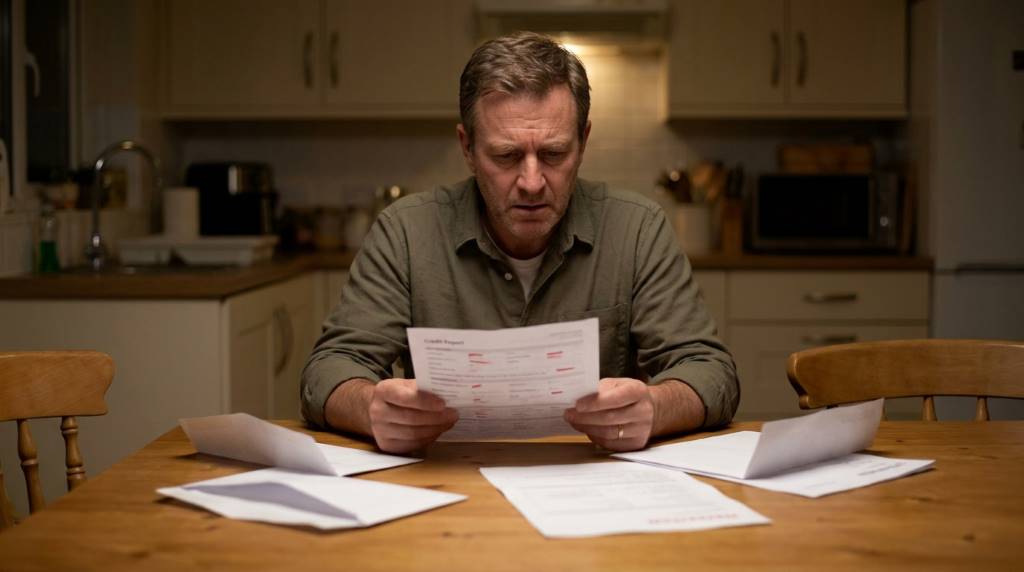
Check Your Credit Reports for Errors
Your credit reports are the foundation of your credit score. Errors on these reports can unfairly lower your score. Start by obtaining free copies of your reports from AnnualCreditReport.com. You are entitled to one free report from each bureau every 12 months.
Look for inaccuracies such as accounts that are not yours, incorrect payment histories, or duplicate entries. If you find errors, file a dispute with the credit bureau reporting the mistake. The bureau has 30 days to investigate and respond.
In addition to disputing errors, check for outdated information. Most negative items, like late payments or collections, should fall off your report after seven years. Bankruptcies typically remain for seven to ten years, depending on the type.
Regularly monitoring your credit reports ensures you catch errors early. Many credit card companies and banks offer free credit monitoring tools. Use these resources to stay on top of changes to your report.
Create a Plan to Pay Off Debts Strategically
Paying off debt is one of the most effective ways to improve your credit score. Start by listing all your debts, including credit cards, loans, and collections. Note the balance, interest rate, and minimum payment for each.
Focus on high-interest debts first, as they cost you the most over time. This approach, known as the avalanche method, saves you money on interest. Alternatively, the snowball method involves paying off the smallest debts first for quick wins.
If your debts feel overwhelming, consider negotiating with creditors. Many will accept a settlement for less than the full amount. Be sure to get any agreement in writing and understand how it will affect your credit report.
For those struggling with cash flow, tools like the cash flow adequacy ratio can help you assess your ability to meet financial obligations. This metric provides insight into whether your income is sufficient to cover your debts.
Negotiate with Creditors for Better Terms
Creditors often prefer to receive some payment rather than none at all. If you are behind on payments, reach out to your creditors to discuss your situation. Many offer hardship programs that temporarily lower your interest rate or reduce your minimum payment.
When negotiating, be honest about your financial struggles. Explain your circumstances and propose a realistic payment plan. Creditors may be more willing to work with you if they see you are making an effort to resolve the issue.
If you have accounts in collections, ask the collection agency if they will accept a “pay for delete” agreement. In this arrangement, you pay the debt in exchange for the agency removing the collection from your credit report. Not all agencies agree to this, but it is worth asking.
Remember that any agreement should be documented in writing. Verbal agreements are not enforceable, so always get the terms in writing before making a payment.
Use Secured Credit Cards to Rebuild Credit
Secured credit cards are a great tool for rebuilding credit. These cards require a cash deposit, which serves as your credit limit. Because the deposit reduces the risk for the lender, secured cards are often available to people with poor or no credit.
To maximize the benefits, use the card responsibly. Make small purchases each month and pay the balance in full and on time. This demonstrates to lenders that you can manage credit responsibly.
Over time, your positive payment history will be reported to the credit bureaus, helping to improve your score. Some secured card issuers may also upgrade you to an unsecured card after a period of responsible use.
When choosing a secured card, compare fees and interest rates. Some cards charge annual fees or high interest rates, so it is important to pick one that fits your budget.
Become an Authorized User
If you have a family member or friend with good credit, ask if they will add you as an authorized user on one of their credit cards. As an authorized user, you can benefit from their positive payment history, which can help boost your score.
However, it is important to choose someone who uses credit responsibly. If the primary cardholder misses payments or carries a high balance, it could negatively impact your credit as well.
Before becoming an authorized user, confirm that the credit card issuer reports authorized user activity to the credit bureaus. Not all issuers do, so this step is crucial for the strategy to work.
This approach is particularly useful for those with limited credit history. It allows you to build credit without the responsibility of managing your own card.
Keep Credit Utilization Low
Credit utilization, or the percentage of your available credit that you are using, is a major factor in your credit score. Experts recommend keeping your utilization below 30 percent, but lower is even better. For example, a utilization rate of 10 percent or less can have a positive impact on your score.
To lower your utilization, pay down existing balances and avoid maxing out your credit cards. If you have a high balance on one card, consider transferring some of the debt to another card with available credit.
Another way to improve your utilization is to request a credit limit increase. If your issuer approves the request, your utilization ratio will decrease, assuming your balance stays the same. However, be cautious not to spend the additional available credit.
Monitoring your credit utilization is easy with free tools from many credit card issuers. These tools allow you to track your spending and ensure you stay within the recommended range.
Build Positive Credit History Over Time
Rebuilding credit is not an overnight process. It takes time to establish a history of responsible credit use. Consistency is key, so focus on making on-time payments and keeping your balances low.
If you have old accounts in good standing, keep them open. The length of your credit history accounts for 15 percent of your credit score. Closing old accounts can shorten your history and lower your score.
Additionally, avoid opening too many new accounts at once. Each new application results in a hard inquiry, which can temporarily lower your score. Only apply for new credit when you truly need it.
Over time, your positive habits will outweigh past mistakes. Most negative items, such as late payments or collections, will eventually fall off your credit report, giving your score a natural boost.
Consider Credit Counseling or Debt Management Plans
If you are struggling to manage your debts on your own, credit counseling may be a helpful resource. Nonprofit credit counseling agencies offer free or low-cost advice on budgeting, debt management, and credit repair.
A credit counselor can review your financial situation and help you create a personalized plan. They may also recommend a debt management plan, which consolidates your debts into a single monthly payment. This can simplify your finances and potentially lower your interest rates.
However, be cautious of for-profit credit repair companies. Many charge high fees and make promises they cannot keep. Stick with reputable nonprofit organizations that are accredited by the National Foundation for Credit Counseling.
For business owners, scaling operations with a tiny team can free up resources to focus on personal credit repair. Efficient business practices can improve cash flow, making it easier to manage personal debts.
Avoid Common Mistakes That Hurt Credit Repair
While repairing your credit, it is important to avoid actions that can set you back. One common mistake is missing payments on new accounts. Even one late payment can undo months of progress.
Another mistake is closing old accounts. As mentioned earlier, the length of your credit history matters. Closing an old account can shorten your history and increase your credit utilization if you carry balances on other cards.
Applying for too many new accounts in a short period can also hurt your score. Each application results in a hard inquiry, which can lower your score by a few points. Only apply for new credit when necessary.
Finally, avoid ignoring collections or charge-offs. While paying off these accounts may not immediately remove them from your credit report, it can prevent further damage and improve your chances of approval for future credit applications.
Unique Strategy: Leverage Digital Tools for Credit Repair
In today’s digital age, technology can be a powerful ally in your credit repair journey. Many apps and online tools are designed to help you monitor your credit, track your spending, and manage your debts more effectively.
For example, some apps provide personalized recommendations for improving your credit score. They analyze your credit report and suggest actions, such as disputing errors or paying down specific debts, to maximize your score improvement.
Automated payment tools can also help you stay on track. Set up automatic payments for at least the minimum amount due on all your accounts. This ensures you never miss a payment, which is critical for rebuilding credit.
Additionally, consider using budgeting apps to manage your finances. These tools help you track your income and expenses, making it easier to allocate funds toward debt repayment. Some even offer features like debt payoff calculators to help you plan your strategy.
For those planning for the future, tools like digital asset inheritance planning can ensure your financial legacy is secure. While this may seem unrelated to credit repair, organizing your financial affairs can provide peace of mind and stability as you work to improve your credit.
Conclusion: Take Action Today to Rebuild Your Credit
Repairing severely damaged credit is a journey that requires patience, discipline, and a clear plan. Start by understanding the root causes of your credit issues and checking your credit reports for errors. From there, create a strategic plan to pay off debts, negotiate with creditors, and use tools like secured credit cards to rebuild your score.
Remember that every positive action you take brings you one step closer to financial health. Whether it is making an on-time payment, paying down a balance, or disputing an error, each step matters. Over time, your efforts will pay off, and you will see your credit score improve.
Do not let past mistakes define your financial future. Take the first step today by reviewing your credit reports and creating a plan. With persistence and the right strategies, you can fix your credit and open the door to new opportunities.
Frequently Asked Questions
How long does it take to repair severely damaged credit?
Repairing severely damaged credit typically takes 12 to 24 months of consistent, responsible financial behavior.
Can I remove negative items from my credit report?
You can dispute inaccurate negative items, but accurate information will remain for up to seven years.
Will paying off collections improve my credit score?
Paying off collections may not remove them from your report, but it can prevent further damage and improve future approval odds.
What is a good credit utilization ratio?
A credit utilization ratio below 30 percent is good, but keeping it under 10 percent is ideal for maximizing your score.
Are credit repair companies worth it?
Nonprofit credit counseling agencies can be helpful, but avoid for-profit companies that charge high fees for services you can do yourself.