

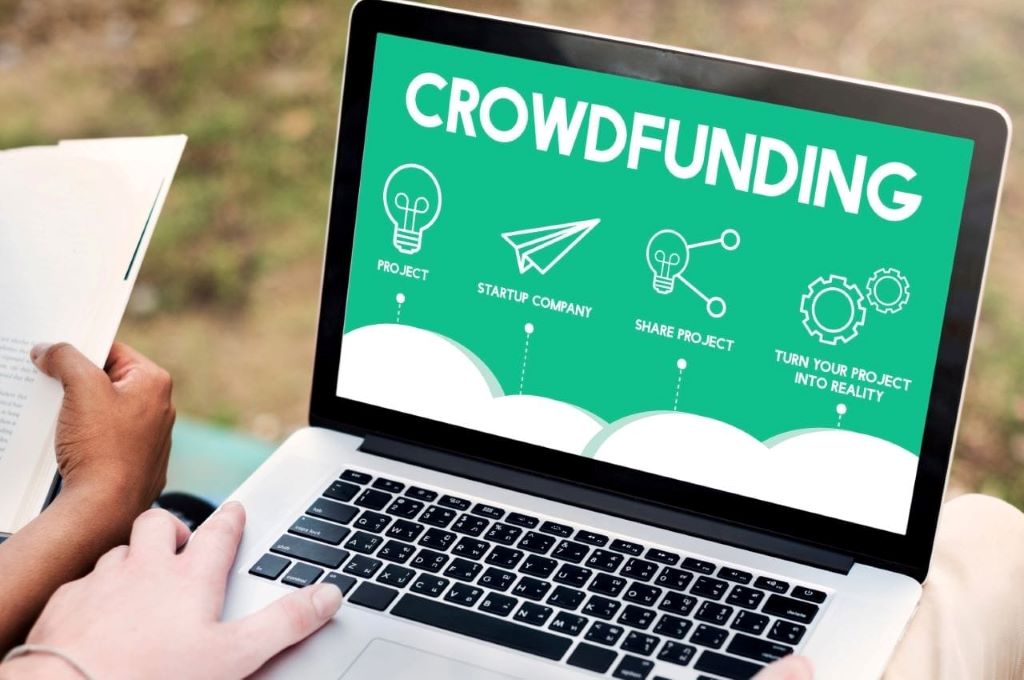
Crowdfunding has revolutionized how individuals, entrepreneurs, and organizations bring their ideas to life. By harnessing the collective support of many, it offers a democratic alternative to traditional funding methods. In 2025, crowdfunding continues to thrive, contributing over $1 billion to the U.S. economy alone, with the average campaign raising nearly $8,000 (Shopify Crowdfunding). This 2,000-word guide explores what crowdfunding is, how it works, best practices for success, alternatives, pros and cons, real-world examples, and answers to common questions, empowering you to decide if crowdfunding is right for your next big project.
What is Crowdfunding?
Crowdfunding is the practice of raising small amounts of money from a large number of people, typically through online platforms, to fund a project, business, or cause. It allows creators to connect directly with supporters, bypassing traditional gatekeepers like banks or venture capitalists. As noted by Investopedia, crowdfunding leverages social media and websites to expand the pool of potential investors beyond conventional circles.
The concept gained traction after the 2008 financial crisis when small businesses struggled to secure credit, prompting innovative funding solutions. Today, platforms like Kickstarter, GoFundMe, and Indiegogo host millions of campaigns, from creative projects to tech startups. The global crowdfunding market was valued at $1.17 billion in 2023 and is projected to reach $1.27 billion by 2028 (Statista).
How Crowdfunding Works
Crowdfunding involves four key players: the project initiator, the crowd of backers, the platform, and the payment processor. The process typically follows these steps:
- Campaign Creation: The initiator sets up a campaign on a platform, detailing the project, funding goal, timeline, and incentives (e.g., rewards or equity).
- Promotion: The campaign is shared via social media, email, and other channels to attract backers.
- Funding: Supporters contribute money, often in small amounts, to help reach the goal.
- Fulfillment: If the campaign succeeds (in “all-or-nothing” models), funds are transferred to the initiator, minus platform fees, and they deliver on promises to backers.
There are four main types of crowdfunding, each suited to different needs:
|
Type |
Description |
Example Platform |
| Donation-Based | Backers donate without expecting returns, often for charitable causes. | GoFundMe |
| Reward-Based | Backers receive non-monetary rewards, like products or experiences. | Kickstarter |
| Equity-Based | Backers receive shares or ownership in the company. | Wefunder |
| Lending-Based | Backers lend money, expecting repayment with interest. | LendingClub |
Each type caters to specific goals, from nonprofit fundraising to business expansion.
Best Practices for Crowdfunding
A successful crowdfunding campaign requires strategic planning and execution. Based on insights from the Rhode Island Small Business Development Center, here are 11 key practices:
- Frontload Your Campaign: Secure commitments from backers before launch. Campaigns reaching 30% of their goal in the first week are more likely to succeed (Fundable).
- Tell a Great Story: Craft an emotional narrative that highlights the problem your project solves and why it’s unique.
- Make a Great Video: A well-produced video can boost funding by up to 4x (Indiegogo).
- Look Professional: Use high-quality images, videos, and polished copy to build trust.
- Be Detailed and Specific: Clearly outline how funds will be used and set realistic goals.
- Reward Backers: Offer compelling perks, such as discounts or exclusive access.
- Offer Multiple Price Points: Include options from $1 to thousands to accommodate all budgets.
- Spread the Word: Promote through social media, email blasts, and personal networks.
- Communicate Regularly: Post at least four updates to keep backers engaged (Indiegogo).
- Prepare for the End: Manage expectations and deliver on promises to maintain credibility.
- Study Successful Campaigns: Learn from examples like Nest Houseware ($35,530 raised) or Whaler’s Brewing ($3,229 over goal).
Additional tips include setting SMART goals (Specific, Measurable, Achievable, Realistic, Timely), building a community pre-launch, and offering exclusive perks to create a sense of urgency.

Alternatives to Crowdfunding
Crowdfunding isn’t the only way to raise funds. Depending on your project, these alternatives may be more suitable:
|
Alternative |
Description |
Best For |
| Traditional Bank Loans | Secured or unsecured loans from banks or credit unions. | Established businesses |
| Venture Capital | Equity investment from firms for high-growth startups. | Scalable tech startups |
| Angel Investing | Funding from high-net-worth individuals. | Early-stage businesses |
| SBA Loans | Government-backed loans for small businesses. | Small businesses |
| Peer-to-Peer Lending | Borrowing from individuals via online platforms. | Businesses with credit history |
| Grants | Non-repayable funds from governments or organizations. | Nonprofits, research projects |
| Bootstrapping | Using personal savings or revenue to fund growth. | Early-stage startups |
| Invoice Financing | Using unpaid invoices as collateral for loans. | Businesses with B2B clients |
| Merchant Cash Advances | Lump sum in exchange for future sales percentages. | Retail businesses |
Each option has unique requirements, such as collateral for loans or equity for investors, making them better suited to specific scenarios.
Pros and Cons of Crowdfunding
Crowdfunding offers significant benefits but also comes with challenges. Here’s a breakdown:
Pros:
- Access to Diverse Investors: Reach a global audience beyond traditional investors (Investopedia).
- Market Validation: Test public interest in your idea before full-scale production.
- Community Building: Engage potential customers and build a loyal base.
- No Equity Sacrifice (in some models): Reward-based crowdfunding avoids giving up ownership.
Cons:
- Reputation Risk: Failure to meet goals or deliver can harm your reputation.
- Platform Fees: Typically 5-12% of funds raised, plus payment processing fees.
- All-or-Nothing Risk: In some models, you receive nothing if the goal isn’t met.
- Time-Intensive: Requires significant effort to promote and manage.
Weighing these factors can help determine if crowdfunding aligns with your goals.
Successful Crowdfunding Campaigns
Crowdfunding has launched iconic projects. Here are notable examples from the Wikipedia List of Highest-Funded Projects:
- Star Citizen: A space combat video game that raised over $800 million, driven by a passionate community and ongoing updates.
- The Chosen: A TV series about Jesus Christ, raising over $68 million through faith-based storytelling (Angel Studios).
- The David Movie: An animated film about the Biblical David, raising $52 million with a compelling narrative.
- Brandon Sanderson’s Cosmere RPG: A tabletop game that raised $15 million, leveraging Sanderson’s fanbase.
These campaigns succeeded due to strong storytelling, engaged communities, and strategic marketing.
Reviews and Case Studies
Real-world campaigns offer valuable lessons:
- Pebble Time: A smartwatch that raised $20 million on Kickstarter. Its success stemmed from innovative features and direct backer engagement.
- Coolest Cooler: A multifunctional cooler that raised $13 million, solving a common problem with creative rewards.
These cases highlight the importance of addressing real needs and offering tangible benefits.
Frequently Asked Questions
-
What are the different types of crowdfunding?
Donation-based, reward-based, equity-based, and lending-based, each suited to specific goals.
-
How do I choose the right crowdfunding platform?
Evaluate the platform’s fees, audience, and features based on your project type.
-
What are the legal considerations for crowdfunding?
Equity crowdfunding involves securities laws, requiring compliance (SEC).
-
How can I make my crowdfunding campaign successful?
Focus on storytelling, professional visuals, community engagement, and clear goals.
-
What are the fees associated with crowdfunding?
Platform fees range from 5-12%, plus 3-5% for payment processing.
-
Is crowdfunding right for my project or business?
It’s ideal for projects with strong community appeal but requires significant effort.
-
How does equity crowdfunding work?
Investors receive company shares, subject to regulatory oversight.
Conclusion
Crowdfunding empowers creators to turn ideas into reality by tapping into the power of the crowd. While it offers unique opportunities for funding and engagement, it demands careful planning and execution. By following best practices, weighing alternatives, and learning from successful campaigns, you can determine if crowdfunding is the right path for your project. Your next big idea could be just one campaign away from success.
Read More: