

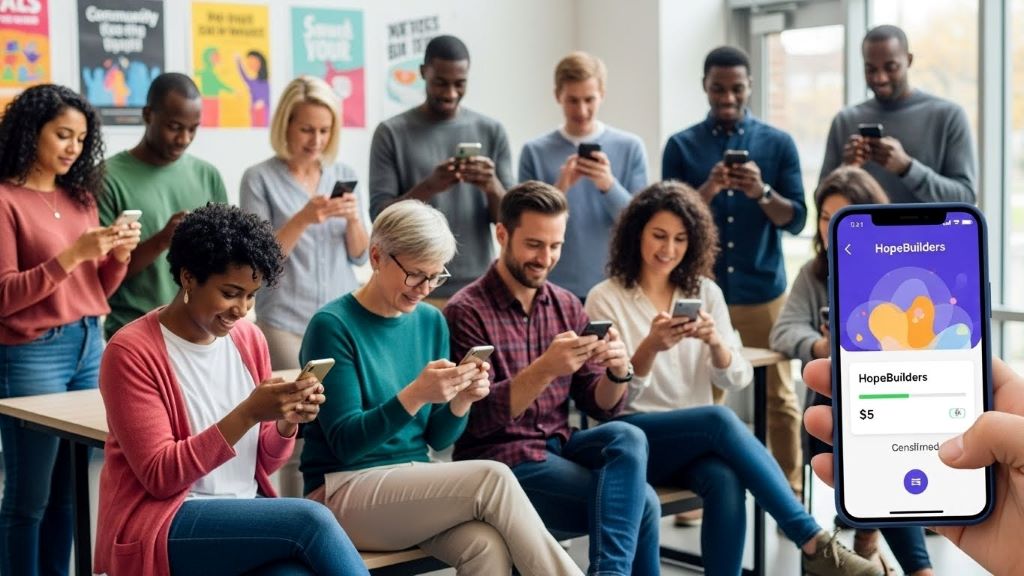
Crowdfunding has changed how nonprofits raise money. Small donations from many people can add up quickly. However, getting lots of micro-donations requires smart strategies. This guide shows you how to scale your nonprofit’s micro-donation campaigns effectively.
Understanding Micro-Donations in Nonprofit Crowdfunding
Micro-donations are small gifts, usually under twenty-five dollars. These contributions seem tiny on their own. Nevertheless, they create powerful results when combined. Think of it like drops of water filling a bucket. One drop doesn’t matter much. Thousands of drops create something substantial.
Many nonprofits overlook micro-donations. They chase big checks from wealthy donors instead. This approach misses a huge opportunity. Millions of people want to help causes they care about. They just can’t afford large donations. Therefore, micro-donations open doors to entirely new supporter bases.
Additionally, micro-donors often become loyal advocates. They share your cause with friends and family. This organic growth costs nothing but creates tremendous value.
Building a Strong Digital Foundation
Your online presence determines your crowdfunding success. People won’t donate if they can’t find you easily. Start by creating a mobile-friendly website. Most donors browse on their phones. A clunky mobile experience kills donations instantly.
Next, claim your nonprofit’s profiles on major social platforms. Facebook, Instagram, and Twitter remain essential. However, don’t spread yourself too thin. Choose platforms where your audience actually spends time.
Your donation page needs special attention. Remove unnecessary fields from forms. Every extra click reduces completion rates. Make the giving process ridiculously simple. People should donate in under sixty seconds.
Furthermore, ensure your payment system accepts multiple options. Credit cards, PayPal, Venmo, and Apple Pay should all work smoothly. The easier you make it, the more donations you’ll receive.
Leveraging Social Media for Maximum Reach
Social media amplifies your message for free. Start by posting consistently. Share stories about the people you help. Show the real impact of donations. Numbers matter less than emotional connections.
Use video content whenever possible. Short clips perform better than text posts. Film beneficiaries sharing their experiences. Record volunteers explaining why they care. Authentic stories resonate deeply with potential donors.
Additionally, engage with your followers regularly. Respond to comments and messages quickly. Thank people publicly for their support. This interaction builds community around your cause.
Hashtags expand your reach beyond existing followers. Research popular tags related to your mission. However, don’t overdo it. Three to five relevant hashtags per post work best.
Creating Urgency Without Pressure
Urgency motivates action. Nevertheless, you must create it ethically. Matching gift campaigns work wonderfully for this purpose. Announce that a major donor will match all contributions up to a certain amount. This doubles the impact of every micro-donation.
Time-limited campaigns also drive results. A seventy-two hour giving blitz creates excitement. People don’t want to miss out on being part of something special. Therefore, they donate quickly rather than procrastinating.
Challenge-based fundraising adds competitive fun to giving. Encourage supporters to create personal fundraising pages. They compete to raise the most money. This peer-to-peer approach reaches entirely new networks.
According to research from The Chronicle of Philanthropy, creating specific goals and deadlines significantly increases donation rates. Supporters want to know exactly what their contribution achieves.
Storytelling That Converts Browsers Into Donors
Stories create emotional connections. Facts alone rarely inspire action. Share specific examples of individuals your organization has helped. Use their real names and photos when permitted.
Structure your stories with a clear beginning, middle, and end. Describe the problem someone faced. Explain how your organization intervened. Show the positive outcome that resulted. This narrative arc keeps readers engaged.
However, avoid making stories too complex. Simple language works best. Write at an eighth-grade reading level. Short sentences maintain momentum. Mix sentence lengths to create rhythm.
Additionally, end every story with a clear call to action. Tell readers exactly what you want them to do next. Don’t assume they’ll figure it out on their own.
Optimizing Donation Amounts and Suggestions
The amounts you suggest influence giving levels. Most platforms let you preset donation buttons. Choose these carefully. Research shows that suggested amounts anchor donor expectations.
Offer a range of micro-donation options. Include five, ten, fifteen, and twenty-five dollar buttons. However, don’t make the smallest option too low. Three dollar suggestions can actually reduce average gifts.
Furthermore, explain what each amount accomplishes. Say “Ten dollars provides school supplies for one child” rather than just listing numbers. Concrete outcomes make donations feel more meaningful.
Monthly recurring donations deserve special emphasis. A ten dollar monthly gift equals one hundred twenty dollars annually. That’s substantial. Therefore, make recurring options prominent and easy to select.
Email Marketing Strategies for Micro-Donation Growth
Email remains incredibly effective for fundraising. Build your list consistently. Add signup forms to your website and social profiles. Offer something valuable in exchange for email addresses. A free downloadable guide or impact report works well.
Segment your email list by donor behavior. Send different messages to first-time givers versus loyal supporters. Personalization increases engagement dramatically.
Keep emails concise and scannable. Most people skim rather than read thoroughly. Use short paragraphs and clear headings. Get to the point quickly.
Additionally, test different subject lines and sending times. Small changes can significantly impact open rates. What works for one organization might flop for another. Therefore, continuous testing reveals what resonates with your specific audience.
According to NonProfit PRO, nonprofits that send personalized email campaigns see donation rates increase by up to twenty-six percent compared to generic messages.
Gamification and Interactive Elements
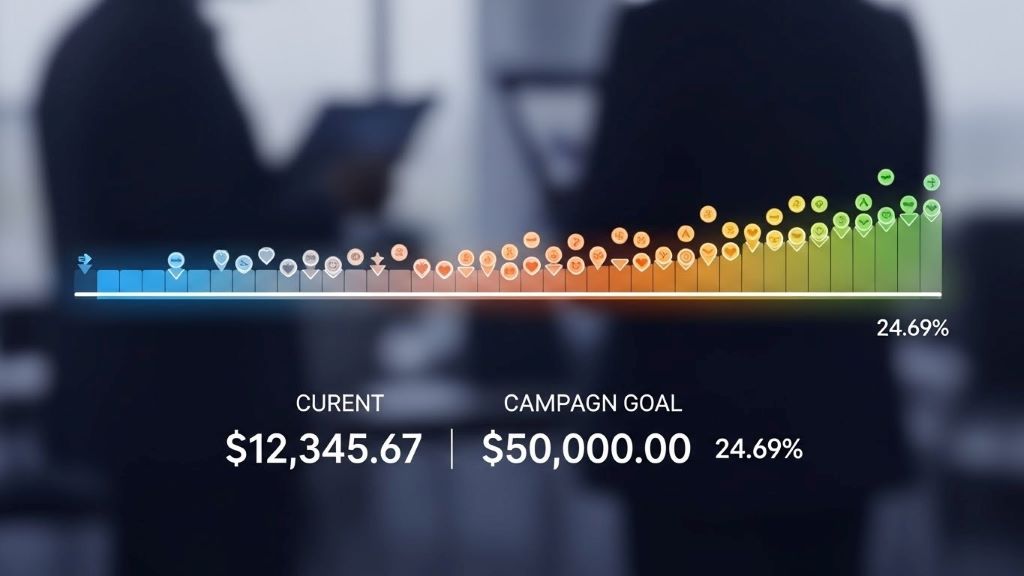
Gamification makes giving fun. Progress bars showing fundraising goals create excitement. People want to help push the bar to completion. Update these visuals in real time for maximum impact.
Leaderboards encourage friendly competition among supporters. Display top fundraisers publicly. However, celebrate everyone’s contributions. Even the smallest donation deserves recognition.
Digital badges reward different achievement levels. Create tiers like “Bronze Supporter” and “Silver Champion” based on cumulative giving. People enjoy earning these distinctions. They also share them on social media, spreading awareness organically.
Interactive calculators let potential donors see their impact. Show how twelve dollars feeds a family for one day. Demonstrate how sixty dollars provides clean water for a month. This transparency builds trust and motivates action.
Transparency and Trust Building
Trust determines whether people open their wallets. Share financial information openly. Show exactly how donations get spent. Break down administrative costs versus program expenses.
Publish regular impact reports. Include specific numbers and real outcomes. How many people did you serve last quarter? What changed in their lives? Concrete data proves your effectiveness.
Furthermore, respond to questions and concerns quickly. Some potential donors want more information before giving. Make yourself accessible through multiple channels. Email, phone, and social media should all offer ways to reach you.
Third-party verification boosts credibility significantly. Platforms like Charity Navigator and GuideStar provide independent ratings. Display these prominently on your website.
Retaining and Upgrading Micro-Donors
Acquiring new donors costs more than keeping existing ones. Therefore, donor retention deserves serious attention. Thank people immediately after they give. Send a warm, personal message within twenty-four hours.
Continue engaging donors after their initial gift. Share updates about the projects they supported. Show them the difference their contribution made. This ongoing communication builds lasting relationships.
Additionally, create upgrade pathways for micro-donors. Someone who gives ten dollars monthly might increase to twenty dollars. However, don’t push too hard. Plant seeds gently through impact stories and occasional asks.
Anniversary giving presents another opportunity. Remind donors when they’ve supported you for one year. Suggest celebrating by making a special gift or increasing their monthly amount.
Conclusion
Scaling micro-donations transforms nonprofit fundraising. Small gifts from many supporters create sustainable revenue streams. However, success requires strategic planning and consistent effort.
Focus on building strong digital foundations first. Make donating incredibly easy across all devices. Use social media to share compelling stories that inspire action. Create urgency through matching campaigns and time-limited drives.
Additionally, prioritize transparency and trust building. Show donors exactly how their money makes a difference. Thank them genuinely and keep them engaged long-term.
Remember that micro-donors represent more than just money. They become advocates who spread your message. Therefore, treat every five-dollar gift as seriously as a five-thousand-dollar check. Both matter tremendously to your mission’s success.
Start implementing these techniques today. Test different approaches and measure results carefully. The nonprofits that master micro-donation scaling will thrive in the modern fundraising landscape.
Frequently Asked Questions
What is considered a micro-donation for nonprofits?
A micro-donation typically ranges from one to twenty-five dollars. These small contributions allow more people to support causes they care about. When scaled properly, micro-donations can generate substantial revenue for nonprofit organizations.
How can nonprofits encourage recurring micro-donations?
Make monthly giving options prominent on donation pages. Explain the cumulative impact of recurring gifts. Show how ten dollars monthly equals one hundred twenty dollars annually. Additionally, offer special recognition or perks for recurring donors to encourage commitment.
Which social media platforms work best for micro-donation campaigns?
Facebook and Instagram typically perform best for nonprofit crowdfunding. However, the right platform depends on your specific audience. Focus on where your supporters spend their time rather than trying to maintain presence everywhere.
How often should nonprofits ask for micro-donations?
Balance is crucial. Monthly campaigns work well for most organizations. However, share impact stories and updates between asks. Too many requests cause donor fatigue. Too few mean missed opportunities. Test different frequencies to find your sweet spot.
What percentage of micro-donors typically upgrade their giving?
Research suggests that ten to fifteen percent of micro-donors increase their contributions over time. This happens when organizations maintain strong relationships through consistent communication and clear impact reporting. The key is nurturing donors without pressuring them.
Related Topics:
Unlocking the Power of the Crowd: A Comprehensive Guide to Crowdfunding Success
Best Crowdfunding Platforms for Startups in 2025: Your Ultimate Guide to Funding Innovation