

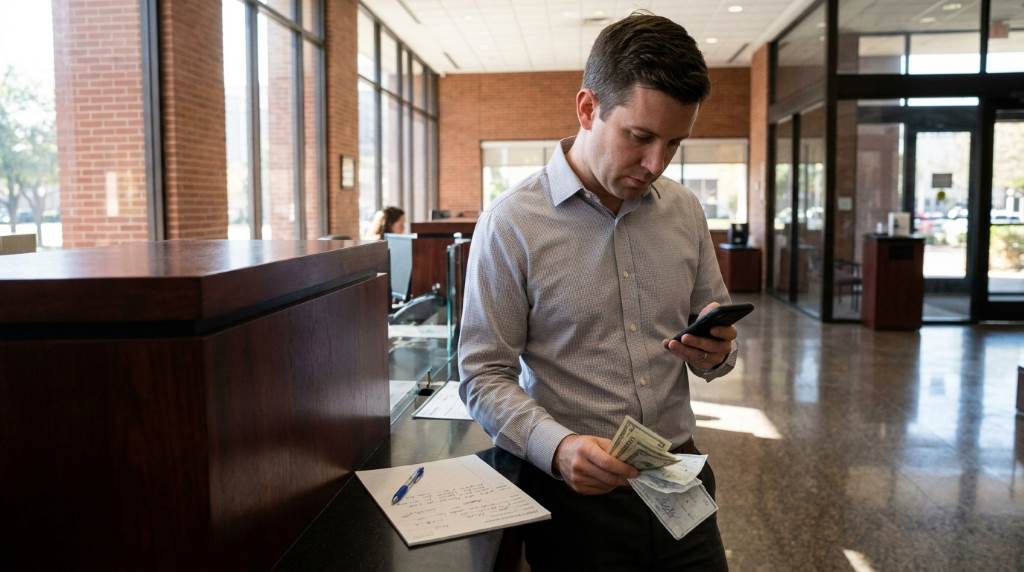
Bank deposits usually post quickly, yet financial institutions sometimes adjust completed transactions for valid operational reasons. Industry reports indicate that electronic payments continue increasing yearly, while banking systems process billions of transactions with extremely high accuracy. Understanding bank deposit correction reasons helps customers avoid confusion and respond appropriately. This guide explains why bank deposits get corrected in Dallas, TX, while offering practical steps that protect your finances and reduce unnecessary stress.
What Does a Bank Deposit Correction Mean?
A bank deposit correction updates a previous transaction after verification identifies an error or missing information. Banks perform these adjustments to maintain accurate customer balances and regulatory compliance. Meanwhile, businesses can strengthen financial planning by learning strategies like carryback financing grow your business alongside sound banking practices.
The correction may increase or decrease your available balance depending on the verified transaction details. Therefore, reviewing account activity carefully helps identify legitimate adjustments without unnecessary concern.
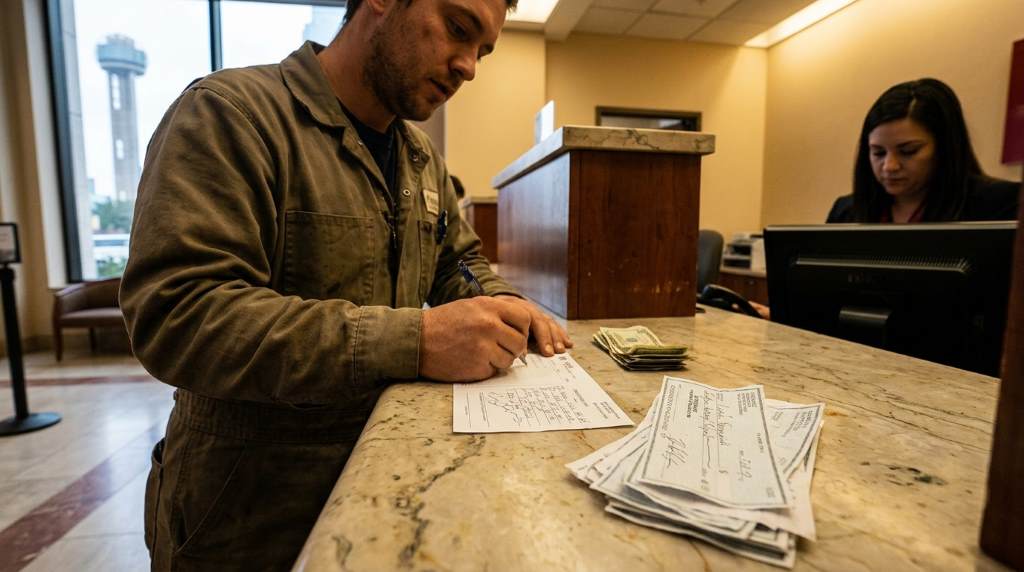
Common Deposit Types That May Be Corrected
- Cash deposits through branch tellers
- ATM cash deposits
- ATM check deposits
- Mobile check deposits
- Business deposits
- Electronic transfers
Why Banks Correct Deposits
Financial institutions follow strict procedures before finalizing every deposit. Consequently, corrections happen when verification reveals information that differs from the original transaction record.
Customers exploring new financial opportunities often compare savings methods with options like first backers crowdfunding, yet maintaining accurate bank records remains equally important for long term financial stability.
Cash Counting Differences
Bank employees and automated equipment recount deposited cash during processing. If the verified amount differs from the initial count, the bank updates the transaction accordingly.
Check Verification Issues
Checks require additional review before final acceptance into the banking system. Sometimes incorrect amounts, unreadable writing, or missing signatures trigger necessary corrections.
ATM Deposit Errors
Modern ATMs use advanced technology, yet equipment occasionally identifies mismatched deposit information during processing. Accordingly, the bank adjusts the account after completing verification.
Duplicate Transactions
Technical interruptions may temporarily create duplicate transaction records. Banks promptly remove duplicate entries after confirming the correct posting history.
Encoding Mistakes
Banks electronically encode payment information during processing for accuracy and speed. Human or system errors sometimes require a corrected transaction after quality review.
Common Reasons for Deposit Corrections in Dallas, TX
Dallas serves a large business community with significant daily banking activity across branches and digital platforms. Therefore, local financial institutions maintain detailed verification procedures that protect customers and banking operations. People interested in additional income ideas sometimes research make money flipping random items, although accurate banking records remain essential regardless of income sources.
Business Deposit Adjustments
Many Dallas businesses process multiple deposits every business day. High transaction volume occasionally increases the likelihood of corrections after routine verification.
Mobile Banking Reviews
Mobile deposits offer convenience while requiring image quality verification before acceptance. Blurry photographs or duplicate submissions frequently lead to processing adjustments.
Fraud Prevention Measures
Banks continuously monitor unusual transaction patterns to protect customer accounts. Consequently, temporary corrections may occur while investigators confirm legitimate deposit activity.
Compliance Requirements
Federal banking regulations require institutions to maintain accurate financial records throughout every transaction. Compliance reviews sometimes identify information requiring prompt correction before completion.
How Banks Process Deposit Corrections
Financial institutions follow structured procedures before changing any completed deposit record. Each verification step supports transaction accuracy while protecting both customers and banking systems.
- Review the original deposit record.
- Verify cash or check information.
- Compare electronic transaction data.
- Approve necessary account adjustments.
- Update customer account records.
- Maintain documentation for future reference.
Most legitimate corrections appear together with transaction descriptions explaining the adjustment. Therefore, customers should read banking notifications before assuming unauthorized account activity.
Signs Your Deposit Correction Is Legitimate
Most banks clearly identify corrected transactions within online banking platforms and monthly account statements. Customers should compare adjustment details with original deposit receipts whenever possible.
- Matching transaction dates
- Clear adjustment descriptions
- Official bank notifications
- Supporting account documentation
- Available customer service confirmation
If anything appears unusual, contacting your financial institution immediately provides clarification and additional protection. Early communication often resolves simple concerns before they become larger problems.
How to Reduce Future Deposit Corrections
Simple banking habits significantly reduce avoidable deposit adjustments throughout the year. Careful preparation improves transaction accuracy before deposits enter processing systems.
Count Cash Carefully
Always verify cash totals before handing money to a teller or inserting funds into an ATM. Double checking amounts reduces counting mistakes immediately.
Review Checks Thoroughly
Confirm signatures, written amounts, and numerical values before depositing every check. Complete information helps banks process deposits without unnecessary delays.
Capture Clear Mobile Images
Use bright lighting and stable positioning when photographing checks through mobile banking applications. Sharp images improve successful verification during processing.
Save Deposit Receipts
Retaining receipts provides valuable evidence if questions arise after deposit processing. Digital confirmation emails also support future account reviews.
Monitor Account Activity
Checking account balances regularly helps identify legitimate corrections and unexpected transactions quickly. Prompt reviews also simplify communication with customer support representatives.
What to Do After Seeing a Deposit Correction
First, compare the corrected transaction against your original receipt and banking records. Then review recent account notifications before contacting the bank for clarification.
If questions remain, speak with a customer service representative and request transaction details. Keeping organized financial documents makes these conversations faster and more productive.
Conclusion
Bank deposit corrections support accurate financial records instead of creating unnecessary confusion for customers. Understanding why these adjustments occur helps you recognize normal banking procedures with greater confidence. Maintain organized records, review account activity regularly, and contact your bank whenever transaction details appear unclear. Taking these simple actions protects your finances while making everyday banking much easier.
Frequently Asked Questions
Why did my bank reduce my deposited amount?
Your bank likely corrected a verified counting or processing difference after reviewing the original transaction.
How long do deposit corrections usually take?
Most corrections appear after routine verification, although timing depends on the transaction type.
Should I contact my bank after a deposit correction?
Yes, contact your bank whenever you cannot confirm the reason for an account adjustment.
Can ATM deposits be corrected?
Yes, ATM deposits may be adjusted after cash or check verification during processing.
How can I avoid unnecessary deposit corrections?
Count deposits carefully, review documents, save receipts, and monitor your account regularly.