


Cash flow problems cause over 80 percent of small business failures according to a U.S. Bank study. Payroll shortages often appear first as a warning sign of deeper financial trouble. A 13-week cash flow forecast model helps business owners see these issues before they become crises. This guide will show you how to build and use this tool to keep your team paid on time.
Why a 13-Week Cash Flow Forecast Matters for Payroll
A 13-week forecast covers a full business quarter with extra time to act. It is short enough to stay accurate but long enough to catch trends. Payroll is usually the biggest expense for most businesses. Missing it can hurt morale and break trust with your team.
This model also helps you plan for seasonal slowdowns or big payments. For example retail businesses often face cash crunches after the holiday season. A 13-week view lets you set aside money during busy times to cover slower periods. It also makes it easier to talk to lenders or investors if you need extra funds.
Another benefit is better decision making. You can delay non urgent spending if you see a shortfall coming. Or you can speed up collections from slow paying customers. The forecast puts you in control instead of leaving you to react to surprises.
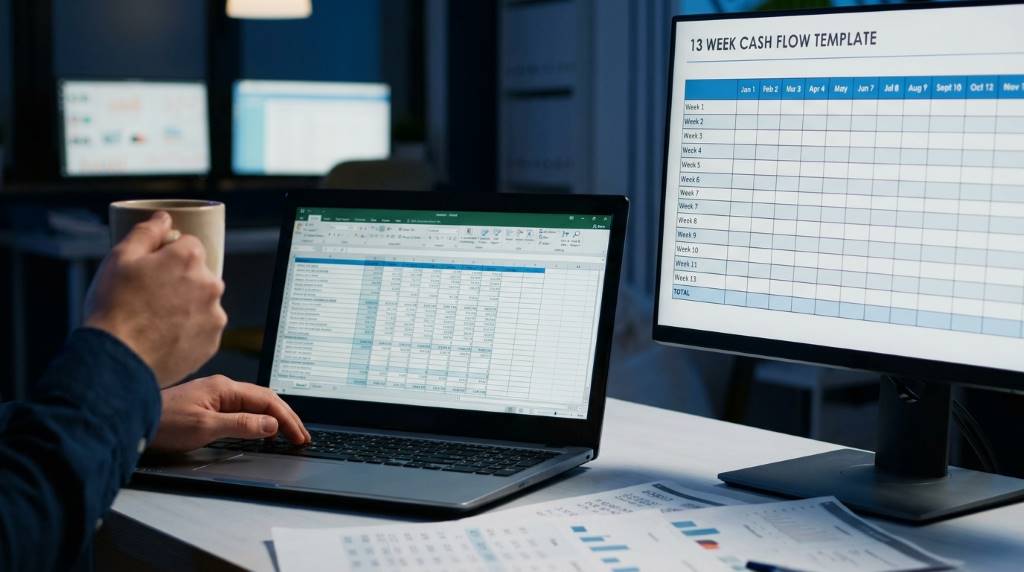
Step-by-Step Guide to Building Your 13-Week Cash Flow Forecast
Gather Your Financial Data
Start by collecting your current cash balance and all expected inflows and outflows. Include sales revenue loan payments vendor bills and of course payroll. Use your accounting software to pull reports for the last three months as a baseline.
Be sure to include one time expenses like equipment purchases or tax payments. These can create temporary cash gaps that might look like a payroll problem. Also note any upcoming changes like new hires or planned expansions that will affect future cash needs.
Set Up Your Spreadsheet
Create a spreadsheet with 13 columns one for each week. Label the rows with categories like beginning cash sales receipts other income payroll taxes rent utilities and other expenses. Leave a row at the bottom for ending cash balance.
Use formulas to automatically calculate totals and ending balances. This saves time and reduces errors. Color code cells to highlight weeks where cash might fall below what you need for payroll.
Enter Your Cash Flow Projections
Fill in your expected cash inflows for each week. Base these on your sales pipeline and payment history from customers. For outflows start with fixed costs like payroll and rent then add variable expenses.
Remember that timing matters as much as amounts. A big payment that comes in late can cause a shortfall even if the money is coming. Be realistic about when you will actually receive payments from customers.
Review and Adjust Weekly
Update your forecast every week with actual numbers. Compare what really happened to your projections. This helps you improve your estimates over time and catch problems early.
Look for patterns in your cash flow. Maybe you always have a tight week in the middle of the month. Or perhaps certain customers always pay late. Use this information to adjust your forecast and your business practices.
Identifying Potential Payroll Shortages
As you build your forecast watch for weeks where your ending cash balance dips below your payroll obligation. These are red flags that need attention. Even if you have enough cash overall poor timing can create a shortfall.
Pay special attention to weeks with big outflows like quarterly tax payments or annual insurance premiums. These can drain your cash reserves and leave you short for payroll. The 13-week view helps you see these coming and plan accordingly.
You can also unlock your business cash flow by using invoice financing to bridge gaps between customer payments and your payroll dates.
Strategies to Prevent Payroll Shortages
Improve Your Cash Flow Management
Start by speeding up your receivables. Offer discounts for early payment or charge late fees for slow payers. Consider requiring deposits for large orders or new customers. The faster you get paid the better your cash position.
You can also master cash flow management by implementing tighter controls on spending and better tracking of expenses.
Build a Cash Reserve
Aim to keep at least one month of payroll expenses in reserve. This gives you a buffer against unexpected shortfalls. If that is not possible start with a smaller goal and build up over time.
Consider setting up a separate account just for payroll funds. This keeps the money safe from being spent on other things. It also makes it easier to track your payroll obligations.
Explore Financing Options
If you see a shortfall coming look into short term financing options. A business line of credit can provide quick access to cash when you need it. Just be sure to understand the terms and costs before you commit.
Invoice factoring is another option that lets you get cash for unpaid invoices right away. This can be especially helpful if you have long payment cycles with your customers. You can also improve your business cash flow by negotiating better payment terms with suppliers.
Communicate with Your Team
If you do face a payroll shortfall be honest with your employees. Explain the situation and your plan to fix it. They will appreciate the transparency and may be willing to work with you on temporary solutions.
Consider offering alternative compensation during tight periods. This could include extra time off or other non cash benefits. Just be sure to follow all labor laws and regulations.
Real-World Example of a 13-Week Forecast in Action
Let us say you run a small manufacturing company. Your biggest customer pays you 60 days after delivery. Your payroll is due every two weeks. In your 13-week forecast you see that a big payment from this customer will arrive in week 8.
But your payroll for weeks 6 and 7 is due before that payment comes in. Without the forecast you might not realize the timing problem until it is too late. With the forecast you can arrange a short term loan to cover the gap or ask the customer for a partial payment earlier.
You might also see that you have a big tax payment due in week 10. By planning ahead you can set aside money from earlier weeks to cover this expense without affecting payroll. This kind of forward looking is what makes the 13-week model so valuable.
Common Mistakes to Avoid
One of the biggest mistakes is being too optimistic about sales or payment timing. Always err on the side of caution in your projections. It is better to be pleasantly surprised than caught short.
Another mistake is not updating the forecast regularly. A 13-week model is only as good as the data you put into it. Set a weekly reminder to review and update your numbers.
Do not forget about seasonal variations in your business. If you have busy and slow periods make sure your forecast reflects these patterns. Look at historical data to help you estimate.
Finally do not ignore the warnings your forecast gives you. If you see a potential shortfall take action right away. The sooner you address the problem the easier it will be to solve.
Tools to Help with Your Cash Flow Forecast
While you can create a 13-week forecast in a simple spreadsheet there are also software tools that can help. QuickBooks Xero and FreshBooks all have cash flow forecasting features. These can save you time and provide additional insights.
There are also specialized cash flow management tools like Float or Pulse. These connect to your accounting software and provide more advanced forecasting capabilities. They can also help you visualize your cash flow with charts and graphs.
For very small businesses or startups a simple spreadsheet might be all you need. The important thing is to start tracking your cash flow regularly. As your business grows you can invest in more sophisticated tools.
Conclusion
A 13-week cash flow forecast is a powerful tool for predicting and preventing payroll shortages. It gives you the visibility you need to make smart financial decisions and keep your business on track. Start building your forecast today and update it regularly to stay ahead of potential problems.
Remember that cash flow management is an ongoing process not a one time task. The more you work with your forecast the better you will get at spotting issues and opportunities. With practice you will be able to use your 13-week model to not just avoid shortages but to grow your business with confidence.
Take the first step now by gathering your financial data and setting up your spreadsheet. Your employees and your business will thank you for the peace of mind that comes with knowing your payroll is secure.
FAQ
What is a 13-week cash flow forecast?
A 13-week cash flow forecast is a tool that projects your cash inflows and outflows over the next 13 weeks to help you anticipate financial needs.
How often should I update my cash flow forecast?
You should update your cash flow forecast weekly to ensure it remains accurate and useful for decision making.
What is the biggest mistake businesses make with cash flow forecasting?
The biggest mistake is being too optimistic about sales or payment timing which can lead to unexpected shortfalls.
Can I use accounting software for my cash flow forecast?
Yes many accounting software packages like QuickBooks and Xero include cash flow forecasting features.
How much cash reserve should I keep for payroll?
Aim to keep at least one month of payroll expenses in reserve to protect against unexpected shortfalls.