


Sitting for long hours is a daily reality for millions of workers. Yet many people overlook one of the most important tools in their workspace: the chair. Choosing the right ergonomic task chair can change how you feel, focus, and perform every single day. Therefore, making an informed decision matters more than ever in 2026.
This guide will walk you through everything you need to know. You will learn what features to look for, how to match a chair to your body, and which options lead to real productivity gains. Whether you work from home or in a corporate office, this article is for you.
Why Your Chair Affects Your Productivity
Your body and your work output are deeply connected. When you sit in a poor chair, your muscles strain to hold your spine in place. This leads to discomfort, fatigue, and difficulty concentrating. Over time, it can cause serious health issues like chronic lower back pain or persistent neck tension.
However, a well-designed ergonomic chair supports your natural posture. It reduces physical stress on your body, which frees your mind to focus on the task at hand. Studies consistently show that workers using proper productivity seating report higher comfort levels and fewer distractions during the day.
Additionally, investing in quality seating is one of the smartest long-term choices you can make for both your health and your output. It is not a luxury. It is a practical tool that pays dividends every working day.
Key Features to Look for in an Ergonomic Chair
Not all ergonomic chairs are created equal. Some focus on style, while others prioritize function. Knowing which features genuinely matter will help you choose wisely and avoid wasting money on options that look good but underperform.
Lumbar Support
Lumbar support is the foundation of any good ergonomic chair. Your lower back has a natural inward curve. A chair without proper lumbar support forces that curve to flatten, which strains the muscles and spinal discs over time.
Look for chairs with adjustable lumbar support. This means you can raise, lower, or change the firmness of the support to match your spine’s unique curve. Fixed lumbar pads rarely suit all body types, and they often end up positioned in the wrong spot entirely.
Seat Height and Depth Adjustment
Your feet should rest flat on the floor. Your knees should form roughly a 90-degree angle. If a chair cannot be adjusted to achieve this, it is simply not the right fit for you.
Seat depth is equally important. When you sit back fully, there should be a small gap between the front edge of the seat and the back of your knees. Too much pressure in this area cuts off circulation in your legs and causes numbness.
Armrest Flexibility
Good armrests reduce strain on your shoulders and upper arms. Ideally, your arms should rest lightly on the armrests with your shoulders fully relaxed. Look for chairs with 4D armrests, which can move up, down, forward, backward, and sideways.
Fixed armrests can actually do more harm than good. They may push your arms into awkward positions, which creates tension in your neck and shoulders over the course of a long workday.
Recline and Tilt Mechanism
Sitting in one position all day is not healthy, even in a great chair. A good tilt and recline mechanism lets you shift your posture throughout the day. This keeps circulation moving and reduces muscle fatigue significantly.
Some chairs offer a synchronous tilt, where the seat and backrest move together in proportion. This is often more comfortable than a simple recline, as it keeps your feet on the ground while you lean back.
How to Match a Chair to Your Body Type
One size never fits all when it comes to office seating. Your height, weight, and build all play a role in determining which chair will work best for you.
If you are taller, look for chairs with a higher backrest and an extended seat height range. Many top office chairs now offer configurations specifically designed for taller users, with seat heights that go well above the standard range.
Shorter users, on the other hand, often struggle with seats that are too deep. A seat depth adjustment or a separate footrest can help greatly. Also look for chairs where the lumbar support can be lowered enough to actually reach the lower back of a shorter person.
Weight capacity is another factor to consider. Always check that the chair you choose is rated for your body weight. High-quality chairs clearly state their capacity in their product specifications.
Materials and Build Quality
The materials of a chair affect both comfort and durability. Mesh backrests are popular because they allow airflow, keeping you cooler during long work sessions. However, not all mesh is the same. High-tension, woven mesh holds its shape over time, while cheap mesh can sag and lose support within months.
Foam seat cushions also vary widely in quality. High-density foam holds its shape for years. Lower-quality foam compresses quickly, making the seat uncomfortable well before the chair’s frame ever wears out.
Additionally, the base and caster wheels matter more than many buyers realize. A five-star base provides stability and prevents tipping. Hardwood floor-safe casters protect your flooring while still allowing smooth, effortless movement.
Ergonomic Upgrades Worth Considering in 2026
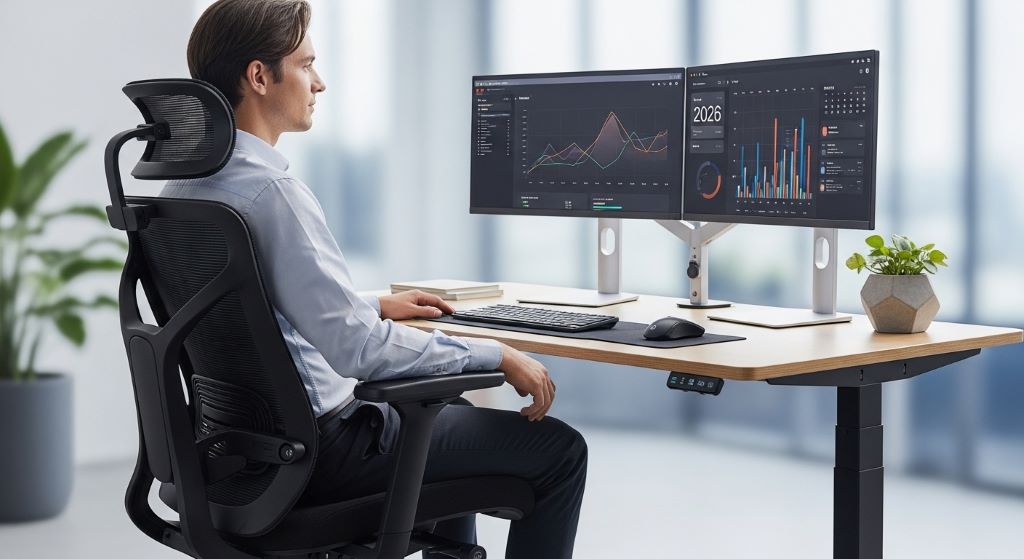
The office chair market has evolved rapidly in recent years. In 2026, many chairs now come with smart features that were unheard of just a few years ago. These ergonomic upgrades can take your comfort and productivity to another level.
Here are some upgrades that are worth your attention:
- Posture sensors that alert you when you have been sitting in a poor position for too long
- Adjustable headrests that move independently to support your neck during calls or reading
- Seat edge waterfall designs that reduce pressure on the backs of your thighs
- Heat and massage functions, particularly useful for those with chronic back tension
- Breathable fabric alternatives to mesh, offering warmth in cooler office climates
These features are not just gimmicks. Many users find that even simple additions, like a proper headrest, reduce end-of-day fatigue significantly and improve their overall experience.
Budget vs. Premium: Finding the Right Balance
You do not have to spend a fortune to sit well. However, the market for ergonomic seating does follow a clear pattern: you generally get what you pay for.
Budget chairs in the $100 to $250 range often lack adjustability. They may look ergonomic on the outside but fall short on the customization needed to suit different body types. They can work as a short-term solution but rarely last more than two or three years under daily use.
Mid-range chairs in the $300 to $700 range offer a strong balance of quality and cost. You will typically find good lumbar adjustment, seat depth control, and durable materials. These options are suitable for most office workers and home-office users alike.
Premium chairs above $700 are engineered with precision. They often come with long warranties, superior materials, and the most thorough adjustability on the market. If you work eight or more hours daily, the investment often pays for itself in health and productivity gains over time.
Therefore, think of your chair purchase as a health investment rather than a simple furniture expense.
Tips for Testing a Chair Before You Buy
If possible, always try a chair before committing to a purchase. Visit a showroom and spend at least 15 to 20 minutes sitting in each option you consider. Bring your laptop if you can, and simulate your typical work posture as closely as possible.
When testing a chair, ask yourself the following questions:
- Does my lower back feel supported without my torso being pushed forward?
- Can my feet rest flat on the floor without any effort?
- Are my shoulders relaxed and not raised or rounded?
- Is there any uncomfortable pressure behind my knees?
- Does the seat cushion feel firm enough to support without feeling hard?
If buying online, look for retailers that offer free return shipping or a home trial period. Many companies in 2026 now offer 30-day trials, which gives you a real sense of how the chair performs during actual working conditions.
Conclusion
Choosing the best ergonomic task chair in 2026 comes down to understanding your own body, your work habits, and your budget. The right chair supports your lumbar spine, allows full adjustability, and uses quality materials that stand the test of time.
Key takeaways from this guide include: always prioritize lumbar and seat depth adjustments, match the chair to your height and weight, consider modern ergonomic upgrades that enhance comfort, and treat your seating choice as a long-term health investment.
Remember, the best chair is the one that fits your unique body well. No single model is perfect for everyone. However, by following the guidance in this article, you are well equipped to make the right decision for your health, your comfort, and your productivity.
Frequently Asked Questions
1. What is the most important feature in an ergonomic task chair?
Adjustable lumbar support is widely considered the most critical feature. It ensures your lower back is properly supported throughout the day, reducing the risk of pain and long-term injury.
2. How long should a quality ergonomic chair last?
A high-quality ergonomic chair should last between 8 and 12 years with regular daily use. Budget options may last only 2 to 3 years before the foam compresses or the mechanisms wear out.
3. Are mesh chairs better than foam chairs?
Mesh chairs offer better breathability, which is ideal for warmer environments. Foam chairs provide a softer, warmer feel. The best choice depends on your climate and personal comfort preference.
4. How do I know if a chair fits my body correctly?
Your feet should rest flat on the floor, your knees should be at approximately 90 degrees, and your lower back should feel naturally supported. Your shoulders should be relaxed and not raised or hunched forward.
5. Is it worth spending more than $500 on an office chair?
If you work long hours daily, yes. A premium chair offers superior adjustability, better materials, and longer warranties. Over several years, the daily cost is minimal compared to the health and comfort benefits you receive.
Related Topics:
Why Does Your Business Need Salesforce Managed Services?
Boost Your Startup Growth with These Powerful Business Tools