


Investors often debate gold bullion vs numismatic coins for long-term value. Both options attract those seeking financial security, but they serve different purposes. Gold bullion offers stability tied to precious metals. Numismatic coins, valued for rarity and history, appeal to collectors. This article explores their differences, benefits, and risks. It uses market data and expert insights to guide your investment strategy. Whether you prioritize wealth preservation or collectible value, understanding these assets is key. Read on to discover which option aligns with your investment goals.
What Are Gold Bullion Coins?
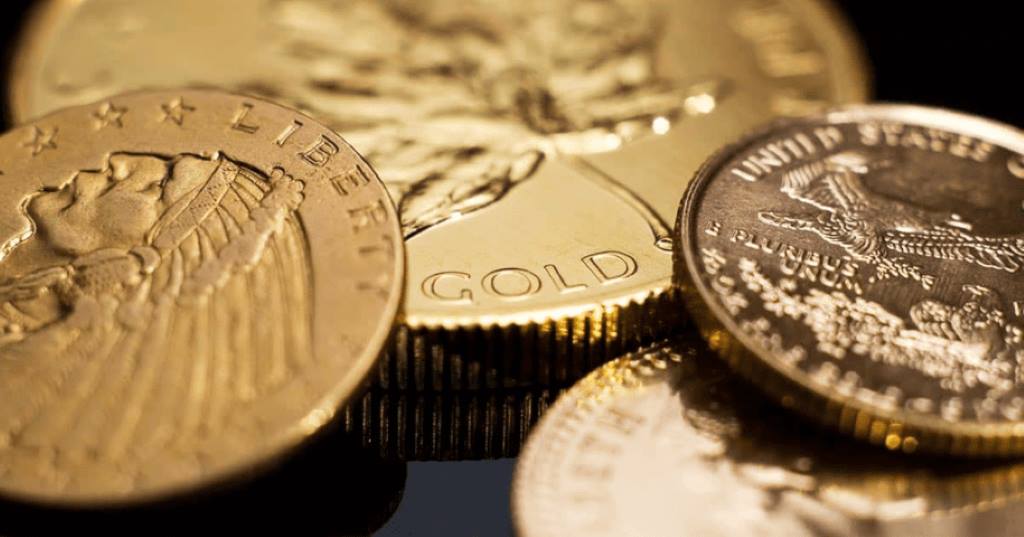
Gold bullion coins are minted for investment. Their value ties to precious metal content, like gold or silver. Popular examples include the American Gold Eagle, Canadian Gold Maple Leaf, and South African Krugerrand. These coins track the spot price of gold, making them a direct inflation hedge. Their market value fluctuates with global economy trends and market conditions.
Bullion coins have standardized designs and high purity. They are produced in large quantities, ensuring liquidity. Investors buy them for intrinsic value, not rarity. For instance, the Perth Mint’s Australian Gold Kangaroo is widely traded. Bullion’s predictable pricing suits those seeking stability over speculative gains.
Understanding Numismatic Coins
Numismatic coins are valued for rarity, historical significance, and collector demand. Examples include the Morgan Silver Dollar and Saint-Gaudens Gold Double Eagle. Their worth exceeds precious metal content due to age, condition, or limited mintage. Coin grading by services like the Numismatic Guaranty Corporation or Professional Coin Grading Service impacts their market price.
These coins attract collectors and investors who value uniqueness. However, their market is less liquid than bullion. Prices depend on auction sale records and numismatic market trends. Numismatic coins carry higher risk but offer potential for significant returns.
Bullion’s Appeal for Investors
Gold bullion coins are a safe investment. Their value closely follows the spot price of precious metals. This makes them less volatile than numismatic coins. Investors use bullion as a hedge against market fluctuations and inflation. Central banks often hold gold bullion to stabilize economies.
Bullion is easy to buy and sell. Its standardized designs ensure global recognition. For example, the American Silver Eagle is widely traded. Bullion’s low premiums over spot value make it cost-effective. Investors seeking financial security often choose bullion for its reliability.
- Pros of Bullion: High liquidity, low premiums, tracks spot price.
- Cons of Bullion: Limited collectible value, minimal historical significance.
Numismatic Coins’ Unique Value
Numismatic coins offer more than metal value. Their rarity and historical significance drive collector demand. Coins like the Mauryan Empire Silver Karshapana or Roman coins carry cultural weight. Their market value can soar due to auction sale records or grading companies’ assessments.
However, numismatic coins are less liquid. Their value depends on market behavior and collector trends. For example, the Peace Silver Dollar may fetch high prices in strong markets. Investors must research coin authentication and grading services to avoid fakes. Numismatic coins suit those who enjoy history and speculation. Explore Everything You Need to Know Before Installing Crittall-Style French Doors.
Comparing Long-Term Value Potential
Bullion coins provide steady, predictable returns. Their value aligns with precious metal prices, which rise during market volatility. For instance, gold bullion coins gained 20% in value during the 2008 financial crisis. They suit investors with long-term, low-risk goals.
Numismatic coins can outperform bullion in specific conditions. Rare coins, like the Saint Gaudens Double Eagle, have sold for millions at auctions. Their value hinges on collector demand and market timing. However, their volatility makes them riskier. Investors must balance potential gains against market fluctuations.
Risks of Investing in Bullion
Bullion coins face risks tied to market conditions. Spot prices can drop, reducing value. For example, gold prices fell 12% in 2013. Storage and insurance costs also add up. Bullion lacks collectible value, limiting upside potential.
Despite risks, bullion remains a stable investment vehicle. Its liquidity ensures quick sales. Investors can mitigate risks by tracking market data and diversifying portfolios. Bullion suits those prioritizing safety over high returns.
Challenges with Numismatic Coins
Numismatic coins carry unique risks. Their value depends on subjective factors like collector demand and coin grading. Market fluctuations can drastically affect prices. Fakes and poor authentication pose threats. For instance, counterfeit Morgan Silver Dollars have flooded markets.
Liquidity is another challenge. Selling rare coins takes time and expertise. Investors must navigate the numismatic market carefully. Despite risks, high returns are possible for those who study market behavior and invest strategically.
In 2018, I inherited a small collection of coins. It included a Canadian Silver Maple Leaf and a rare Liberty Double Eagle. I researched their value, expecting the bullion coin to dominate. Surprisingly, the numismatic coin’s historical significance drove its price higher. I sold the Double Eagle at an auction for triple its metal value. This taught me the power of collector demand. However, I kept the Maple Leaf for its steady value. Both coins served different goals, shaping my investment strategy.
Market Trends and Investment Strategy
Market trends influence both bullion and numismatic coins. Bullion prices follow global supply and demand. Central banks’ gold purchases signal strong demand. Numismatic coins rely on auction sale records and collector trends. For example, commemorative coins often spike during anniversaries.
A smart investment strategy balances both. Bullion offers stability; numismatic coins provide growth potential. Investors should monitor spot prices and numismatic market data. Diversifying across both types reduces risk. Timing purchases during market dips can maximize returns.
How to Choose the Right Option
Choosing between bullion and numismatic coins depends on goals. Bullion suits those seeking financial security and liquidity. Numismatic coins appeal to collectors or speculative investors. Consider your risk tolerance and investment timeline. Research grading services and market conditions before buying.
- Choose Bullion If: You want low-risk, liquid investments.
- Choose Numismatic If: You value rarity and historical significance.
Consult experts like AmFed Coin & Bullion for guidance. Align your choice with long-term investment goals.
Conclusion
Gold bullion vs numismatic coins for long-term value presents a clear choice. Bullion offers stability and liquidity, tracking precious metal prices. Numismatic coins provide high returns through rarity and collector demand but carry risks. Both can fit into a diversified portfolio. Investors should assess goals, risk tolerance, and market trends. Whether you choose the American Gold Eagle or a rare Morgan Silver Dollar, knowledge is key. Share your thoughts in the comments or explore more investment strategies on our site.
FAQs
Why choose gold bullion over numismatic coins?
Bullion offers liquidity and tracks spot prices. It suits low-risk investors seeking financial security.
Are numismatic coins a good investment?
Numismatic coins can yield high returns. Their value depends on rarity, grading, and collector demand.
How does coin grading affect value?
Grading by services like Numismatic Guaranty Corporation ensures authenticity. Higher grades increase numismatic coin value.
What impacts bullion coin prices?
Bullion prices follow spot prices of precious metals. Market volatility and global demand also influence value.
Can I invest in both bullion and numismatic coins?
Yes, diversifying across both balances stability and growth. Align investments with your financial goals.
References
- World Gold Council: https://www.gold.org
- Kitco Gold Prices: https://www.kitco.com