

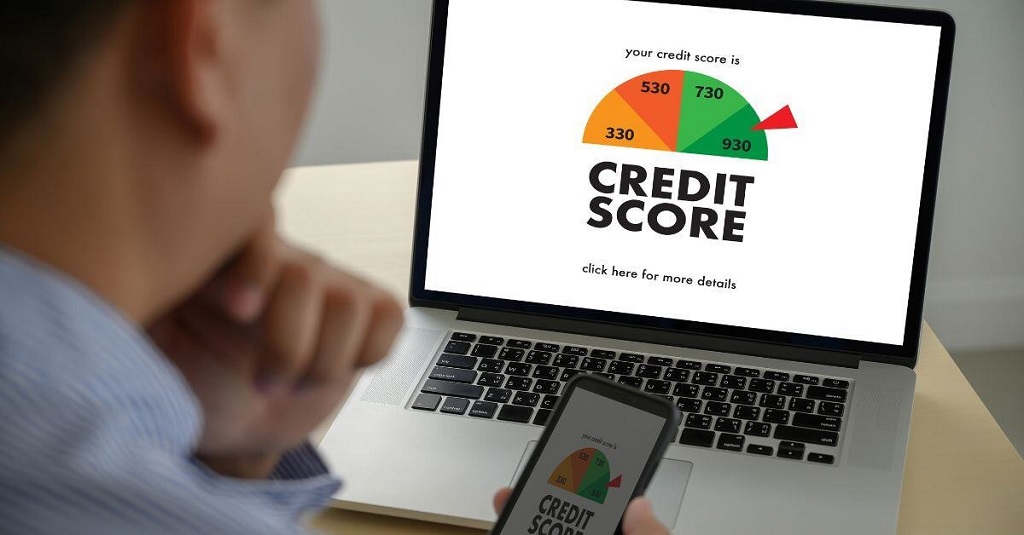
Every thriving business stands on more than just a great product or service. Behind the scenes, one number can decide access to funding, partnerships, and long-term growth. That number is your business credit score. Yet, despite its significance, many entrepreneurs overlook it—until it’s too late.
What Is a Business Credit Score?
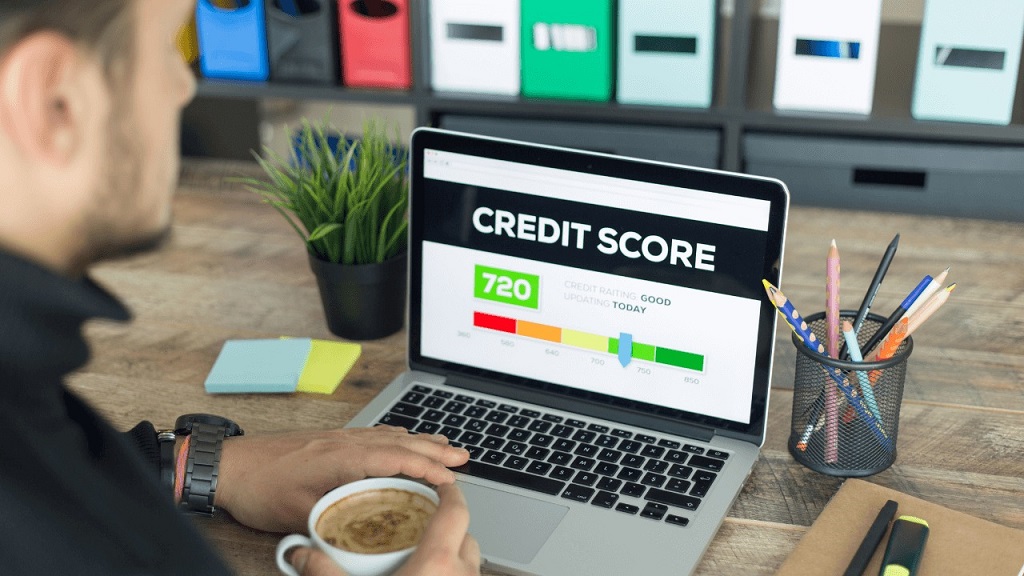
A business credit score reflects a company’s creditworthiness, much like a personal credit score does for individuals. These scores, generally ranging from 0 to 100, are compiled by credit reporting agencies like Dun & Bradstreet (D&B), Experian, and Equifax. Each agency uses proprietary models, but the goal remains the same: to assess how reliably a business pays its debts.
Unlike personal scores, business credit scores are public and can be accessed by lenders, suppliers, insurers, and even competitors. A high score signals trustworthiness and financial health. Conversely, a low score can block crucial opportunities.
Why Business Credit Scores Matter
-
Access to Financing
Lenders rely heavily on business credit scores. A 2022 survey by the Federal Reserve showed that 53% of small business loan denials stemmed from poor or thin credit profiles. Strong scores can unlock lower interest rates, higher credit limits, and faster approval times.
However, a weak or nonexistent score may push lenders to require personal guarantees or collateral. This puts personal assets on the line—something every business owner should aim to avoid.
-
Vendor and Supplier Relationships
Suppliers often check credit scores before offering net-30 or net-60 terms. Businesses with good scores can delay payments without interest, improving cash flow. On the other hand, those with poor scores may face prepayment demands or stricter terms, disrupting operations.
-
Insurance Premiums
Yes, your business credit can even affect insurance costs. Commercial insurers evaluate credit scores when setting premiums. According to the National Association of Insurance Commissioners (NAIC), businesses with low credit scores may pay up to 20% more than those with high ratings.
-
Lease Agreements and Contracts
Commercial landlords, government agencies, and corporate partners routinely run business credit checks. A weak score could block deals or signal instability to potential partners, jeopardizing your growth trajectory.
How Business Credit Scores Are Calculated
Each credit bureau uses different criteria, but several core factors influence business credit scores:
- Payment History: Timely payments build trust.
- Credit Utilization: High utilization may indicate financial strain.
- Company Size and Age: Older, stable businesses tend to score better.
- Public Records: Bankruptcies, liens, and judgments lower scores.
- Industry Risk: Some sectors carry more financial risk than others.
For example, Dun & Bradstreet’s PAYDEX score focuses heavily on payment performance, while Experian’s Intelliscore Plus factors in both business and owner credit behavior.
Real-World Examples: Score Impact in Action
Take the case of a startup tech firm denied a $200,000 line of credit. Despite strong revenue projections, it had no business credit profile. By contrast, a 10-year-old construction company with an 85 PAYDEX score secured a $500,000 equipment loan within a week—showing how credit maturity and reliability can pave the way for growth.
Another example involves a retailer who improved their Experian score from 48 to 80 by negotiating payment terms, paying early, and limiting credit usage. This led to lower financing costs and a $100,000 increase in their credit limit.
How to Improve Your Business Credit Score
- Incorporate Your Business: Form an LLC or corporation to separate personal and business credit.
- Obtain an EIN: The IRS-issued Employer Identification Number is essential for building credit.
- Open Trade Lines: Work with vendors who report to credit bureaus.
- Pay on Time—Every Time: This is the single most critical factor.
- Monitor Your Credit Reports: Errors happen. Use services like Nav or CreditSignal by D&B to stay informed.
- Limit Credit Inquiries: Too many hard pulls can lower your score.
- Maintain Low Credit Utilization: Ideally below 30% of your available limit.
Professional Tips for Building Business Credit
- Use a business credit card and pay it off in full each month.
- Establish multiple tradelines from diverse suppliers for a balanced profile.
- File annual reports and stay in good standing with your Secretary of State.
Featured Snippet:
How long does it take to build business credit from scratch?
Building business credit can take three to twelve months, depending on how aggressively you establish tradelines and maintain payments. Start by incorporating your business, obtaining an EIN, and opening a business bank account. Then, work with vendors who report to major bureaus. Timely payments and good financial practices will help you develop a strong profile within a year. Use credit monitoring tools to track your progress. Consistency and strategic action are key.
FAQs
What’s the ideal business credit score?
A score of 80 or above (on a 0–100 scale) is generally considered excellent.
Can a bad personal credit score affect business credit?
Yes, especially for sole proprietors and new businesses without established profiles.
How often should I check my business credit score?
Review your report quarterly to catch errors and monitor progress.
Which bureaus report business credit?
Dun & Bradstreet, Experian Business, and Equifax Small Business are the main ones.
Does applying for credit hurt your business score?
Multiple hard inquiries can lower your score temporarily, so apply strategically.
Can I build business credit without a loan?
Yes, through vendor tradelines, credit cards, and timely bill payments.
How do I fix errors on my business credit report?
Dispute inaccuracies directly with the bureau, providing documentation for correction.
Read More Also: Cryptocurrency Investment Tips
Final Thought
Understanding your business credit score isn’t optional—it’s a strategic advantage. From accessing capital to unlocking favorable terms, a strong credit profile boosts your financial agility and competitiveness. Don’t wait for a denial letter or missed opportunity to start building credit. Take action today, stay consistent, and watch your business grow faster and stronger than you imagined.
References: