
Investing in contemporary art offers a unique blend of passion and profit. With the right strategies, you can achieve maximum returns while building a stunning collection. The global art market reached $65 billion in 2022, according to Art Basel, showing its potential for savvy investors. However, navigating this world requires knowledge and planning. This guide shares top tips for investing in contemporary art for maximum returns, helping you make informed decisions. Whether you’re a beginner or seasoned collector, these insights will elevate your investment game. Let’s explore how to turn your love for art into a rewarding financial venture.
Understand the Contemporary Art Market
To succeed in investing in contemporary art for maximum returns, you must grasp the market’s dynamics. Contemporary art includes works created by living artists, often reflecting current trends and social issues. The market is volatile, with prices fluctuating based on demand, artist reputation, and global events. For instance, a 2023 Deloitte report noted that contemporary art sales grew by 12% annually, driven by digital platforms and new collectors.
Start by researching auction houses, galleries, and online marketplaces like Sotheby’s or Artsy. Track emerging artists and monitor price trends. My first art purchase was a small piece by a lesser-known artist at a local gallery. That experience taught me the value of studying market patterns before investing. Stay updated with art fairs and biennales to spot rising stars early.
Research Emerging Artists
Focusing on emerging artists is a key tip for investing in contemporary art for maximum returns. These artists, often in their early careers, offer affordable entry points with high growth potential. According to a 2024 ArtTactic report, works by artists under 40 saw a 15% price increase in two years. Identifying talent before it peaks can yield significant profits.
Visit local galleries, art schools, and online platforms like Saatchi Art to discover new names. Look for artists with consistent exhibition histories or awards. I once attended a graduate art show and found a painter whose work later tripled in value. Engage with curators and follow art blogs to stay ahead. Building relationships with artists can also provide insider knowledge on their future projects.
Diversify Your Art Portfolio
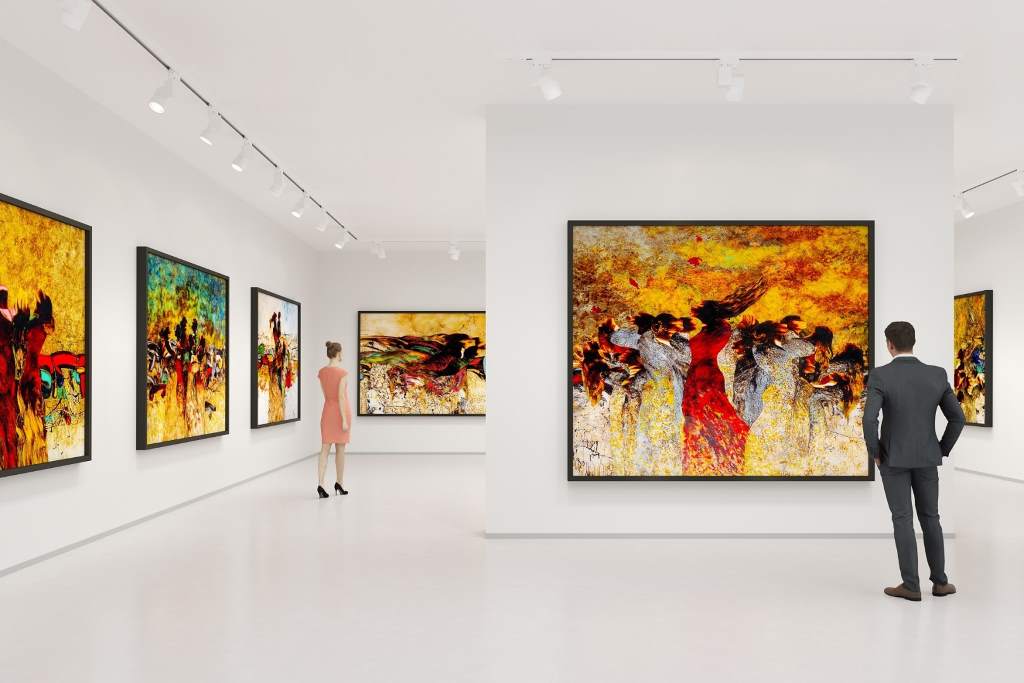
Diversification is crucial for investing in contemporary art for maximum returns. Spreading investments across styles, mediums, and artists reduces risk. For example, mix paintings, sculptures, and digital art to balance your portfolio. A 2022 Knight Frank Wealth Report found that diversified art portfolios outperformed single-artist collections by 10% over five years.
Explore different genres, such as abstract, figurative, or street art, to hedge against market shifts. Don’t put all your money into one artist, no matter how promising. I learned this when I over-invested in a single sculptor, only to see their market cool. Instead, allocate funds across established and emerging names. This approach ensures stability while allowing room for high returns from breakout artists.
Attend Art Fairs and Auctions
Art fairs and auctions are goldmines for investing in contemporary art for maximum returns. Events like Art Basel or Frieze showcase cutting-edge works and attract global collectors. They offer a chance to spot trends and network with industry insiders. In 2023, Art Basel reported $1.2 billion in sales, highlighting their financial significance.
Visit fairs to see works in person and compare prices. Auctions, whether live or online, provide opportunities to snag undervalued pieces. I once bid on a piece at a Sotheby’s online auction and secured it below market value. Research past auction results on platforms like Artnet to understand pricing. Always set a budget to avoid overspending in the heat of bidding.
Work with Art Advisors
Hiring an art advisor can boost your success in investing in contemporary art for maximum returns. Advisors offer expertise, access to exclusive deals, and market insights. They help navigate complex purchases and negotiate prices. A 2024 UBS Art Market Report showed that 60% of high-net-worth collectors used advisors to enhance returns.
Choose an advisor with a strong track record and connections in the art world. They can guide you toward undervalued artists or warn against overhyped ones. I once consulted an advisor who steered me toward a now-prominent digital artist. Ensure your advisor aligns with your goals and budget. Their knowledge can save you from costly mistakes and maximize profits.
Consider Long-Term Investment Strategies
Patience is vital for investing in contemporary art for maximum returns. Art often appreciates over years, not months. Holding pieces for 5–10 years can yield substantial gains, especially for emerging artists. For instance, Jean-Michel Basquiat’s works grew 20% annually from 1980 to 2020, per Artprice data.
Avoid flipping art for quick profits, as this can lead to losses in a volatile market. Instead, focus on artists with growing recognition. My first long-term investment was a painting I held for seven years, which doubled in value. Monitor your collection’s performance and stay informed about market shifts. Long-term strategies balance risk and reward effectively.
Leverage Online Art Platforms
Online platforms are game-changers for investing in contemporary art for maximum returns. Sites like Artsy, Saatchi Art, and Paddle8 offer access to global markets and transparent pricing. They make it easier to discover and buy works from anywhere. In 2023, online art sales reached $11 billion, per a Hiscox report, showing their growing influence.
Use these platforms to compare prices and track artist performance. Many offer data-driven insights, like sales histories or artist rankings. I bought a digital artwork online that later gained value after the artist’s gallery show. However, verify the platform’s authenticity and check seller reviews. Online tools democratize art investing, making it accessible and profitable.
Evaluate Provenance and Authenticity
Ensuring authenticity is critical when investing in contemporary art for maximum returns. Provenance, or the artwork’s ownership history, confirms its legitimacy and value. Fakes can devastate your investment. A 2023 ArtTactic study found that 25% of collectors faced authenticity issues, highlighting the need for due diligence.
Request certificates of authenticity and provenance records from sellers. Work with reputable galleries or auction houses to minimize risks. I once passed on a deal lacking clear documentation, avoiding a potential loss. Consult experts or use blockchain-based platforms like Verisart for verification. Authentic works not only protect your investment but also enhance its resale value.
Stay Updated on Art Market Trends
Keeping up with trends is essential for investing in contemporary art for maximum returns. The art world evolves rapidly, influenced by cultural shifts, technology, and collector preferences. For example, digital art and NFTs surged in 2021 but cooled by 2024, per Art Basel data. Staying informed helps you make timely decisions.
Subscribe to art magazines like Artforum or follow market reports on Artnet. Attend webinars or join collector communities on platforms like X. I learned about eco-conscious art trends through a webinar, leading to a profitable investment. Trends guide you toward high-demand works, but balance them with timeless pieces to ensure long-term gains.
Conclusion
Investing in contemporary art for maximum returns combines passion with strategic planning. By understanding the market, researching artists, and diversifying your portfolio, you can achieve significant profits. Working with advisors, attending auctions, and leveraging online platforms further enhance your success. Staying patient and informed ensures your investments grow over time. With the art market thriving, now is the perfect time to start. Apply these top tips for investing in contemporary art for maximum returns and watch your collection flourish. Share your thoughts or experiences in the comments below, or spread this guide to inspire others!
FAQs
Why is contemporary art a good investment?
Contemporary art offers high return potential due to rising demand and artist growth. Its market grew 12% annually, per Deloitte.
How do I find emerging artists?
Visit local galleries, art schools, or platforms like Saatchi Art. Look for consistent exhibitions or awards.
What are the risks of art investment?
Market volatility and authenticity issues are key risks. Research and diversification minimize potential losses.
How long should I hold art investments?
Hold pieces for 5–10 years for optimal returns, as art often appreciates slowly, per Artprice data.
Can I invest in art on a budget?
Yes, emerging artists and online platforms offer affordable options. Start small and diversify for growth.