

Your customer opens the box. The product is perfect, but then comes the pile of plastic: the mailer, the film, the fillers. As packaging sustainability analysts at Green Ideas Products //greenideasproducts.com/ point out, that is the exact moment a brand’s green promise either holds up or falls apart.
Packaging is often the first physical contact a customer has with your business, and it is also one of the most visible places where sustainability either shows or doesn’t. That is why compostable packaging has moved from a niche idea to a serious option for small shops, food businesses, and large brands alike.
But the category is full of confusing claims. “Eco-friendly //greenideasproducts.com/eco-friendly/9-eco-friendly-products/,” “biodegradable,” “plant-based,” and “compostable” are not interchangeable, and choosing the wrong material can cost you money, disappoint customers, and even create legal risk. This guide explains what compostable packaging really is, how to verify it, where it works best, and how to make the switch without damaging your product or your margins.
What Is Compostable Packaging?
Compostable packaging is made from materials that can break down into natural elements, such as water, carbon dioxide, and organic matter, within a defined timeframe under composting conditions. Unlike ordinary plastic, it should not leave behind toxic residue or visible fragments.
Common materials include:
Plant-based bioplastics such as PLA (polylactic acid), often made from corn starch or sugarcane
PBAT and similar blends used to make films flexible, like mailers and bags
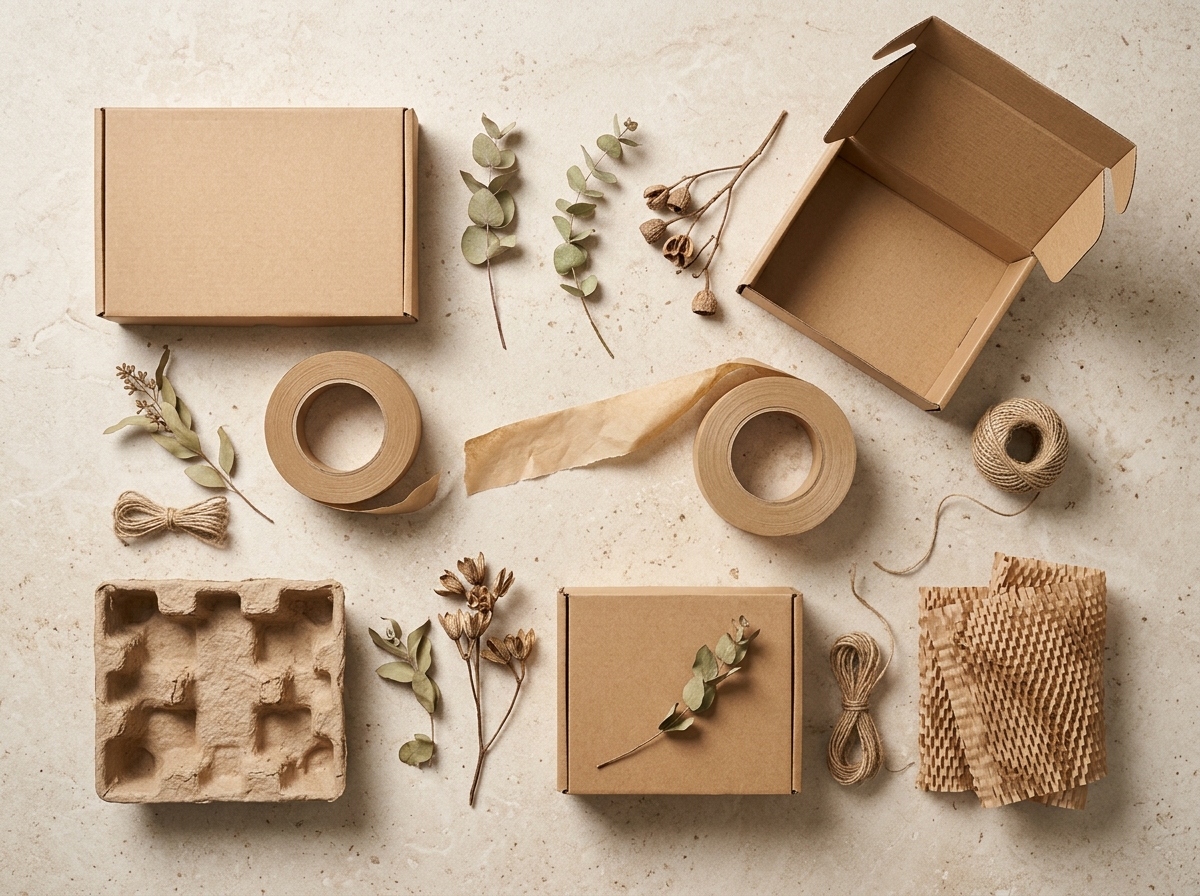
Molded fiber and bagasse, made from sugarcane waste or other plant fibers, popular for food containers
Paper and cardboard with compostable coatings or inks
Cellulose films that replace cling wrap and cellophane
Each material behaves differently. PLA is stiff and clear, which suits cups and deli containers.
Flexible PBAT blends are better for shipping bags. Molded fiber handles hot food well.
Matching the material to the job is the first step in a smart switch.
Compostable vs. Biodegradable: Why the Difference Matters
This is where many businesses get tripped up. Biodegradable simply means something will eventually break down through biological action. It has no required timeframe and no guarantee about what’s left behind. In theory, almost everything is biodegradable if you wait long enough.
Compostable is stricter. A compostable product must break down within a set period, leave no harmful residue and support plant growth in the resulting compost. That is why certification exists, and why the claim should always be backed by proof rather than a green leaf icon.
If a supplier only says “biodegradable,” ask for the standard it was tested against. If they cannot answer, move on.
Home Compostable vs. Industrial Compostable
Not all compostable packaging breaks down in the same place.
Industrial composting happens in commercial facilities that keep temperatures high and conditions controlled. Many compostable materials, including most PLA products, need this environment. Put them in a backyard bin and they may sit there for a very long time.
Home compostable packaging is designed to break down at lower temperatures in a backyard pile. It is rarer and usually thinner or more specialized, but it offers customers a much easier disposal route.
For your customers, the practical question is: where will this actually end up? If there is no industrial composting service near your buyers, an industrial-only product can end up in a landfill, where it does little good. Be honest about this on your packaging and your website.
Clear disposal instructions are part of making a genuine environmental claim.
Certifications to Look For
Third-party certification is the fastest way to separate real compostable packaging from marketing language. Depending on your market, look for:
BPI certification (United States), which verifies products against ASTM compostability standards
EN 13432 compliance (European Union) for packaging recoverable through composting
TÜV Austria OK compost marks, including OK compost HOME for home-compostable items
AS 4736 / AS 5810 (Australia) for industrial and home composting
Ask suppliers for the certificate number and check it against the certifier’s public database. A genuine product will have a verifiable record. This one habit protects you from greenwashing accusations and builds real trust with eco-conscious buyers.
Where Compostable Packaging Works Best
Compostable packaging is not the right answer for everything, but it shines in several situations:
Food service and takeaway. Food-soiled packaging is often hard to recycle, but it can go into composting streams together with leftovers. Molded fiber containers, compostable cups and bagasse plates are strong options.
E-commerce shipping. Compostable mailers can replace polybags for clothing, accessories and soft goods. They are lightweight, which helps keep shipping costs steady.
Events and catering. When waste is collected centrally, compostable serviceware keeps a large share of the trash out of landfill.
Fresh produce and bakery. Compostable films and paper bags work well for short shelf-life items.
Where it works less well: long-term storage, products needing a strong moisture or oxygen barrier for many months, and items shipped through very hot or humid conditions without testing. Always run a trial before committing.
The Real Cost of Switching
Let’s be direct. Compostable packaging often costs more per unit than conventional plastic, sometimes noticeably more at small order volumes. But the full picture is more nuanced.
Factors that raise the price: specialized raw materials, smaller production runs, certification costs and custom printing.
Factors that offset it:
Higher perceived value. Many customers are willing to pay a little more for products with sustainable packaging, and it can support premium positioning.
Brand loyalty and word of mouth. Packaging people want to photograph and share is free marketing.
Regulatory readiness. Rules on single-use plastics and extended producer responsibility are expanding in many regions. Switching early can spare you a rushed, expensive change later.
Right-sizing. Redesigning packaging to use less material often cuts costs regardless of which material you choose.
A sensible approach is to start with one product line, measure the customer response and the damage rate, then scale up.
How to Switch to Compostable Packaging Step by Step
- Audit what you use now. List every packaging item: mailers, boxes, tape, labels, inserts, fillers. Note volume and cost.
- Reduce first. The greenest package is the one you don’t use. Remove unnecessary layers and shrink oversized boxes.
- Match materials to needs. Consider moisture, weight, temperature and shelf life.
- Verify certifications. Request documentation and confirm it independently.
- Order samples and test. Ship test parcels, drop them, leave them in a warm room, and check how seals and printing hold up.
- Check local disposal options. Find out whether industrial composting is available to your customers, then write instructions that fit reality.
- Communicate clearly. Print simple disposal guidance and explain your choice on your website.
- Track results. Monitor damage rates, customer feedback and cost per order, then adjust.
Avoiding Greenwashing
Regulators in many countries are tightening rules on environmental claims, and customers are quick to call out vague promises. A few rules keep you safe:
Say exactly what the material is and how to dispose of it.
Avoid blanket phrases like “100% eco-friendly” unless you can prove them.
Don’t mix compostable and non-compostable components without saying so. A compostable bag with a plastic zipper, for example, is a partial solution.
Never imply that compostable items can be tossed anywhere. Littering is still littering.
Honesty about limits is more persuasive than perfection.
Frequently Asked Questions
Is compostable packaging better for the environment than recycling? It depends on the situation. Compostable packaging makes the most sense where materials are contaminated with food or where recycling systems are weak. For clean, rigid items such as cardboard and glass, reuse and recycling are often better. The best strategy usually combines reduced packaging, reuse, recycling and composting.
Will compostable packaging break down in a landfill? Not reliably. Landfills lack the oxygen, moisture and microbial activity composting needs, so compostable items may degrade very slowly there. Proper disposal is essential.
How long does compostable packaging take to break down? Certified industrial products typically need to disintegrate within a matter of weeks to a few months in a commercial facility, depending on the standard. Home compostable items can take longer and depend on temperature and how well the pile is managed.
Is compostable packaging safe for food? Products labeled food-contact safe and certified for that purpose are designed for it. Always confirm food-contact compliance for your region with your supplier.
Can I print my logo on compostable packaging? Yes. Use water-based or certified compostable inks so the printing does not compromise compostability.
Does compostable packaging have a shelf life? Yes. Heat, humidity and long storage can degrade some materials, so buy in sensible quantities and store them in a cool, dry place.
Is it more expensive than plastic? Usually per unit, yes, particularly in small quantities. Costs often narrow with volume, and benefits like brand value and regulatory readiness can make up part of the difference.
Take the Next Step Toward Greener Packaging
Switching to compostable packaging doesn’t have to happen overnight. Start by auditing what you use, test one certified product on a single line and be transparent with your customers about how to dispose of it.
Ready to make the change? Request samples from certified suppliers this week, run a small pilot, and share the results with your customers. Small, honest steps build a packaging strategy that protects both your products and the planet.