


The fashion industry generates over $2.5 trillion globally, with online sales accounting for nearly 30% of total revenue. Yet, despite this massive opportunity, 60% of fashion startups fail within their first year due to poor digital presence and inadequate eCommerce platforms. The difference between thriving fashion brands and those that struggle often comes down to one critical factor: partnering with the right eCommerce website development company that understands the unique needs of fashion and apparel businesses.
Why Fashion Brands Need Specialized eCommerce Development
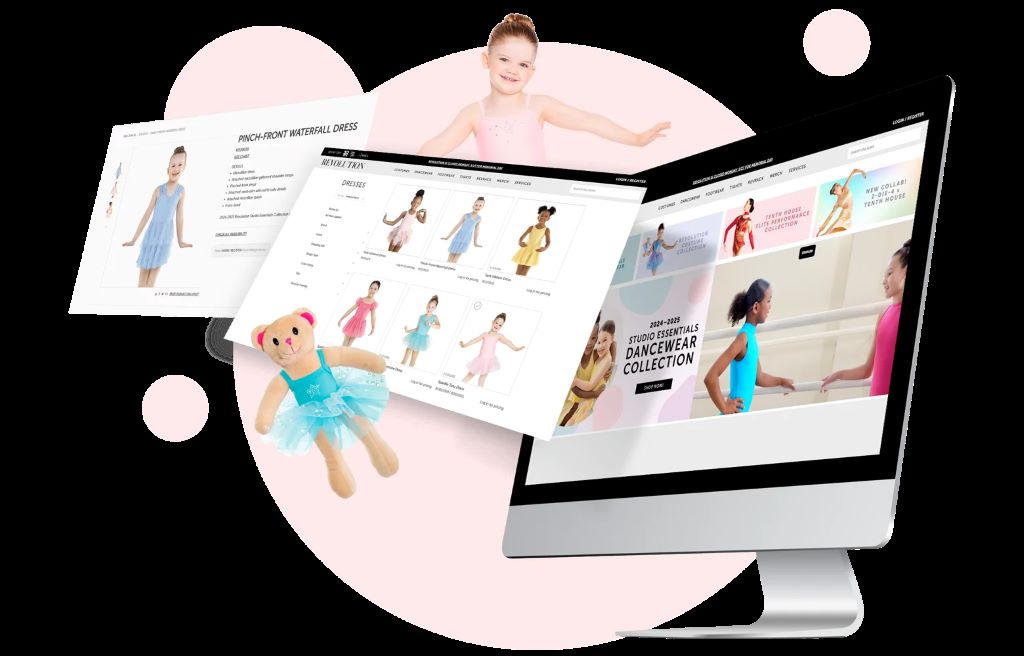
Fashion eCommerce isn’t just about selling products online – it’s about creating an immersive brand experience that translates the tactile nature of clothing into a digital environment. Unlike generic retail websites, fashion platforms must showcase products through high-quality imagery, detailed size guides, and intuitive navigation that mirrors the in-store shopping experience.
The fashion industry faces unique challenges that require specialized solutions. Customer expectations are exceptionally high, with shoppers demanding seamless mobile experiences, virtual try-on features, and personalized recommendations. Additionally, fashion brands must manage complex inventory systems with multiple sizes, colors, and seasonal collections while maintaining brand consistency across all touchpoints.
Key Features Every Fashion eCommerce Website Needs
Advanced Product Visualization
Modern fashion websites require sophisticated product presentation capabilities. This includes 360-degree product views, zoom functionality, and multiple high-resolution images showing different angles and styling options. Many successful fashion brands now incorporate augmented reality features that allow customers to virtually try on items or see how clothing fits different body types.
Comprehensive Size and Fit Solutions
Size-related returns cost fashion retailers billions annually. Professional eCommerce development companies integrate advanced sizing tools, including detailed size charts, fit predictors, and customer review systems that provide insights into how items actually fit. Some platforms even offer virtual fitting rooms using customer measurements and AI-powered recommendations.
Mobile-First Design Approach
With over 70% of fashion purchases now initiated on mobile devices, responsive design isn’t optional – it’s essential. Fashion eCommerce platforms must deliver flawless experiences across all devices, with fast loading times, intuitive navigation, and simplified checkout processes optimized for mobile users.
Inventory Management Integration
Fashion brands deal with complex inventory scenarios involving multiple variants, seasonal collections, and limited-edition releases. Effective eCommerce platforms integrate with inventory management systems to provide real-time stock updates, automated reorder alerts, and seamless handling of pre-orders and backorders.
Choosing the Right eCommerce Platform for Fashion Brands
Shopify Plus for Fashion
Shopify Plus dominates the fashion eCommerce space, powering brands like Gymshark, Allbirds, and Fashion Nova. Its fashion-specific features include advanced product variants, sophisticated inventory management, and seamless integration with fashion industry tools. The platform’s app ecosystem offers specialized solutions for size guides, product reviews, and loyalty programs tailored to fashion retailers.
Custom Development Solutions
Many established fashion brands require custom eCommerce solutions that provide complete control over user experience and functionality. Custom development allows for unique brand experiences, specialized features like virtual styling consultations, and integration with existing enterprise systems.
Headless Commerce Architecture
Progressive fashion brands are adopting headless commerce solutions that separate frontend presentation from backend functionality. This approach enables faster page loads, enhanced mobile experiences, and the flexibility to create unique customer touchpoints across multiple channels.
Essential Integrations for Fashion eCommerce Success
Payment Gateway Optimization
Fashion customers expect diverse payment options, including digital wallets, buy-now-pay-later services, and international payment methods. Professional development companies ensure seamless integration with payment processors while maintaining PCI compliance and fraud protection.
Shipping and Logistics Solutions
Fashion brands require sophisticated shipping solutions that handle various product types, international shipping, and return management. Integration with logistics providers enables real-time shipping calculations, tracking capabilities, and automated return processing.
Customer Service Tools
Fashion customers frequently require sizing assistance, styling advice, and product information. Effective eCommerce platforms integrate live chat systems, customer service portals, and knowledge bases that provide immediate support during the shopping process.
SEO and Digital Marketing for Fashion Websites
Fashion-Specific SEO Strategies
Fashion eCommerce SEO requires understanding seasonal trends, fashion terminology, and visual search optimization. Professional development companies implement structured data markup for fashion products, optimize for local fashion searches, and create content strategies that align with fashion industry trends.
Read Also: From Stamps to Sneakers: Collectible Investing Guide
Social Media Integration
Fashion brands thrive on social media engagement, making integration with platforms like Instagram, TikTok, and Pinterest essential. Modern eCommerce solutions include social login options, user-generated content galleries, and seamless social sharing capabilities.
Email Marketing Automation
Fashion brands benefit from sophisticated email marketing campaigns that showcase new collections, provide styling tips, and offer personalized recommendations. Integration with email marketing platforms enables automated campaigns based on customer behavior and purchase history.
Performance Optimization for Fashion Websites
Image Optimization Techniques
Fashion websites contain numerous high-resolution images that can impact loading speeds. Professional development companies implement advanced image optimization techniques, including lazy loading, progressive image enhancement, and content delivery networks that ensure fast loading times without compromising visual quality.
Site Speed and Core Web Vitals
Google’s Core Web Vitals significantly impact search rankings and user experience. Fashion eCommerce platforms must achieve optimal loading speeds, interactivity scores, and visual stability metrics to maintain competitive search positions and provide excellent user experiences.
Security and Compliance for Fashion eCommerce
Data Protection Requirements
Fashion brands collect sensitive customer information, including personal measurements, style preferences, and payment details. Professional eCommerce development ensures compliance with data protection regulations like GDPR and CCPA while implementing robust security measures to protect customer information.
PCI Compliance Standards
Payment security is paramount for fashion eCommerce success. Development companies ensure full PCI compliance, implement secure payment processing, and maintain regular security audits to protect against fraud and data breaches.
Future Trends in Fashion eCommerce Development
Artificial Intelligence Integration
AI-powered features are becoming standard in fashion eCommerce, including personalized product recommendations, virtual styling assistants, and predictive analytics for inventory management. Forward-thinking development companies incorporate AI solutions that enhance customer experiences and improve operational efficiency.
Sustainability Features
Modern consumers increasingly prioritize sustainable fashion choices. eCommerce platforms now include sustainability tracking, eco-friendly packaging options, and features that highlight ethical production practices and environmental impact.
Frequently Asked Questions
Q: How much does it cost to develop a fashion eCommerce website?
A: Fashion eCommerce development costs vary significantly based on complexity, features, and customization requirements. Basic Shopify implementations start around $15,000, while custom enterprise solutions can range from $50,000 to $500,000 or more, depending on specific requirements and integrations.
Q: How long does it take to build a fashion eCommerce website?
A: Timeline depends on project scope and complexity. Simple Shopify stores can be launched in 6-12 weeks, while custom solutions typically require 4-12 months for development, testing, and deployment.
Q: What makes fashion eCommerce different from other retail websites?
A: Fashion eCommerce requires specialized features like advanced product visualization, size guides, style recommendations, and seasonal inventory management. The visual nature of fashion products demands high-quality imagery and sophisticated presentation capabilities.
Q: Do I need a mobile app for my fashion brand?
A: While not always necessary, mobile apps can enhance customer engagement for established fashion brands. The decision depends on your customer base, marketing strategy, and available resources for app development and maintenance.
Q: How important is social media integration for fashion websites?
A: Social media integration is crucial for fashion brands, as visual platforms like Instagram and TikTok drive significant traffic and sales. Integration enables social login, user-generated content, and seamless social sharing capabilities.
Transform Your Fashion Brand’s Digital Presence Today
The fashion industry’s digital transformation continues accelerating, and brands that invest in professional eCommerce development gain significant competitive advantages. From enhanced customer experiences to streamlined operations, the right development partner can transform your fashion brand’s online presence and drive sustainable growth.
Don’t let your fashion brand fall behind in the digital marketplace. Partner with experienced eCommerce developers who understand the unique challenges and opportunities in fashion retail. Contact our team today to discuss your project requirements and discover how we can help you create a compelling online presence that converts browsers into loyal customers and drives long-term success for your fashion brand.