


A comfortable century ride and a fast Tuesday-night criterium have almost nothing in common—yet plenty of riders show up to both with the same setup. The result is predictable: numb hands on long distances, sweaty palms in the heat, and gear that never quite feels right. Most cycling gear guides lump everything together, but what you actually need changes dramatically depending on whether you’re commuting, climbing, racing, or rolling on gravel. Even small items make a difference—many riders overlook recommended cycling gloves on OutdoorXSports when building their kit, despite gloves being one of the cheapest ways to fix hand discomfort. This guide breaks down gear choices by ride type so you can stop guessing and start riding.
Quick Answer
Choose cycling gear based on three ride variables: duration, terrain, and intensity. Short commutes need breathable basics and visibility. Long road rides prioritize padding, moisture management, and storage. Gravel and mountain biking call for durability, grip, and protection. Racing favors lightweight, aerodynamic, and snug-fitting gear. Match each item—helmet, gloves, shorts, layers—to how long you’ll ride and what surface you’ll ride on, not to what looks fastest on a shop shelf.
Key Takeaways
- Duration and terrain matter more than brand or price when selecting gear for a specific ride type.
- Gloves are the most overlooked item: padding, fit, and breathability should match ride length and temperature.
- Chamois (padding) thickness in shorts should scale with time in the saddle, not with how serious you want to look.
- Layering systems beat single heavy garments because conditions change mid-ride.
- Commuting and casual riding prioritize visibility and comfort; performance riding prioritizes weight, fit, and aerodynamics.
Start With Ride Duration, Not Ride Style
The single most useful filter for gear decisions is how long you’ll be on the bike. A 20-minute commute and a five-hour endurance ride place completely different demands on your body and your equipment, even if both happen on the same bike.
Rides under 45 minutes generally don’t require specialized padding, extensive storage, or elaborate layering. Breathability, visibility, and freedom of movement matter most. Once rides stretch past 90 minutes, pressure points, moisture buildup, and nutrition access become real problems that gear either solves or worsens.
A practical way to think about it:
- Under 45 minutes: Comfort and visibility. Minimal padding, light fabrics.
- 45 minutes to 2 hours: Moderate padding, one or two layers, basic storage.
- 2 to 4 hours: Proper chamois, multiple storage options, sun and temperature protection.
- 4+ hours: Every detail matters—chamois quality, glove padding, layer flexibility, and nutrition access.
This framework prevents two common mistakes: over-gearing for short rides (unnecessary bulk and heat) and under-gearing for long ones (chafing, numb hands, bonking).
How Should Gloves Change by Ride Type?
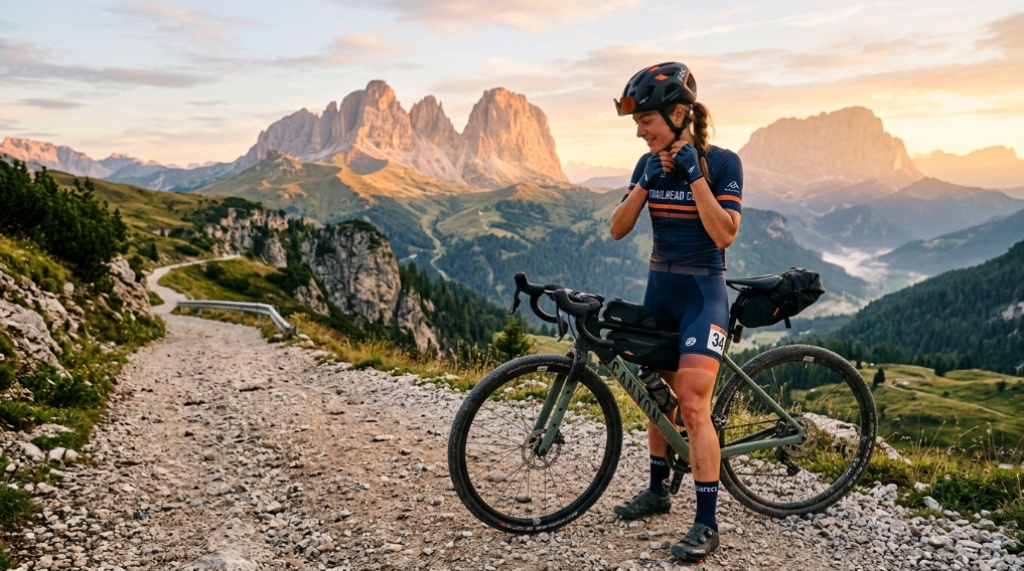
Gloves are where most riders make their first gear mistake—usually by owning one pair and using it for everything. The right glove depends on ride length, weather, and how much grip feedback you need.
Short commutes and errands: Minimal or no padding works well. You want breathability, a secure grip on the bars, and often touchscreen compatibility for phone use at stops. Full-finger options add protection in traffic without much heat penalty.
Long road rides: Padding becomes important because your hands support a meaningful share of your body weight for hours. Gel or foam padding in the palm reduces pressure on the ulnar nerve, which is the usual cause of numbness and tingling. Fit matters as much as padding—a glove that bunches at the palm creates its own pressure points.
Gravel and mountain biking: Durability and grip take priority. Full-finger gloves protect against brush, rocks, and branches, and silicone or rubberized palms maintain control on rough surfaces. Padding is usually moderate because you’re changing hand positions frequently.
Hot-weather riding: Look for mesh backs, moisture-wicking palms, and minimal padding. Sweat-soaked gloves lose grip and cause slipping, so ventilation matters more than cushioning in extreme heat.
One detail many riders miss: glove fit should be snug but not tight. If the seams press into your palm or the fingers bunch at the tips, the glove will cause problems on any ride longer than an hour, regardless of how much padding it has.
Shorts and Chamois: Match Padding to Saddle Time
Chamois thickness should increase with ride duration—but only up to a point. More padding isn’t automatically better, especially for riders who move around on the saddle.
| Ride Type | Chamois Thickness | Key Consideration |
|---|---|---|
| Commute (under 45 min) | Minimal or none | Breathability, quick drying |
| Recreational road (1–2 hrs) | Light to moderate | Comfort without bulk |
| Endurance road (3+ hrs) | Moderate to high density | Pressure distribution, anti-chafe |
| Gravel and MTB | Moderate, durable | Movement freedom, abrasion resistance |
| Racing | Light, form-fitting | Minimal interference, low weight |
Note that thickness and density are different things. A dense, thinner chamois often outperforms a thick, soft one on long rides because it distributes pressure without shifting. If you ride more than three hours regularly, invest in a high-density chamois rather than a bulky one.
Bib shorts versus regular shorts is another decision point. Bibs stay in place better during long rides and prevent the waistband from digging in, but regular shorts are easier for commuting and quick changes. Neither is universally better—it depends on how long you’ll be riding and where you’ll be when you finish.
Layering: The Most Adaptable Part of Your Kit
Weather changes. Body temperature changes. A single heavy jacket can’t handle both a cool morning start and a warm afternoon finish—but a three-piece layering system can.
The standard approach works well for most ride types:
- Base layer: Moisture-wicking fabric against the skin. Merino wool for cooler rides, synthetic mesh for hot ones.
- Mid layer: Insulation when needed. A light vest or long-sleeve jersey covers most temperature ranges.
- Outer layer: Wind and water protection. A packable jacket handles unexpected rain or descents.
For commuting, a single water-resistant jacket with reflective elements often replaces the full system. For long road rides and gravel events, packable layers that stuff into a jersey pocket are worth the investment because conditions on a four-hour ride rarely stay constant.
A common mistake: wearing a waterproof outer layer during hard efforts. Waterproof fabric traps heat and sweat, so unless it’s actually raining, a windproof but breathable layer is usually the better choice.
Helmets, Eyewear, and Visibility Gear
Helmet choice follows a similar logic to other gear—match it to ride conditions rather than buying the most expensive option.
Commuting: Prioritize visibility and ventilation. Integrated lights, reflective elements, and lighter colors help drivers see you. Weight is less important because you’re not holding your head in an aggressive position for hours.
Road riding: Ventilation and weight matter more. Aerodynamic helmets save a small but measurable amount of energy over long distances, though the difference is negligible for recreational riders.
Gravel and mountain biking: Extended coverage at the back of the head and around the temples provides protection against low branches and crashes. Visor compatibility helps with sun and debris.
Eyewear should match light conditions. Photochromic lenses adapt to changing light, which is useful for rides that start in low light and finish in bright sun. For mountain biking, impact resistance and full coverage matter more than tint options, If you are balancing your cycling hobby with building a business, make sure to read up on Common Entrepreneurial Mistakes and How to Avoid Them to protect your ventures.
Bike-Specific Gear: Road vs Gravel vs Commuter
Some gear decisions depend entirely on the bike and surface, not just ride length.
Road bikes generally use narrow saddles, clipless pedals with minimal float options, and gear optimized for aerodynamics. Storage is limited to jersey pockets and small saddle bags.
Gravel bikes benefit from wider saddles, tires with more volume and tread, and bags that mount to the frame rather than the body. Gloves need better grip for loose surfaces, and shoes often trade stiffness for walkability.
Commuter and hybrid bikes favor flat pedals, upright handlebars, and gear that works in street clothes. Panniers or racks replace backpacks, and visibility gear becomes a year-round necessity rather than a seasonal add-on.
The trade-off is usually weight versus versatility. Gravel gear tends to be heavier but handles more situations. Road gear is lighter but less forgiving on rough surfaces. Choose based on the rides you actually do, not the rides you imagine doing.
Frequently Asked Questions
Do I need different gloves for different types of rides?
Yes, in most cases. Short commutes work fine with minimal padding and high breathability, while long road rides benefit from gel or foam padding to reduce nerve pressure. Gravel and mountain biking call for full-finger gloves with durable palms and better grip. Owning two pairs—one light, one padded—covers most riding situations.
How much should I spend on cycling shorts?
Spending more generally buys better chamois density, seam construction, and fabric quality, which matter most on rides over two hours. For short commutes under 45 minutes, inexpensive shorts are usually fine. The key is matching padding density to saddle time rather than paying for features you won’t use.
Is aerodynamic gear worth it for recreational riders?
For most recreational riders, comfort and fit matter more than aerodynamics. Aero helmets and skin suits provide measurable gains at racing speeds, but at casual paces the benefit is small. Invest in fit and padding first, then consider aerodynamic upgrades if you start riding competitively.
Can I use the same helmet for road and mountain biking?
You can, but dedicated mountain bike helmets offer more rear and side coverage, which matters on trails with low branches and technical terrain. Road helmets prioritize ventilation and aerodynamics. If you ride both disciplines regularly, two helmets is the safer choice.
What’s the most overlooked piece of cycling gear?
Gloves. Many riders treat them as optional or buy one pair for all conditions. In reality, gloves affect comfort, grip, and control more than most riders expect, especially on rides longer than an hour. Getting the padding and fit right is one of the cheapest upgrades available.
How do I decide between bib shorts and regular cycling shorts?
Bib shorts stay in place better and prevent waistband pressure, which makes them ideal for long rides. Regular shorts are easier to change out of and work better for commuting or short rides. If you ride more than two hours regularly, bibs are usually the more comfortable option.
Conclusion
Choosing cycling gear comes down to three questions: How long will I ride, what surface will I ride on, and what conditions will I face? Answer those honestly and most gear decisions become straightforward. Prioritize comfort and fit for long rides, durability and grip for rough terrain, and visibility for commuting. Start with the items that contact your body directly—gloves, shorts, and shoes—because those have the biggest effect on how a ride feels. Upgrade other gear as your riding habits become clearer.