
Funding a startup without outside investors may seem daunting, but thousands of successful entrepreneurs have done just that. Bootstrap finance — the practice of funding your business using personal resources or revenue — allows you to retain full ownership, stay lean, and grow on your own terms.
What is Bootstrap Finance?
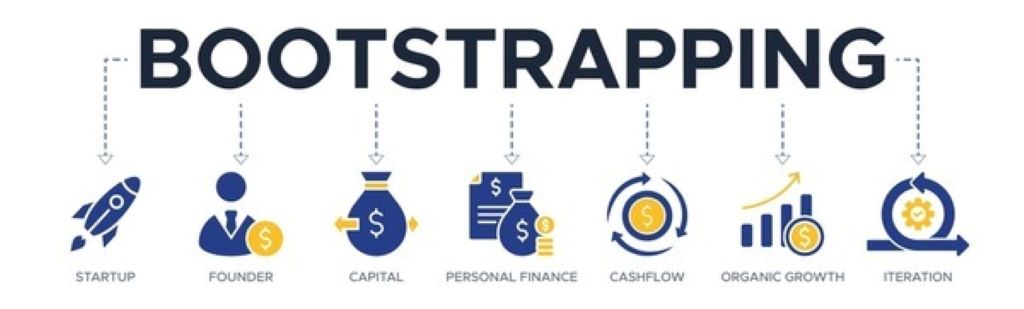
Bootstrap finance refers to launching and growing a business without raising money from venture capitalists or angel investors. Instead, entrepreneurs rely on personal savings, revenue from early sales, and creative cost-saving strategies to finance operations.
This approach may require more discipline and creativity, but it also grants complete control. In an era where equity dilution and investor pressure are common, bootstrapping offers a liberating alternative.
Why Bootstrap Your Startup?
Bootstrapping is more than a funding method — it’s a mindset. By managing with limited resources, founders learn to innovate, prioritize essentials, and build customer-centric solutions. According to the Kauffman Foundation, over 80% of startups begin with personal funds or support from family and friends.
Founders like Mailchimp’s Ben Chestnut and Spanx’s Sara Blakely bootstrapped their way to billion-dollar empires. They didn’t rely on investors — they focused on delivering unmatched value and used early revenue to fund growth. These stories demonstrate that with grit and a clear vision, bootstrap finance can be a winning strategy.
Expert Tips to Bootstrap Your Startup
-
Start Lean and Stay Lean
Skip the expensive office space and flashy branding. Use coworking spaces, freelance platforms, and open-source software to cut costs. Focus on your minimum viable product (MVP). Building only what’s necessary allows you to test quickly and iterate based on real feedback.
-
Turn Customers Into Your First Investors
Generate cash flow early by pre-selling products or offering paid beta access. This not only validates demand but also helps fund product development. Tools like Kickstarter and Gumroad make it easier to collect early payments from customers without giving up equity.
-
Outsource Strategically
Hiring full-time staff early can drain resources. Instead, outsource tasks like graphic design, customer support, and development through platforms like Upwork or Fiverr. Focus internal resources on core competencies.
-
Leverage Your Skills and Network
Your expertise is your currency. Offer consulting services while building your product, or trade skills with other professionals to get what you need. Founders often undervalue the power of their personal networks — tap into them for free advice, referrals, and even joint ventures.
-
Use Revenue as Fuel
Reinvest every dollar earned back into your business. Avoid the temptation to draw a salary in the early stages. This helps your startup stay cash-positive and organically fuels growth.
-
Negotiate Everything
From software subscriptions to supplier contracts, negotiate better terms. Don’t accept listed prices. Many companies offer startup discounts or deferred payment options.
Pros and Cons of Bootstrap Finance
Every path has trade-offs. Understanding the risks and rewards helps you make better decisions.
Pros:
- Full Ownership: No equity dilution means you keep full control and future profits.
- Creative Freedom: You’re free to follow your vision without investor influence.
- Financial Discipline: You learn to manage cash efficiently and make smarter decisions.
Cons:
- Limited Capital: Growth may be slower without investor funds.
- Higher Risk: Your personal finances are at stake.
- Scaling Challenges: Expansion may be difficult without access to large capital injections.
However, many founders view these constraints as features, not flaws. They encourage focus, innovation, and long-term thinking — traits often lost in VC-backed startups chasing rapid growth.
Real-World Bootstrap Success Stories
- Mailchimp: Started as a side project, it was bootstrapped for 17 years before generating over $700 million in annual revenue. The company was later acquired by Intuit for $12 billion.
- Basecamp: Jason Fried and David Heinemeier Hansson famously turned down VC offers. Instead, they built a highly profitable software company with millions of loyal users.
- Patagonia: Founder Yvon Chouinard rejected outside investors to retain brand integrity. The company has grown organically and remains a privately held B Corp.
These companies prove that bootstrapping is not just a fallback plan — it can be a superior strategy.
Featured Snippet: Can You Start a Business Without Any Investors?
Absolutely. You can start and grow a successful business without investors by using bootstrap finance strategies. Begin with minimal viable offerings, focus on early cash flow, and reinvest profits. Leverage affordable tools, outsource tasks, and build strong customer relationships. For instance, companies like Mailchimp and Basecamp reached global success without outside funding. Bootstrapping promotes financial discipline, customer validation, and long-term sustainability. It’s not about lack of resources — it’s about resourcefulness.
Frequently Asked Questions
- What is the first step to bootstrap a startup?
Start by validating your idea with minimal resources. Build an MVP, test with users, and use feedback to improve. - Can I bootstrap if I don’t have savings?
Yes. Offer services related to your product, pre-sell your product, or use side gigs to fund your startup. - How long should I bootstrap before seeking investment?
There’s no fixed timeline. Bootstrap as long as you can grow sustainably and control the business direction. - What industries are best for bootstrapping?
Tech, eCommerce, online education, and service-based businesses are ideal due to low overhead and scalable models. - How do I manage cash flow when bootstrapping?
Track every expense. Use tools like QuickBooks or Wave. Always maintain a cash buffer and prioritize revenue-generating tasks. - Should I pay myself when bootstrapping?
Initially, it’s wise to delay drawing a salary. Reinvest profits into growth until the business is stable. - Is bootstrapping slower than raising VC?
Yes, but it often leads to more sustainable, customer-driven growth and reduces dependency on external capital.
Final Thought: Bootstrap Smarter, Not Harder
Bootstrap finance isn’t just about cutting costs — it’s about building a business that matters. Startups that thrive without investors often have one thing in common: relentless focus on delivering value. Without the distraction of pitching to VCs, you stay close to customers and iterate based on real-world insights.
In a landscape obsessed with funding rounds and unicorn valuations, bootstrapping might seem unconventional. But for founders willing to think long-term, stay lean, and hustle smart, it’s one of the most empowering paths to success.
Read More: How to Bootstrap Your Startup and Still Grow Fast
References & Further Reading